

Locker Organization Newsletter: Practical Tips Middle School Families Can Act On
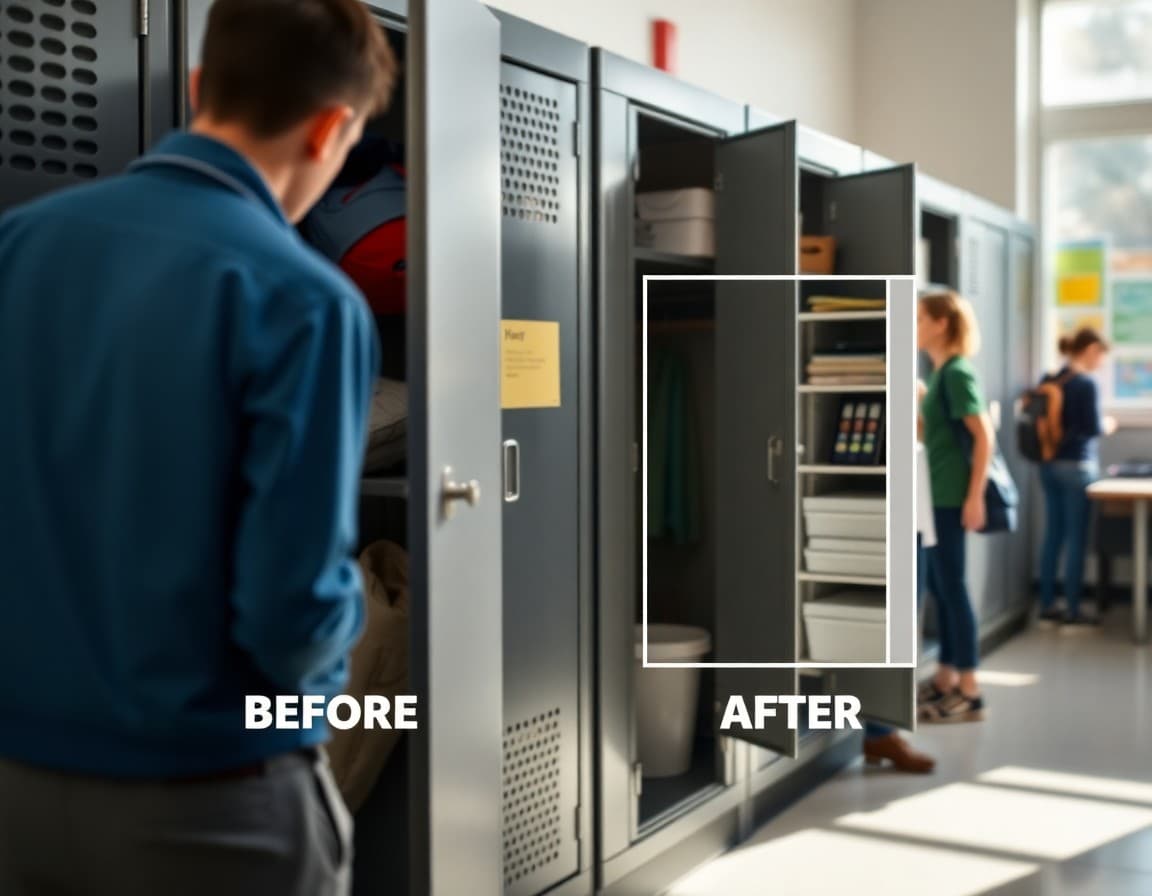
The locker is the first organizational system a middle schooler manages independently. In elementary school, everything lived in one desk or one cubby. Middle school introduces four to six classes, multiple sets of materials, and the locker as the daily logistics hub for all of it. Students who enter with no organizational system develop one by trial and error over the first months of school. Students who arrive with a system they practiced at home are managing their materials well from week one. The newsletter is the bridge between the school's expectations and the family preparation that makes the transition smoother.
Why the Locker Matters More Than It Seems
A messy locker is not just disorganization. It is a daily source of lateness, lost work, and stress. A student who spends three minutes at the locker between every class, searching for the right binder, is late twice before lunch. A student who shoves homework into any available space often cannot find it when the assignment is due, creating the false impression that work was not completed when it was. A student who starts each school day by failing to open their lock on the first try begins the day with a small public failure. None of these consequences are about ability or effort. They are about organizational system. A newsletter that helps families address the locker system before problems develop is more useful than waiting for report cards to flag the consequences.
The Most Reliable Locker System for Middle Schoolers
The simplest locker system is organized by class schedule order. If the day runs math, science, English, social studies, math again, then the binders and books should be stacked from bottom to top in that order. The student removes and replaces materials in the same predictable sequence every day. Frequently accessed items, like the combination lock storage for gym class, go at eye level. Materials used less frequently, like the art portfolio, go at the bottom. A small magnetic whiteboard on the inside of the door holds today's reminders in a visible spot. This system requires setup time once and almost no daily decision-making, which is exactly right for a brain that already has more decisions than it comfortably handles during a middle school day.
The Combination Lock Practice Problem
Students who have never used a combination lock before school starts often spend an embarrassingly long time at their locker in the first week while classmates wait. This problem is completely preventable. If the school assigns locker combinations before school starts, ask families to practice the combination at home daily for the two weeks before orientation. Twenty to thirty practice repetitions produces reliable speed and muscle memory. A student who can open their lock without looking at the numbers is well ahead of a student who opens it on the first school morning. If combinations are not distributed until orientation, practice any combination lock at home to develop the general dexterity the mechanism requires.
The First-Week Locker Check
Even students who set up a good locker system on day one usually need a reset by week three. Papers accumulate. Materials migrate to the wrong shelf. The system starts to break down. Suggest a weekly locker review for the first six weeks of school: does the student have all the materials they need for tomorrow's classes? Is anything in the locker that should have gone home? Are binders in the right order? A five-minute locker review done as part of the end-of-day routine prevents the accumulation problem that causes most locker chaos. Families can reinforce this by asking their student about the locker weekly and checking in when they pick up at school.
Tools That Help and Tools That Do Not
A few locker accessories genuinely improve function. A magnetic hook for a reusable water bottle frees up shelf space. A small mirror is useful for schools where students change for PE. A narrow shelf insert creates an additional level in a tall locker. What does not help: elaborate decorations that take up space and require maintenance, magazine holders that collapse under the weight of textbooks, and carpeted floors that are difficult to clean when something spills. Recommend tools based on what you have seen work in your classroom, not based on what looks appealing in a back-to-school display.
When the Locker System Has Already Broken Down
Some families will read the locker newsletter after the first month when the chaos has already arrived. Give families a recovery plan: a Saturday morning locker cleanout, sorting materials into take-home and keep-at-school piles, setting up the recommended system from scratch, and committing to the weekly review going forward. The cleanout takes about twenty minutes. The reset almost always improves the student's daily experience immediately. Framing the reset as a fresh start rather than a failure removes the shame that sometimes prevents students from asking for help with organizational systems that have gotten away from them.
Get one newsletter idea every week.
Free. For teachers. No spam.
Frequently asked questions
Why do middle school teachers send newsletters about locker organization?
A chaotic locker is not just a mess. It causes students to be late to class while they search for materials, to lose assignments that were submitted but not recorded properly, to forget materials they need for class, and to start each morning with a small stressor that adds to the general anxiety of middle school transitions. When the locker is organized by a system rather than by chance, these problems largely disappear. Teachers who send locker organization newsletters are addressing a root cause of several common middle school problems simultaneously.
What locker organization system should teachers recommend?
The most reliable system for middle schoolers is simple and consistent: books and binders organized by class in the order of the daily schedule, with frequently used items at eye level and less frequent items above or below. A small whiteboard or sticky note on the inside of the locker door for daily reminders. A separate small bag or hook for any PE or art supplies that do not need to be accessed from the main locker space. The best system is the one the student will actually maintain, so simple beats elaborate.
How can families support locker organization at home?
Practice the combination lock at home before school starts. Help your student set up the locker on orientation day or the first day of school using the recommended system. Do a locker check-in with your student every two to three weeks in the first month of school to help them reset before the organization deteriorates. Ask your student once a week: did you forget any materials in your locker today? That question without judgment surfaces problems early before they become a pattern.
How long does it take students to learn their locker combination?
Most students can open a combination lock reliably after twenty to thirty practice attempts. For students who have never used a combination lock before, practicing at home before orientation day makes a big difference. If a student arrives at school on orientation day and cannot open their lock, they experience the first day with a small failure in front of peers. Two weeks of practice at home eliminates that risk. Many schools assign the combination in advance so families can help their student practice over the summer.
How does Daystage make it easy for teachers to send practical back-to-school newsletters?
Daystage lets teachers include structured content blocks with lists, tips, and visual guides in their newsletter. A locker organization newsletter with a numbered step-by-step guide and a photo of an organized locker setup is straightforward to build in Daystage's editor. The newsletter arrives in family inboxes before school starts, which is exactly when families need this information to help their student prepare.

Adi Ackerman
Author
Adi Ackerman is a former classroom teacher and curriculum writer with 8 years in K-8 schools. She writes about school communication, parent engagement, and what actually works in real classrooms.
More for Middle School
Binder System Newsletter: Teaching Families How Middle Schoolers Manage Their Materials
Middle School · 6 min read
Agenda Planner Newsletter: Getting Middle Schoolers to Actually Use Their Planner
Middle School · 6 min read
Middle School Orientation Day Newsletter: What Families Need Before the First Day
Middle School · 6 min read
Ready to send your first newsletter?
3 newsletters free. No credit card. First one ready in under 5 minutes.
Get started free