

Binder System Newsletter: Teaching Families How Middle Schoolers Manage Their Materials
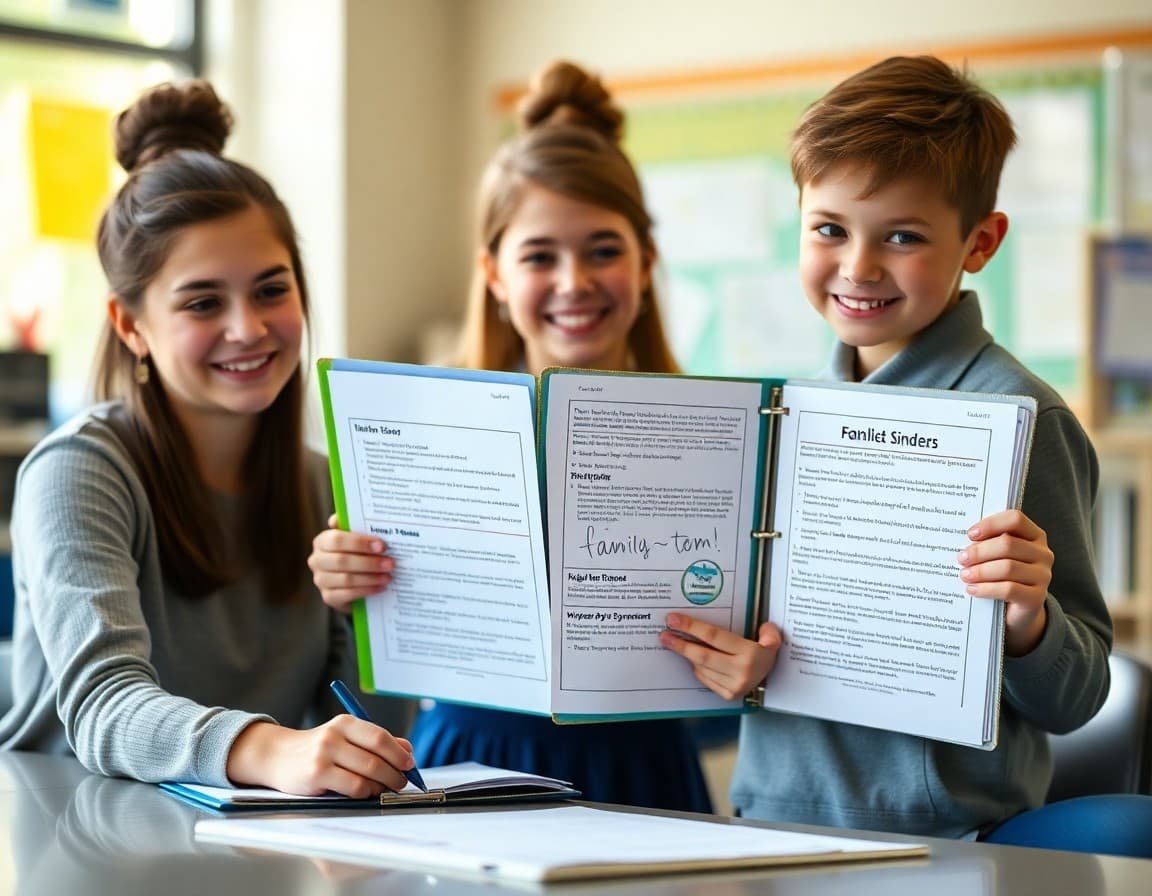
The binder system is one of those school infrastructure elements that functions invisibly when it works and causes visible problems when it does not. A student with a well-organized binder can find last week's notes in thirty seconds. A student with a chaotic binder loses assignments, studies from the wrong materials, and starts each homework session by searching rather than working. Teaching the binder system explicitly and communicating it clearly to families produces better outcomes than assuming organizational skills arrive naturally.
Why Binder Systems Need to Be Taught
Middle schoolers are managing multiple classes, multiple sets of materials, and multiple teachers' expectations simultaneously for the first time. Without a deliberate system, papers end up in the wrong binder, assignments get buried under class notes, and the whole structure collapses by October. Students who come from elementary schools with strong organizational instruction arrive with better habits. Students who did not get that instruction arrive with none. A teacher who teaches the binder system explicitly at the start of the year closes that gap so that organizational skill does not become an unintended barrier to academic performance.
The Required Binder Structure
Be specific in the newsletter about what sections the binder requires and what belongs in each. Required sections in many middle school classrooms: a front pocket for the day's to-do list or planner page, a class notes section, a handouts and reference materials section, a completed assignments section, and a graded and returned work section. Papers should be dated in the upper right corner before filing. Class notes should always go in the notes section on the day they are taken. Graded work should move to the graded section immediately upon return. These specific rules make the system clear enough that students can maintain it independently once it is established.
The Binder Check and What It Assesses
If you conduct binder checks as a grade component, describe the assessment in the newsletter so families and students understand what is being evaluated. A complete binder check typically looks for: all required sections present and labeled, papers organized by date within each section, all handouts received since the last check present in the handouts section, and a current to-do list or planner page in the front pocket. Sharing this specific rubric in the newsletter allows families to do a preview check with their student before the official assessment and catch organizational gaps that are easy to fix in advance but embarrassing to discover during the class check.
Color Coding as a Memory Aid
Many middle school teachers recommend color coding as a layer on top of the tab system. Assign a color to each class: blue for math, red for science, green for English, yellow for social studies. The binder tabs match the colors. The folder for homework in each class matches the color. The planner uses color-coded ink for assignments in each class. Students who use color coding report that it significantly reduces the mental work of finding materials because visual recognition is faster than reading tabs. If your classroom uses color coding, specify the colors in the newsletter and the supply list so families purchase the right materials.
The At-Home Binder Review Routine
Suggest a weekly at-home binder review as part of the homework routine. Ten minutes on Sunday evening: are all papers from last week filed correctly? Are there any loose papers in the backpack that need to be hole-punched and filed? Is the planner up to date for the coming week? Is any homework from last week still showing as incomplete that should have been turned in? This review catches organizational problems before they compound over multiple weeks. Families who build this routine into the weekend schedule report significantly fewer “I can't find my assignment” problems during the week.
When the Binder System Has Already Failed
Some students will hit the point where the binder is such a mess that individual filing is impossible without a full reset. Tell families what a binder reset looks like. Remove everything from the binder. Sort papers by class. File chronologically within each class section. Throw away anything clearly outdated that does not need to be kept. Replace loose papers in backpack pockets. Set up the color-coded system if it was never fully implemented. A Saturday morning reset takes about thirty minutes and produces a working binder that is much easier to maintain in the weeks that follow. The reset is not a sign of failure. It is normal maintenance for any organizational system under daily use.
Get one newsletter idea every week.
Free. For teachers. No spam.
Frequently asked questions
What should a binder system newsletter explain to families?
Explain exactly how the teacher expects the binder to be organized: required sections, what goes in each section, how papers should be dated and labeled, what gets hole-punched versus kept in a folder pocket. Describe when the teacher will check binders and what a complete, organized binder looks like for the assessment. Include the supply list for the binder setup so families can purchase what is needed. Tell families how they can support the system at home without taking over the organizational process from their student.
Should every class have a separate binder or one shared binder?
Both systems work. Separate binders for each class are easier to maintain because there is no risk of misplacing papers between subjects, but they add weight and bulk to the backpack. A single large binder with tabbed sections for each class is lighter but requires more discipline to maintain as the year progresses. Most middle school teachers have a preference and the newsletter should state it clearly rather than leaving families to guess. Consistency within the class is more important than which approach is chosen.
How do you do a binder check without shaming students?
Frame binder checks as a tool for the student rather than a judgment of the student. 'We are checking binders today to help everyone identify what they have and what they are missing. This is a chance to catch any organizational gaps before they become a problem.' Allow time in class for students to organize before the check rather than making it a surprise inspection. Give students who score poorly a specific action plan: here is what you need to add, here is when you can come in to get the missing materials. The goal is a functional organizational system, not a grade that punishes disorganization.
How can families do a binder review at home without micromanaging their student?
Ask your student to show you their binder rather than inspecting it yourself. Ask: are all your papers hole-punched and filed? Do you know where your most recent graded assignment is? Are your class notes organized so you could find last Tuesday's notes if you needed them? These questions prompt the student to assess their own system rather than feeling externally controlled. A student who concludes that their binder needs work and then fixes it has developed organizational agency. A student whose parent reorganizes the binder for them has not.
How does Daystage help teachers communicate organizational expectations to families?
Daystage lets teachers include a structured supply list, a binder setup guide, and a numbered step-by-step organization process in a newsletter that families can reference at school supply shopping time. Sending this newsletter before the school year starts gives families the information they need to purchase the right materials and set up the system correctly before the first day.

Adi Ackerman
Author
Adi Ackerman is a former classroom teacher and curriculum writer with 8 years in K-8 schools. She writes about school communication, parent engagement, and what actually works in real classrooms.
More for Middle School
Locker Organization Newsletter: Practical Tips Middle School Families Can Act On
Middle School · 6 min read
Agenda Planner Newsletter: Getting Middle Schoolers to Actually Use Their Planner
Middle School · 6 min read
Introducing Cornell Notes in Middle School: A Newsletter for Families
Middle School · 6 min read
Ready to send your first newsletter?
3 newsletters free. No credit card. First one ready in under 5 minutes.
Get started free