
Geography Challenge Newsletter: Preparing Middle School Families

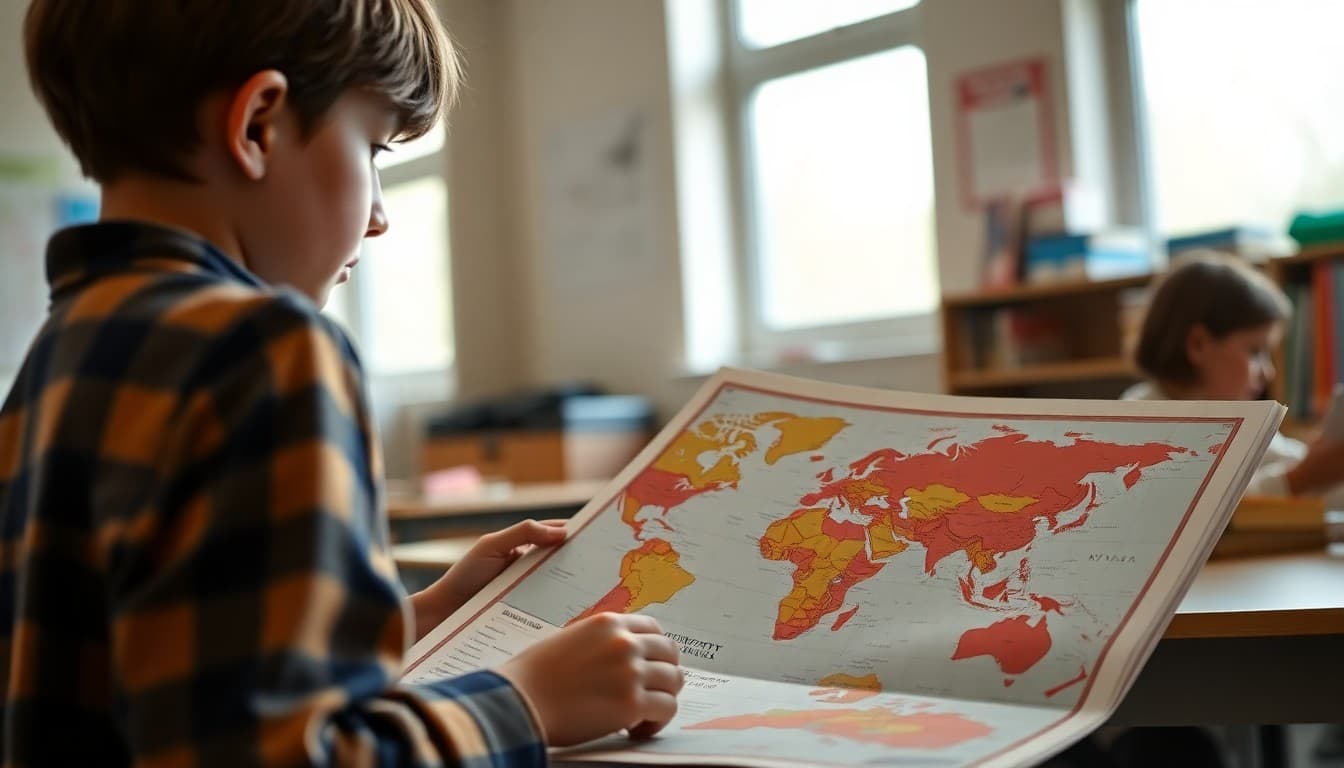
Geography sits at the intersection of nearly every subject: history, science, politics, economics, and culture all make more sense with a geographic foundation. Students who know where things happen, why populations settle where they do, and how physical features shape human experience understand the news, literature, and world history at a deeper level. A geography challenge gives students a structured reason to build this foundation. A newsletter that makes the preparation feel engaging rather than daunting gets students and families approaching the challenge with curiosity rather than anxiety.
What the Challenge Involves
Geography competitions typically combine place identification, such as naming countries and capitals on a map, with more complex questions about physical geography, climate patterns, human migration, economic development, and cultural regions. The level of complexity depends on the specific competition and grade level. What distinguishes middle school level geography competition from elementary is the expectation of contextual understanding alongside factual recall. Knowing that Nairobi is the capital of Kenya is useful. Understanding why Nairobi is located inland rather than on the coast, and what that reveals about patterns of colonial settlement and East African geography, represents the deeper level of geographic thinking competitions at this level reward.
Study Strategies That Work
The most effective geography study combines engaging repetition with contextual learning. Map games provide repetition in an engaging format that builds retention more effectively than flashcards. Seterra is a free web and app-based tool that presents blank maps and asks students to locate countries, capitals, or physical features by clicking. GeoGuessr drops players into a Google Street View location and asks them to identify where they are, which builds geographic pattern recognition and physical geography knowledge simultaneously. These tools can be used for fifteen to twenty minutes per day very effectively and most students find them genuinely enjoyable rather than tedious.
Context Connects the Dots
Students who understand why geographic knowledge matters retain it better than students who memorize it without context. Countries are more memorable when you understand what makes them significant: their history, resources, strategic location, or cultural contributions. Making connections helps: Saudi Arabia is on the Arabian Peninsula and holds some of the world's largest oil reserves. Switzerland is surrounded by mountains and has maintained neutrality in European conflicts partly because of that defensive geography. Bangladesh has one of the world's highest population densities because its fertile delta geography has supported intensive rice agriculture for centuries. These connections give students a framework that makes new geographic facts stick to existing knowledge rather than floating in isolation.
Building a Geography Habit at Home
The most effective at-home geography practice happens not as dedicated study but as incidental learning woven into family life. When a news story involves a country your family is not familiar with, looking it up on a map together takes ninety seconds. When cooking a dish from a specific cuisine, spending a moment on where that country is and what you know about it connects food to geography. When watching a nature documentary, noting what part of the world is being shown and what climate and geography explain what you are seeing builds geographic awareness without sitting down to study. These habits produce more durable geographic knowledge than dedicated memorization sessions and they are more enjoyable for everyone.
Get one newsletter idea every week.
Free. For teachers. No spam.
Frequently asked questions
What geography competitions are available for middle schoolers?
The National Geographic Bee (now GeoBee Challenge) is the most well-known. Many states and school districts run their own geography competitions. National History Day includes geography-relevant projects. Some schools participate in the World Strides Geography Bee or similar programs. The newsletter should describe the specific competition format including whether it is individual or team-based.
How should students study for a geography competition?
Effective geography study combines map practice with context learning. Tools like Seterra and GeoGuessr make map practice engaging. Watching news with a world map nearby connects place names to current events. Reading almanacs and exploring Google Earth builds the contextual knowledge that helps students answer questions about physical geography, cultures, and economics rather than just capital cities.
How can families help with geography study at home?
Put a world map on the wall where the family sees it regularly. Reference it when news events come up: 'that's happening in Ethiopia, let's find it.' Play geography games together using apps like Seterra or Sporcle. Ask about the geographic context of things your family does: where is the food you're eating from, what climate is the country you're learning about in a show. These habits build geographic literacy naturally alongside deliberate study.
How much of a geography competition is memorization versus understanding?
At elementary levels, competitions lean toward memorization. At middle and high school levels, competitions increasingly require geographic reasoning: understanding why cities are located where they are, how climate and terrain affect human settlement, and what physical features explain economic or political patterns. Pure memorization becomes less sufficient as the level advances.
How can Daystage help teachers communicate about geography events and competitions?
Daystage lets teachers send engaging newsletters with maps, study resource links, and competition preparation tips in a well-organized format. A Daystage newsletter about a geography challenge can include embedded resources that help students study from the newsletter itself.

Adi Ackerman
Author
Adi Ackerman is a former classroom teacher and curriculum writer with 8 years in K-8 schools. She writes about school communication, parent engagement, and what actually works in real classrooms.
More for Middle School
Ready to send your first newsletter?
3 newsletters free. No credit card. First one ready in under 5 minutes.
Get started free