
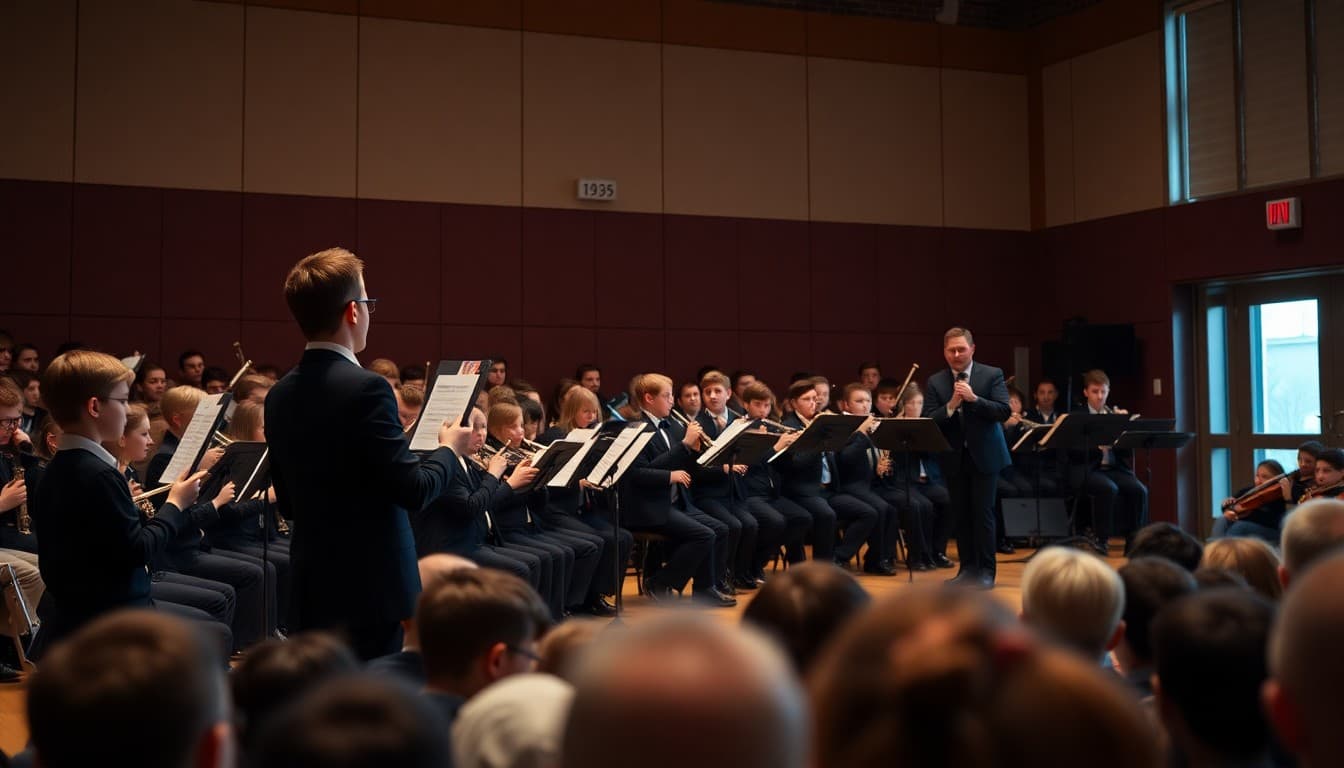
Band Concert Newsletter for Middle School Families
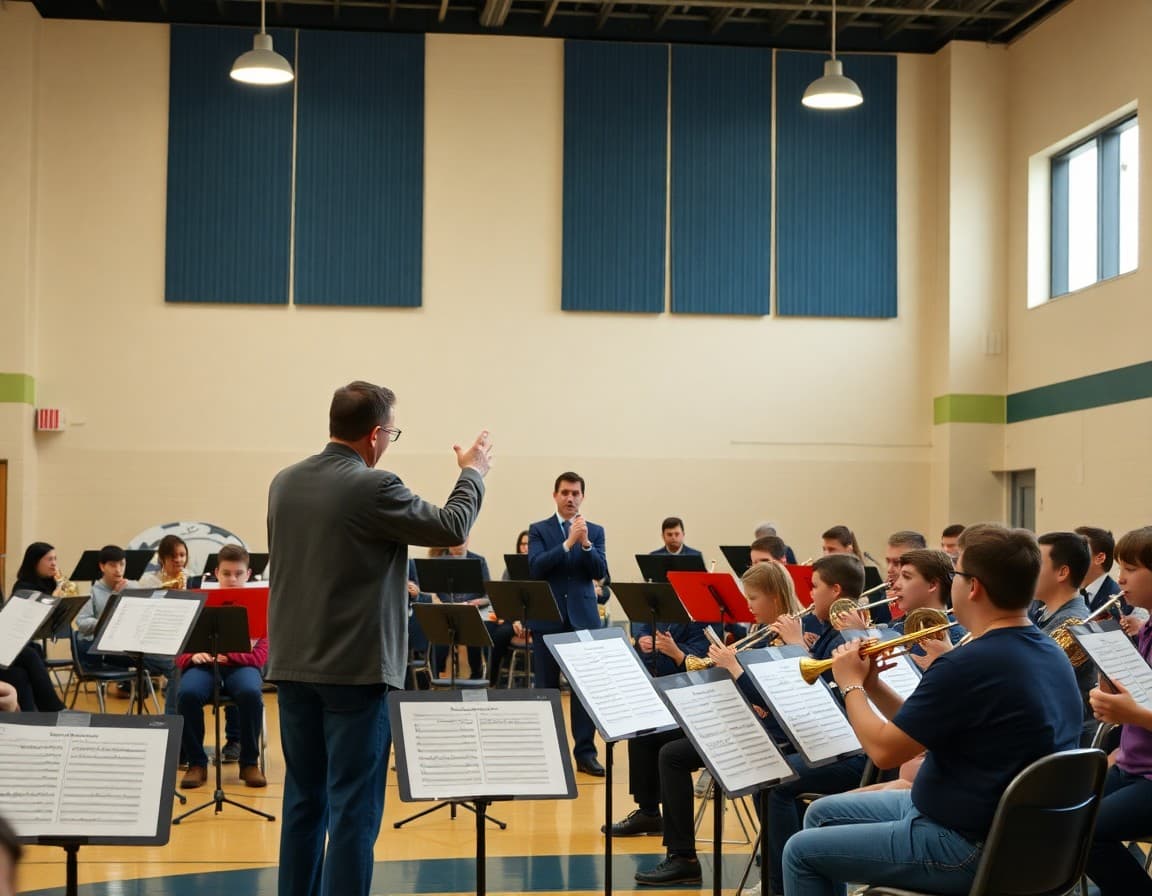
A band concert is the culmination of months of practice, the moment when students perform for a real audience what they have been working toward in every rehearsal. For families, it is an opportunity to see their student's musical growth made audible and to share in a genuinely beautiful school tradition. A newsletter that communicates the concert details clearly, conveys what the performance represents for students, and makes attendance easy is worth sending several weeks in advance and again a few days before the event.
This Concert's Program
Listing the pieces being performed in the newsletter gives families something specific to anticipate. Describe the music in terms non-musicians can appreciate: the style, the energy, the story it tells, or what makes each piece interesting to hear and to play. If there are any particularly challenging pieces that students have been working hard to learn, say so. Families who arrive knowing a little about what they are going to hear are more engaged audience members and better equipped to have a specific conversation with their student afterward rather than just "it was good." Including the names of the composers and any interesting historical or cultural context for the music is an added touch that many families appreciate.
Logistics for Concert Night
Concert night logistics are where most family confusion happens. Your newsletter should answer: what time does the concert start, what time do student performers need to arrive, where should families park or enter, how long will the concert last, and whether there is a reception or anything happening after. If there is a specific entrance for performers versus audience members, describe it. If parking is limited and families should plan extra time, say that. If the auditorium has reserved sections or limited seating, give specific guidance. These are details that seem obvious to the person who runs the concert every year and are genuinely unclear to families attending for the first time.
What Families Should Bring and Know
Concert etiquette is not obvious to everyone and is worth addressing directly in the newsletter without condescension. Silence phones before the performance begins. Hold applause until the conductor signals after each piece rather than applauding between movements of a multi-movement work. Young siblings who may become restless during a formal concert might be better served by a family member staying home with them so the attending family members can be fully present. Do not leave during a performance that your student is not in if other families' students are still performing. These behaviors affect the performers' experience and are worth addressing in print.
What the Concert Means to Your Student
Performance for an audience is one of the genuinely irreplaceable experiences in a student's development. The focused practice required to be ready for a concert, the collective discipline of performing together as an ensemble, and the specific experience of making music in front of people who care enough to attend produce a quality of attention and effort that is different from any other school assignment. Students who perform consistently in middle school develop resilience under pressure, attention to detail, and collaborative discipline that shows up in their academic work and social functioning. Attending and engaging genuinely with your student's concert is one of the highest-return investments of two hours that a family can make during the school year.
Get one newsletter idea every week.
Free. For teachers. No spam.
Frequently asked questions
What should a band concert newsletter include?
Cover the date, time, location, and duration of the concert. List the pieces being performed. Explain what to wear and what to bring. Describe what time students should arrive and any special entrance or staging instructions. Mention whether the concert will be recorded and how families can access a recording afterward. Include a brief note about what students have been working on and why this particular program represents their growth.
What should students wear to a band concert?
Most school band concerts require all-black concert attire, including black dress pants or skirt, black top, black shoes, and black socks. Some programs have band uniforms. The newsletter should specify the exact dress code clearly so there are no surprises on concert night. Also mention whether students need to bring their instrument, music folder, or any other items.
How early should students arrive before a band concert?
Most band directors require students to arrive 30 to 45 minutes before the concert start time for warm-up and tuning. This is not optional. Students who arrive late disrupt the warm-up for everyone. Families should plan for travel time, parking, and instrument setup to ensure their student arrives within the stated window.
How can families support their student's concert performance?
Attend the concert if at all possible. Show genuine interest in the program by asking your student about the pieces they are performing. Make sure they have practiced regularly and have all their materials ready the day before. On concert day, ensure they have eaten and have enough time to get ready without rushing. Avoid making nervous comments about their performance.
How does Daystage help music teachers communicate about concerts?
Daystage lets band directors send detailed concert newsletters with program information, logistics, and dress code in a well-organized format that families can reference when getting ready for concert night. A Daystage reminder a week before and another one or two days before significantly reduces the number of families who forget the date.

Adi Ackerman
Author
Adi Ackerman is a former classroom teacher and curriculum writer with 8 years in K-8 schools. She writes about school communication, parent engagement, and what actually works in real classrooms.
More for Middle School
Ready to send your first newsletter?
3 newsletters free. No credit card. First one ready in under 5 minutes.
Get started free