
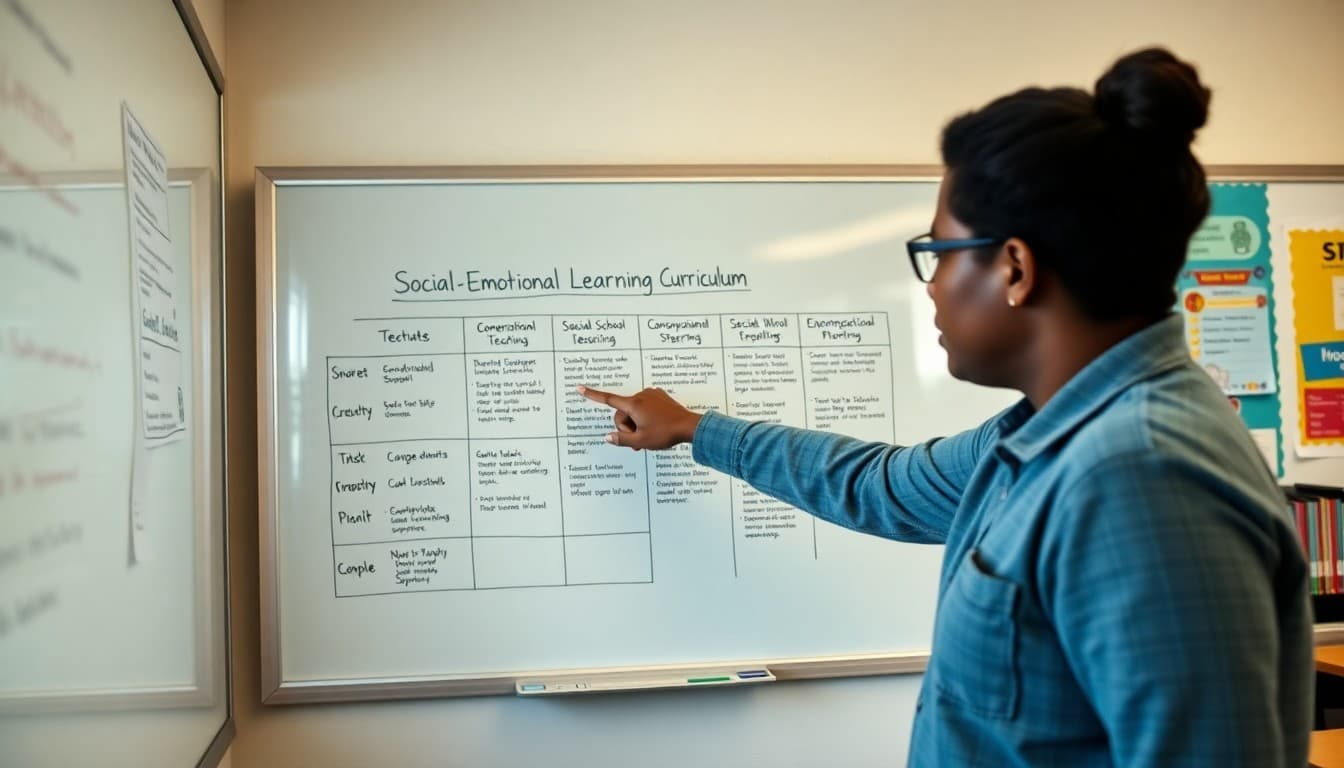
Advisory Curriculum Newsletter: Sharing Your SEL Scope and Sequence With Families
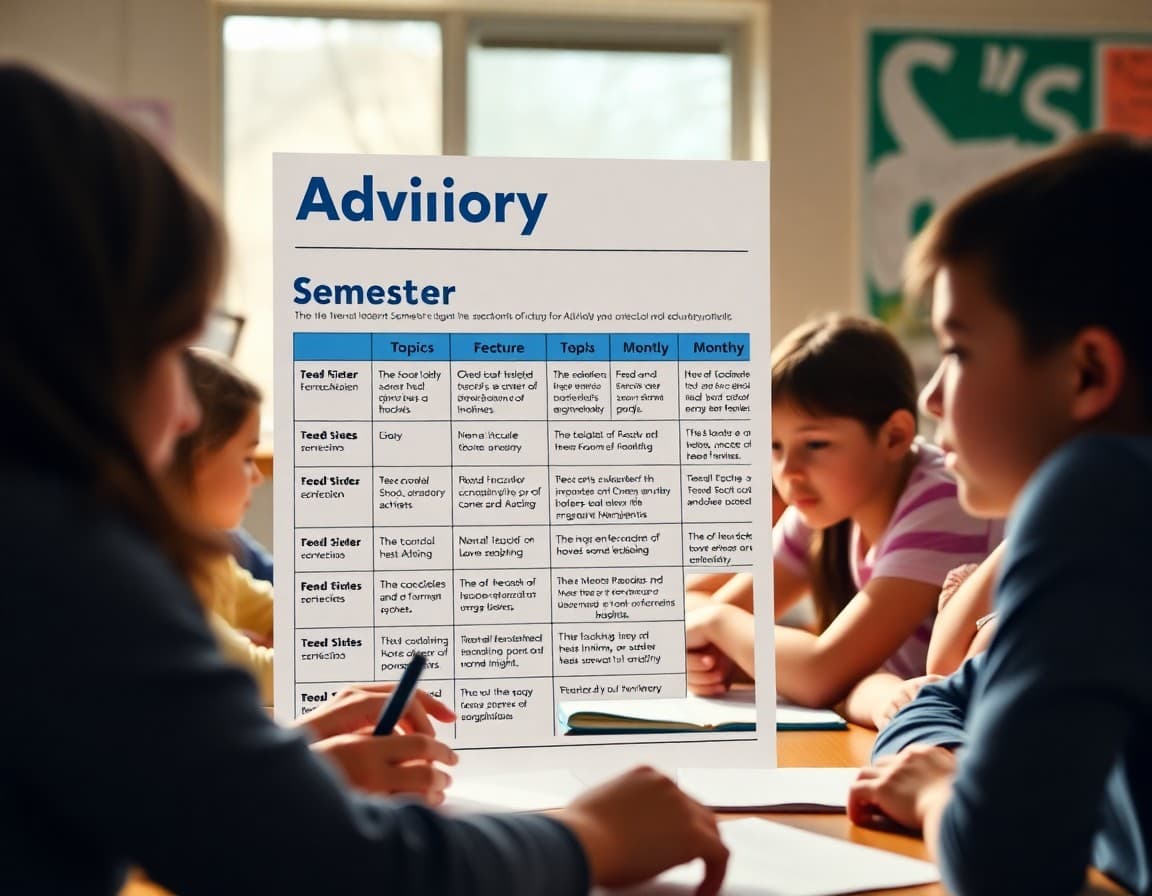
Most middle school advisory programs have a thoughtful curriculum that families never see. Students come home from advisory and say “we talked about stuff” and parents have no context for what that means. A newsletter that shares the advisory curriculum scope and sequence does more than inform. It creates the conditions for family members to continue the conversation at home, which is where social-emotional learning actually integrates into a student's life and values.
Why Sharing the Curriculum Matters
Advisory curriculum is often treated as a school-internal matter that families do not need to know about in detail. This is the wrong frame. Social-emotional skills, self-regulation, empathy, growth mindset, and conflict resolution, develop through practice in real situations. The school teaches the vocabulary and the framework. The family provides the real situations where those skills get applied. A student who has spent advisory time this month learning about growth mindset will encounter a challenging math problem at home this week. A parent who knows the student has been working on growth mindset can ask: what would your advisory teacher say about this moment? That connection between school learning and home practice is only possible when the family knows what the school is teaching.
The Scope and Sequence Overview
A year-opening advisory curriculum newsletter should map the full year at a high level. September and October: community building, getting to know each other, establishing advisory group norms. November: academic habits and the growth mindset framework. December: stress management and healthy responses to academic pressure. January: identity, belonging, and navigating difference. February and March: conflict and healthy relationships. April: goal-setting and working toward high school transition. May: reflection and recognizing growth. This arc makes sense as a developmental sequence, and families who see it understand the intentionality rather than thinking advisory is a different topic each week with no coherent purpose.
Monthly Topic Newsletters That Go Deeper
The year-opening scope and sequence overview works as an orientation document. The monthly topic newsletters that follow provide the depth that makes family reinforcement possible. When November arrives and advisory shifts to growth mindset, send a newsletter that explains what growth mindset means, the key ideas students will encounter, specific things families can say and avoid saying that reinforce growth mindset at home, and conversation starters that connect the classroom work to daily family life. This level of monthly follow-up turns the advisory curriculum from a school program into a shared family-school initiative.
Addressing SEL Skepticism Directly
Some families are skeptical of social-emotional learning programs, particularly in communities where school time feels like it should be maximized for academic content. Your curriculum newsletter can address this directly. The research connection between SEL competencies and academic performance is robust. Students who can manage anxiety perform better on tests. Students who can seek help when confused make faster academic progress. Students who have growth mindset persist through difficult material rather than giving up. Framing SEL as academic support rather than a separate program makes it easier for skeptical families to see the value. Do not be defensive about it. Describe the specific academic outcomes the skills support and let the connection speak for itself.
What Students Should Feel Safe Not Sharing at Home
Advisory curriculum sometimes includes deeply personal reflection activities: journaling about a challenging family situation, discussing personal fears, or sharing something about one's identity that feels private. Families who know this is part of the curriculum sometimes press their student to share what they wrote or said in advisory. Include a brief note in the newsletter that some advisory activities are designed to be private for students and that it is appropriate to respect that privacy at home. “If your student does not want to share what they wrote in their advisory journal, that is their right. What you can always ask about is the topic, the discussion format, and whether they found it useful.” This framing protects student privacy while still inviting family engagement with the advisory experience.
Connecting Advisory to the Rest of School Life
The most powerful advisory programs are ones where the skills practiced in advisory show up explicitly in content classes and in the school's cultural norms. When the math teacher says “what would a growth mindset response to this problem look like?” and the advisory teacher taught growth mindset last month, the connection reinforces both. Let families know about these cross-program connections in the newsletter. When families see that the skills advisory teaches appear in academic classes, extracurriculars, and the school's stated values, they understand that advisory is not a separate program but an integrated part of the school's philosophy for supporting student development.
Get one newsletter idea every week.
Free. For teachers. No spam.
Frequently asked questions
What should an advisory curriculum newsletter cover?
Give families an overview of the advisory curriculum for the year: what major themes are covered each month, what skills students will practice, and how the curriculum connects to middle school social-emotional development. Describe the curriculum source if you use a published program. Explain how advisory activities complement the academic curriculum. Include a brief explanation of why each theme is sequenced when it is, so families understand the intentionality behind the progression.
How much detail should families receive about the SEL curriculum?
Enough to have informed conversations with their student without undermining the learning by giving away specific activities. Families who know that advisory is covering 'identity and belonging' in October can ask their student what the advisory discussion was about and what they noticed about themselves in the exercises. They do not need to know the exact questions from a specific journaling activity, which might feel intrusive if they ask about it before their student has processed it. General topic descriptions with the monthly arc are the right level of detail.
How do you communicate SEL topics without education jargon?
Translate every technical term immediately into plain language. 'Growth mindset' means the idea that intelligence and ability can develop with effort rather than being fixed at birth. 'Self-regulation' means managing your own emotions and reactions rather than being managed by them. 'Perspective-taking' means genuinely trying to understand how a situation looks from another person's point of view. These translations make the content accessible to families who have not encountered this vocabulary and signal that the curriculum covers substantive ideas, not vague 'feelings work.'
How do you handle parents who are skeptical of social-emotional learning?
Acknowledge the concern without being defensive. Some families believe school time should be spent on academic content. Explain specifically how advisory supports academic performance: students who can manage stress, seek help when they are confused, and maintain a growth mindset when they struggle learn more effectively than students who cannot. Connect the SEL skills to academic outcomes rather than defending the value of social-emotional learning in the abstract. Specific connections are more persuasive than philosophical arguments.
How does Daystage support advisory teachers who want to share their curriculum with families?
Daystage lets advisory teachers send a curriculum overview newsletter at the start of the year and follow-up monthly newsletters that connect the current advisory theme to family conversations at home. The consistent newsletter format builds family familiarity with the advisory program over time, which increases the value families assign to it and their willingness to reinforce advisory themes in home conversations.

Adi Ackerman
Author
Adi Ackerman is a former classroom teacher and curriculum writer with 8 years in K-8 schools. She writes about school communication, parent engagement, and what actually works in real classrooms.
More for Middle School
Ready to send your first newsletter?
3 newsletters free. No credit card. First one ready in under 5 minutes.
Get started free