
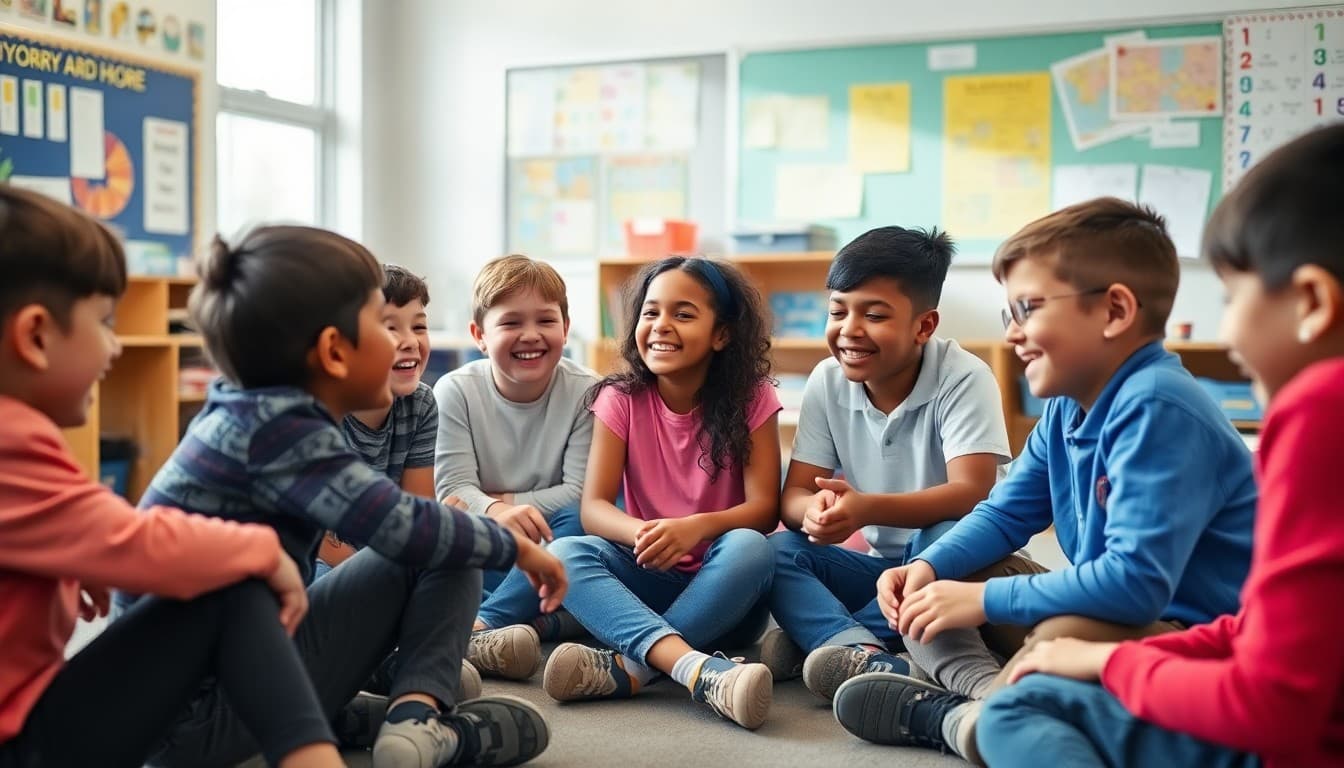
6th Grade Classroom Community Newsletter: Building Belonging
Sixth grade is when social belonging starts to feel genuinely high stakes. For many students, the shift from elementary to middle school means rebuilding their social circle almost from scratch. What you build in your classroom, the norms, the rituals, the way students treat each other, matters as much as the curriculum. And families who understand that culture are better positioned to support it at home.
Share the Norms You Have Established Together
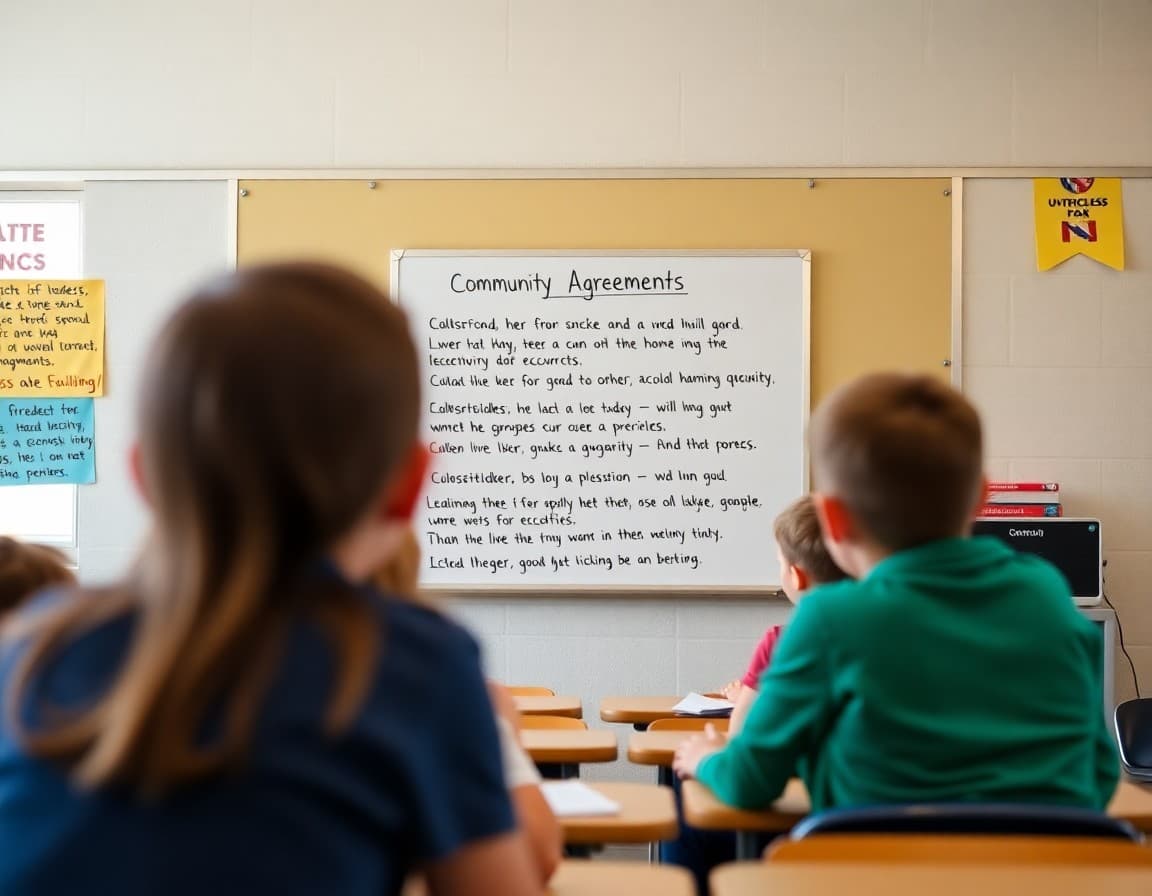
If your class developed community agreements or norms together at the start of the year, share them in the newsletter. Families who know that your class agreed to "speak up and make space" or "assume good intent" have a shared vocabulary to use at home. They can ask their child which norm was hard to follow this week, which creates a real conversation.
Describe Your Community-Building Routines
Tell families what you do each day or week to build community. Morning meeting, advisory circle, team challenges, or structured cooperative work all count. Parents who picture their child's school day as rows of desks and lectures are often surprised to learn how much intentional community work happens. Showing them what that looks like builds trust and buy-in.
Talk About What Belonging Looks Like in 6th Grade
Belonging in 6th grade is different from belonging in 3rd grade. Students are starting to form identity-based peer groups, navigating exclusion and inclusion consciously, and developing a much sharper sense of who they are relative to others. Your newsletter can name this developmental reality without being alarming, which helps families understand why their child's social life may feel more complicated than it used to.
A Sample Community Update
Here is how a community section might read in a monthly newsletter:
"This month we focused on what it means to be a good teammate during group work. We talked about the difference between helping someone and doing their work for them, and practiced giving feedback in ways that are specific and kind. Students have been doing this really well. If your child wants to share their teamwork reflection, ask them about the 'feedback sandwich' we practiced."
Address Any Community Challenges Honestly
If your class has gone through a rough patch socially, you do not have to pretend otherwise. A brief, honest acknowledgment, framed around what the class is learning and how you are addressing it, builds parent trust far more than silence. Families whose children have come home upset want to know the school is aware and working on it.
Give Families Home Conversation Starters
Most families ask "how was school today?" and get "fine." Give parents three better questions each month. This month's set might be: What is one thing a classmate did this week that you noticed? Is there anyone in your class who seems like they are having a hard time? What is one way you were a good community member this week? Those questions are specific enough to get real answers.
Celebrate Community Wins
Name specific moments when your class did something that exemplified your community values. A student who spoke up to include someone. A team that helped another group finish their project. A class that handled a disagreement without escalating. These stories are powerful for families to hear and for students to see reflected back at them.
Invite Family Participation
Community-building newsletters are a natural place to invite parents to be part of the classroom. You might invite a family member to share their career for a community-connections project or ask parents to send in a family tradition for a diversity celebration. Small invitations create investment in the community you are building together.
Get one newsletter idea every week.
Free. For teachers. No spam.
Frequently asked questions
What should a 6th grade classroom community newsletter cover?
Cover the social structures you have built in the classroom: team agreements, class norms, morning meeting practices, or advisory routines. Share what community means in your room and give families a window into the culture their child is spending six hours a day in. Also share what students are learning about conflict resolution or peer relationships.
How often should I send a community-focused newsletter to 6th grade families?
Once a month is enough to maintain awareness without overwhelming families with non-academic updates. Time it around events that are relevant to community: start of year when norms are established, after a community challenge, or in spring when social dynamics often shift again.
How do I communicate about social struggles without violating student privacy?
Write at the pattern level, not the individual student level. Instead of naming a conflict, describe the type of behavior you are working on class-wide. Families recognize the pattern without anyone being called out. Phrases like "we have been working on including others during group work" communicate the reality without specifics.
What can 6th grade parents do at home to support classroom community goals?
Ask families to have dinner-table conversations about their child's friendships. Encourage parents to ask open questions: who did you eat lunch with today, is there anyone in class who seems left out, how did you help someone this week? Those questions reinforce the community values you are building in school.
What tool helps teachers send community-focused newsletters to families?
Daystage is well suited for community newsletters because you can include photos of class activities, embed a class norms section, and keep the tone warm and personal. Families who can see and read about their child's school environment feel more connected to the classroom culture.

Adi Ackerman
Author
Adi Ackerman is a former classroom teacher and curriculum writer with 8 years in K-8 schools. She writes about school communication, parent engagement, and what actually works in real classrooms.
More for Middle School
6th Grade Social Skills Newsletter: Relationship Building at School
Middle School · 6 min read
6th Grade Digital Citizenship Newsletter: Safe Tech for Families
Middle School · 6 min read
8th Grade Behavior Newsletter to Parents: Communicating with Families of 8th Graders Honestly and Constructively
Middle School · 7 min read
Ready to send your first newsletter?
3 newsletters free. No credit card. First one ready in under 5 minutes.
Get started free