
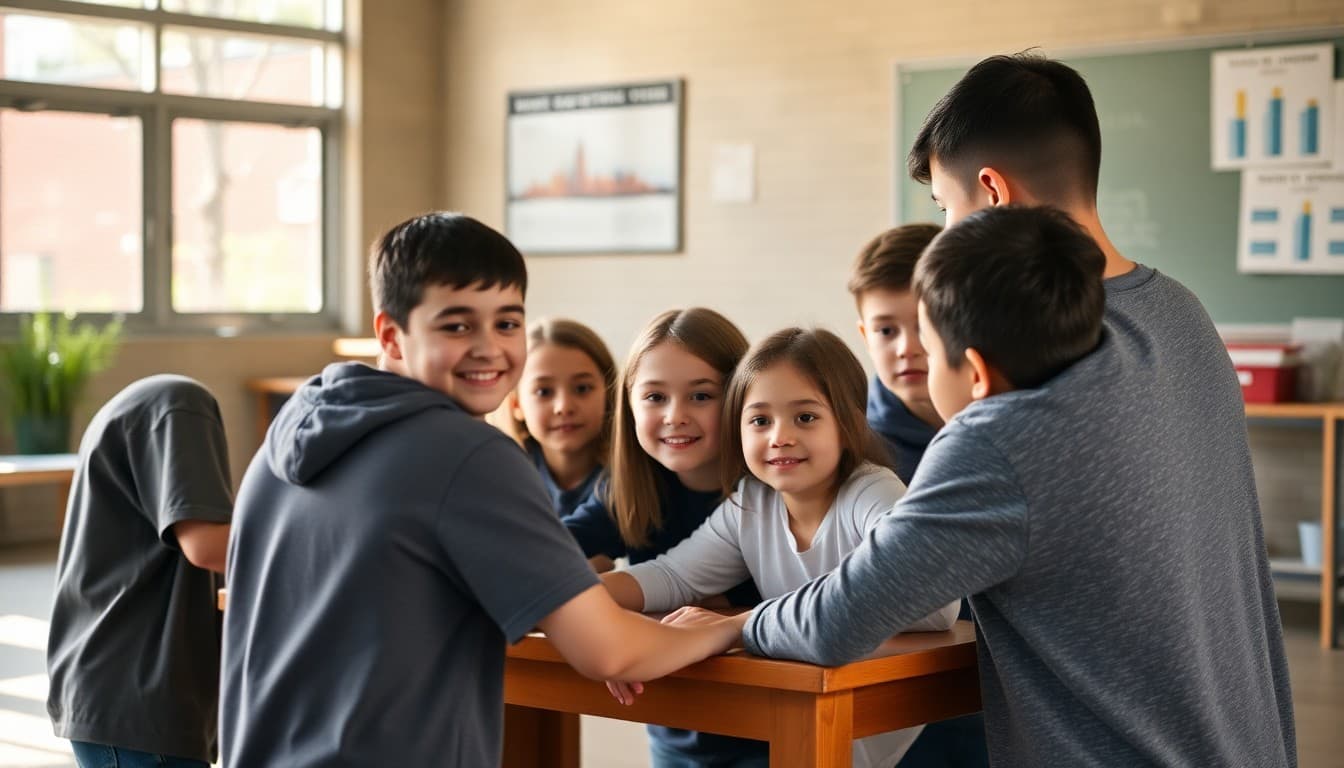
8th Grade Classroom Community Newsletter: Building Belonging
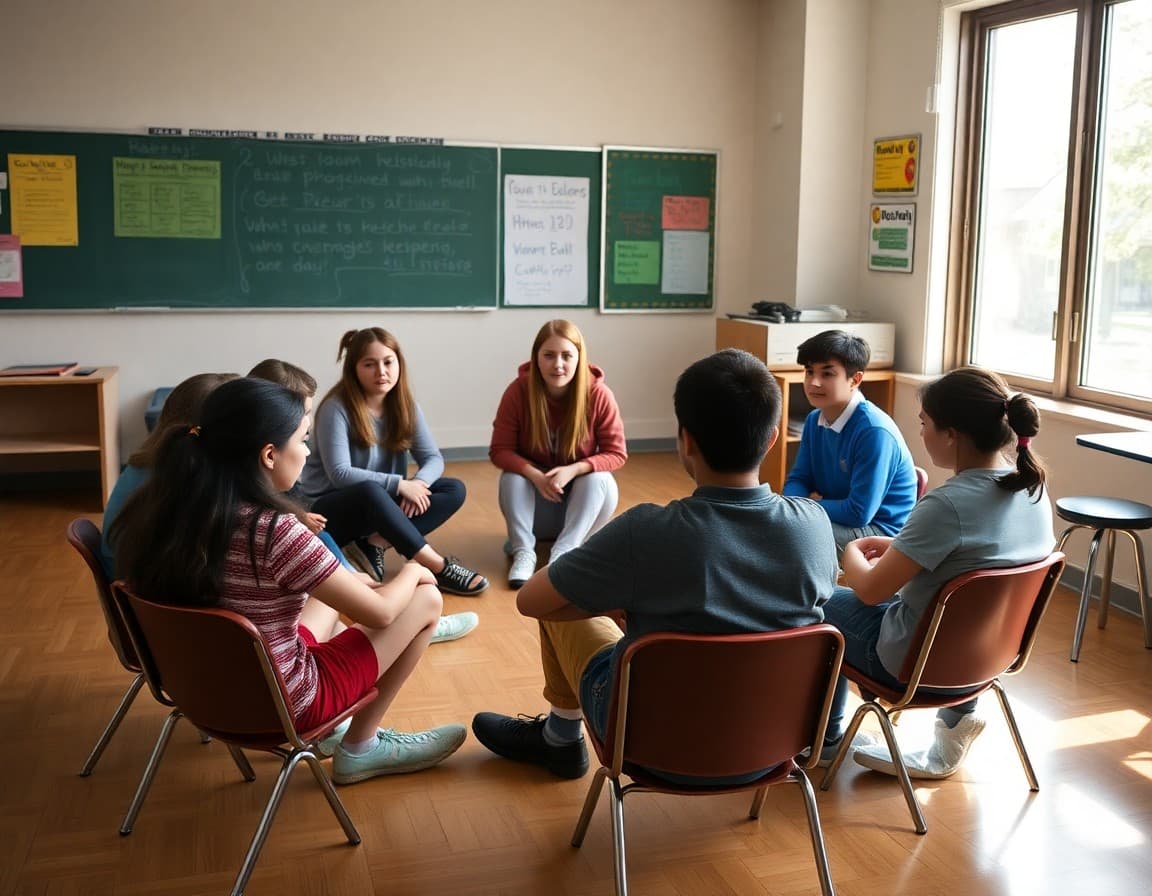
The final year of middle school is a strange mix of endings and beginnings. Students who have spent three years together are simultaneously feeling close and pulling apart as they start to imagine different high school trajectories. The classroom community you have built is at its most intentional and most fragile at the same time. A newsletter that gives families a window into what is happening socially and what you are doing about it is more valuable in 8th grade than at any earlier point.
Name the Unique Social Energy of 8th Grade
Open your newsletter by naming what is real. Eighth grade is a closing chapter and an opening one simultaneously. Students are navigating real grief about what they are leaving while also feeling excited and anxious about what comes next. These competing emotions show up in the classroom as increased sentimentality, occasional flare-ups of old conflicts, and a heightened need for both connection and independence. Families who understand this context respond to their child's social experiences with more empathy.
Describe the Community You Have Built
Tell families what the classroom community has looked like this year. The norms your class established together. The ways students have supported each other through challenging academic and social moments. The practices that have made your room a place where students are willing to take intellectual and social risks. Families who have been watching their child navigate middle school for three years want to know what this environment has looked like.
Address Transition Anxiety Directly
High school transition anxiety surfaces in 8th grade classrooms as early as October. Some students process it as excitement. Others process it as withdrawal, heightened conflict, or academic disengagement. Your newsletter can acknowledge this openly: it is normal for 8th graders to have complicated feelings about what is next, and the school is taking that seriously through advisory, transition programs, and direct conversation.
A Community Reflection Template
Here is a section that works well mid-year:
"This month in advisory, we have been reflecting on our three years together as a middle school community. Students wrote about what they are most proud of, what was hardest, and what they want to carry into high school. What we heard in those reflections showed real growth. If you want a window into that conversation at home, ask your child: What is one thing you are proud of from this school year? What do you want to be different about high school?"
Talk About Social Hierarchies With Honesty
By 8th grade, some students have a clear sense of their social position and feel either protected by it or trapped by it. High school genuinely does offer a reset, but families need to help students approach that reset intentionally rather than expecting it to happen automatically. Your newsletter can note that most social patterns from middle school do not automatically dissolve in high school, but students who are intentional about who they want to be in a new environment can shape it.
Celebrate Specific Community Achievements
Name real moments from this year. A class that handled a difficult conversation with real maturity. A student who stepped into a leadership role they were not asked to take. A group that supported a classmate through a hard personal moment. These specific, real stories are what make a community newsletter feel like an actual letter and not a form.
Connect Community to High School Readiness
The interpersonal skills students have developed in your classroom are real skills that travel with them. The ability to navigate conflict, collaborate with people they disagree with, advocate for themselves respectfully, and show up for others is high school readiness. Your newsletter can name these skills explicitly so families understand that the community work was not separate from academic preparation. It was part of it.
Invite Families Into the Closing Chapter
Close with a practical invitation. Are there community events coming up that families can attend? A closing ceremony, a portfolio presentation, a class-designed project? Daystage makes it easy to include an event section in your newsletter so families know what is coming and how to be part of the farewell to middle school that their child deserves.
Get one newsletter idea every week.
Free. For teachers. No spam.
Frequently asked questions
What should an 8th grade classroom community newsletter focus on?
The last year of middle school is a time for both community celebration and preparation for transition. Your newsletter can cover the class norms and culture you have built together, the social-emotional skills students have developed, how you are helping them close out this chapter, and what community means as they head into a new environment.
How do 8th grade social dynamics differ from earlier middle school years?
By 8th grade, social hierarchies that formed in 6th and 7th grade are often entrenched. Students may have a clear sense of their social identity and be less willing to move outside familiar groups. At the same time, the impending transition to high school loosens some of those patterns as students realize their social landscape is about to change entirely.
How can families support their 8th grader's social development in the final year of middle school?
Encourage openness about the upcoming transition rather than anxiety. Help students see the move to high school as an opportunity to meet people with different interests and redefine who they are socially. At the same time, honor the real grief of leaving a community they have spent three years building. Both feelings are valid.
What community issues are common in 8th grade that a newsletter might address?
Senior-year social dynamics, clique entrenchment, leaving-year sentimentality mixed with conflict, and transition anxiety all tend to surface in 8th grade. Acknowledging these in the newsletter at the pattern level, without identifying individuals, helps families understand what their child is experiencing.
What tool works well for community-focused newsletters in 8th grade?
Daystage supports community newsletters with a warm, personal format that can include class photos, student highlights, and conversation starters. The newsletter format works for both the reflective tone of closing out middle school and the forward-looking tone of preparing for high school.

Adi Ackerman
Author
Adi Ackerman is a former classroom teacher and curriculum writer with 8 years in K-8 schools. She writes about school communication, parent engagement, and what actually works in real classrooms.
More for Middle School
Ready to send your first newsletter?
3 newsletters free. No credit card. First one ready in under 5 minutes.
Get started free