
Visual Arts Magnet School Newsletter: Gallery and Studio Updates
A visual arts magnet school newsletter that does not include images of student work is missing its most persuasive content. The newsletter for an arts program is itself a design communication, and it should reflect the school's commitment to visual excellence. At the same time, it needs to communicate practical information about gallery shows, portfolio timelines, and college preparation that families depend on. The best visual arts magnet newsletters are both beautiful and informative.
Announcing Gallery Shows
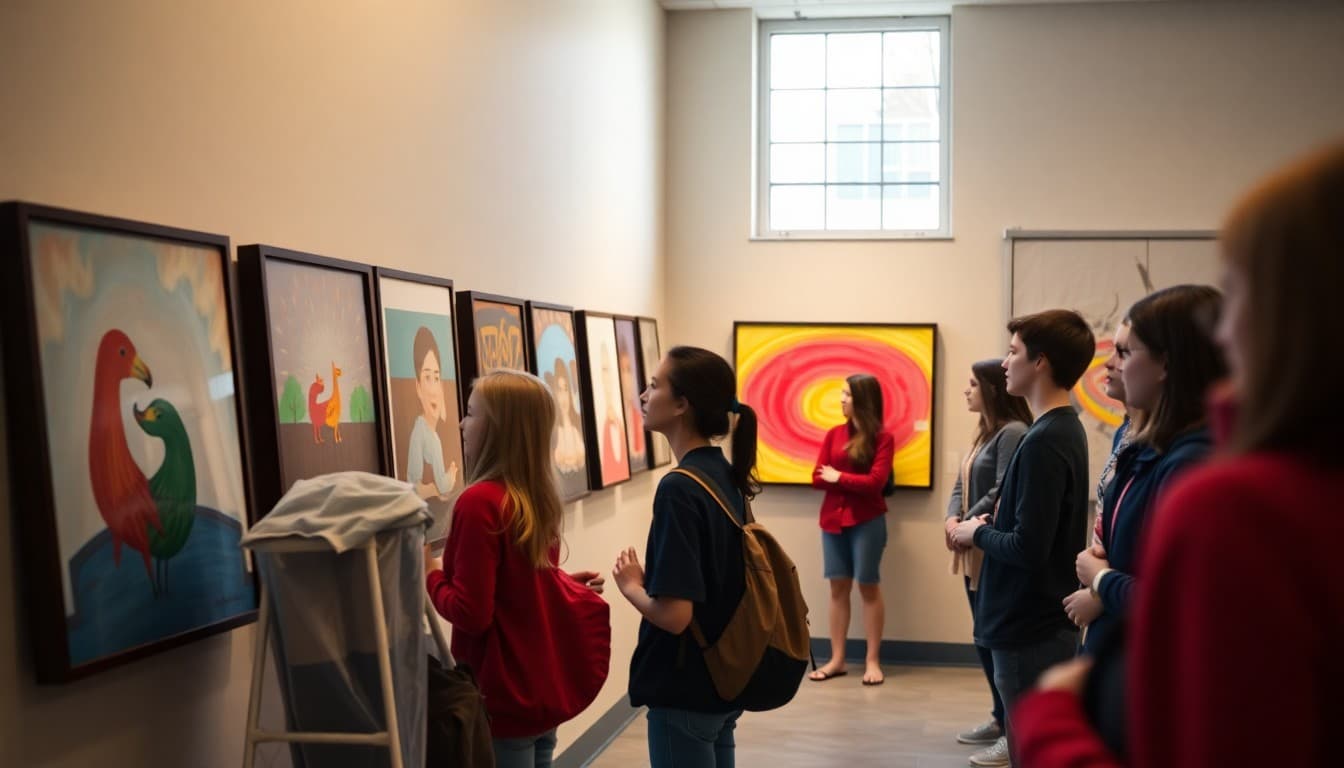
Send a gallery announcement newsletter two to three weeks before each show opening. Include the date, time, location, and whether the event is open to the community or to invited families only. Describe the show's theme or concept if there is one. Include a preview image or two from participating students, with their permission. Follow up within a week of the closing with a recap newsletter that includes additional images, student names, and brief descriptions of featured works. These newsletters serve as both invitations and documentation, and families save them.
Student Work Spotlights
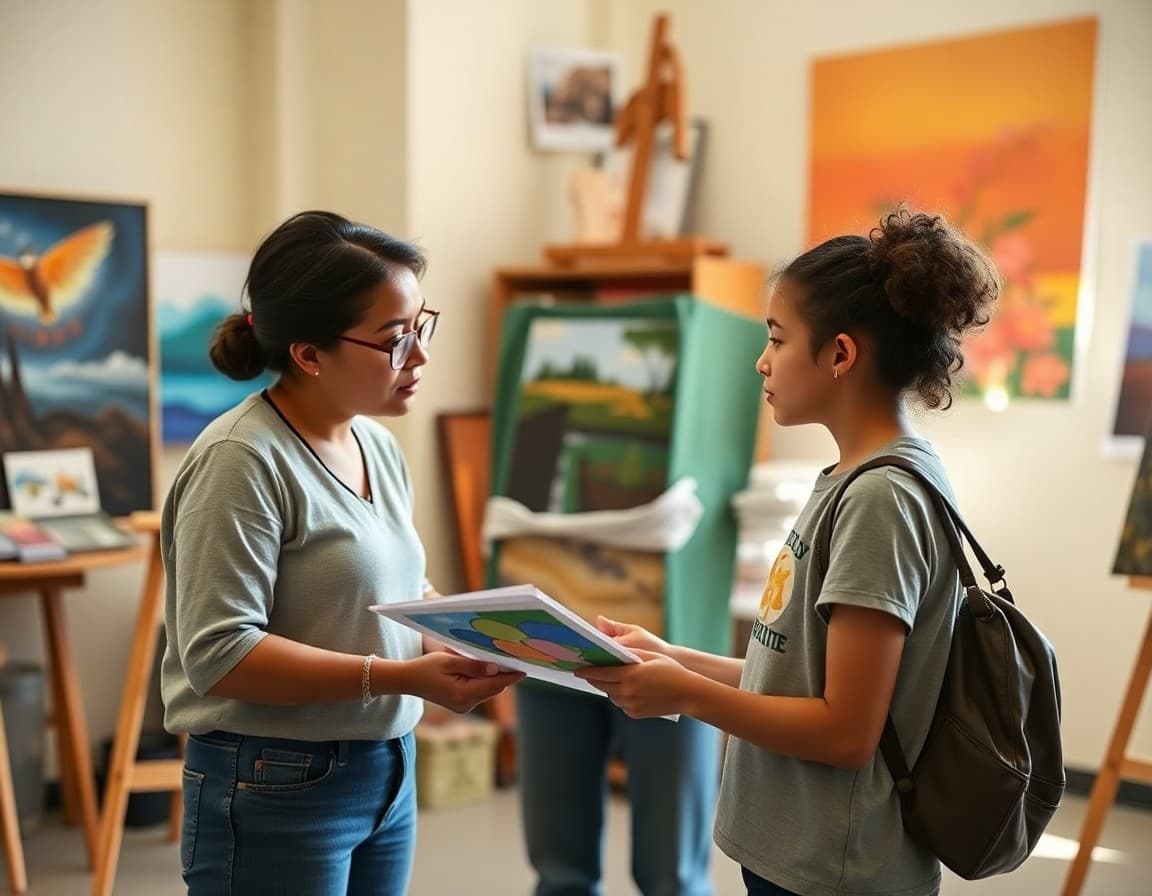
Each newsletter should feature two or three pieces of student work with the student's name, grade, the title or description of the work, and a brief artist statement if one is available. A student statement does not need to be long: "I was exploring how repetition creates texture and rhythm in drawing, using my grandmother's fabric collection as a reference" is enough to give the work context and show that the student has developed the habit of thinking about their work analytically. These spotlights tell prospective families exactly what the program is producing.
Media and Technique Updates
Describe what techniques and media students are working with in each grade level. "Eighth graders spent the fall exploring printmaking, learning reduction linocut and screen printing. They are beginning spring semester with an introduction to photographic processes, using both digital and darkroom methods." This kind of description helps families understand the curriculum scope and depth. It also gives students vocabulary for describing what they are learning to family members who ask "What did you do in art today?"
Visiting Artists and Residencies
Visiting artist workshops and multi-week residencies are among the most valuable enrichment experiences an arts magnet can offer. Announce upcoming residencies in advance with a brief bio of the visiting artist and what medium or focus they will bring. Recap residencies with student quotes about what they learned and examples of work produced during the residency. A school that brings in working professional artists gives students access to perspective and practice that no classroom curriculum can fully replicate.
Portfolio Development for Upperclassmen
The newsletter should include a dedicated section each semester for juniors and seniors on portfolio development. In the fall of junior year: identifying artistic intent and the themes that will anchor the portfolio. In the spring of junior year: reviewing which existing works belong in the portfolio and what gaps to fill in senior year. In the fall of senior year: final portfolio curation, artist statement writing, and preparing for specific college submission requirements. This timeline, communicated consistently through the newsletter, prevents the senior portfolio crisis that happens when students try to build a portfolio from scratch in December.
College Arts Program Preparation
Art school admissions are significantly different from traditional college admissions. A newsletter that explains the arts program application process specifically helps families prepare. Some programs require a portfolio submitted through SlideRoom or a school-specific portal. Others require an in-person portfolio review or an interview. The Common App is still used, but the portfolio supplement is often weighted more heavily than test scores or GPA. Include a timeline in the fall newsletter for senior families: when to finalize the portfolio, when to submit applications, when portfolio review appointments are typically offered, and how to request a portfolio review recommendation from the school.
External Competitions and Recognition
Report visual arts competition results with specific student names, titles of the works that were recognized, and the competition name and level. The Scholastic Art and Writing Awards are the largest recognition program for student visual artists in the country. State and regional competitions also offer significant visibility. Gold Medal winners from Scholastic who advance to the national level deserve a dedicated feature. Include a photo of the recognized work with the student's statement if available.
Alumni Outcomes
Each year include a brief section on what recent visual arts magnet graduates are doing. One who is studying industrial design at RISD. One who is in a BFA painting program. One who is working as a graphic designer. One who chose a traditional liberal arts major but continues making art. These brief profiles help current families see the range of paths the program opens and reduce anxiety that choosing an arts magnet forecloses other options. Alumni who are willing to speak to current families or participate in portfolio review events are a program resource worth cultivating and naming in the newsletter.
Get one newsletter idea every week.
Free. For teachers. No spam.
Frequently asked questions
What should a visual arts magnet school newsletter cover?
Cover upcoming gallery shows and opening events, student exhibition highlights with descriptions of individual works, media and technique instruction updates by grade level, portfolio development milestones especially for upperclassmen, visiting artist workshops and residencies, external competition results, college arts program preparation including portfolio review process and audition or submission timelines, and alumni outcomes in design, fine arts, and related fields.
How does a visual arts magnet prepare students for college arts programs?
Visual arts magnet students develop a portfolio across multiple media over four years, receive formal instruction in art history and critical analysis, study professional practices including artist statements and critique processes, and often have access to advanced media facilities like darkrooms, print studios, digital imaging labs, and ceramics kilns. For art school applications, the portfolio is the primary credential. Students who have spent four years developing a body of work with clear artistic intent are significantly better positioned than those building a portfolio in senior year.
When should visual arts magnet students begin building their college portfolio?
Portfolio building should begin as a conscious process in tenth grade, though work from ninth grade can certainly be included if it shows growth or skill. By eleventh grade, students should be working with their teacher to identify the artistic themes or media areas that will anchor the portfolio. Senior year should be devoted primarily to refining the portfolio, writing artist statements, and completing college application requirements. A newsletter in September of junior year that explains this timeline gives families enough advance notice to support the process.
How do visual arts magnets handle the balance between technical skill and artistic concept?
Strong visual arts programs teach both. Technical mastery without conceptual development produces competent decoration. Conceptual ambition without technical skill produces work that cannot execute its intentions. The newsletter should describe how the curriculum addresses both dimensions: foundation courses in drawing, color, and design principles in earlier grades, and more conceptually driven studio practice with media choice in later grades. Including student artist statements alongside images of their work shows families how the program develops both.
What platform helps visual arts magnet schools send gallery announcement newsletters with images?
Daystage supports image blocks and formatted newsletter layouts that let visual arts magnet coordinators include student work images alongside gallery event details. You can send a professional-looking newsletter that reflects the school's visual identity without needing a separate website or graphic design support.

Adi Ackerman
Author
Adi Ackerman is a former classroom teacher and curriculum writer with 8 years in K-8 schools. She writes about school communication, parent engagement, and what actually works in real classrooms.
More for Magnet & IB
Ready to send your first newsletter?
3 newsletters free. No credit card. First one ready in under 5 minutes.
Get started free