
Magnet School Commuter Family Newsletter: Long Distance Updates
Families who commute to a magnet school made an active choice to prioritize a specialized program over the convenience of the neighborhood school. That choice involves real sacrifice: time, transportation costs, and the social friction of not being part of the local school community. A newsletter that acknowledges this reality and addresses the specific needs of commuter families builds the kind of loyalty that sustains a magnet program's enrollment and reputation over time.
Acknowledging the Commute in Your Communication
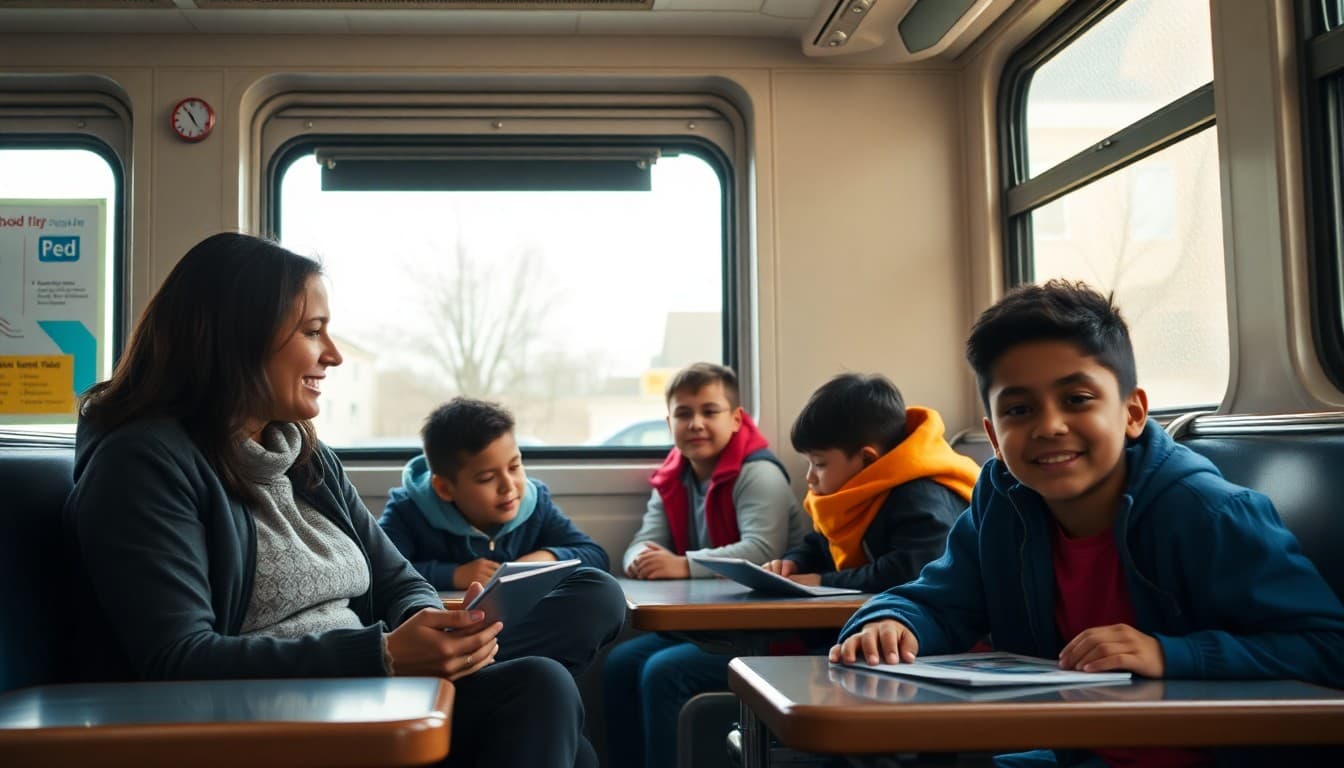
The first thing a commuter family newsletter can do is simply acknowledge that commuter families exist and that the school recognizes their commitment. This sounds small but matters. Many magnet schools communicate as if every family lives five minutes away. A newsletter that says "We know many of you travel 30 to 45 minutes to be here, and we want to make that investment worthwhile" builds trust before a single piece of practical information is shared. Families who feel seen are more forgiving of the occasional inconvenience and more likely to stay through challenges.
Transportation Logistics: What Changes and When
Commuter families are disproportionately affected by schedule changes, early dismissals, and transportation disruptions. A family who does not live in the school's neighborhood and does not have the informal parent network that neighborhood families rely on needs all schedule information sent proactively and in advance. The newsletter should be the early warning system: if there is a shortened day for professional development, an end-of-year schedule change, or a transportation disruption, commuter families should receive that information before the week it happens, not in a same-day email.
Carpool Matching and Community Building
Many magnet school families who live near each other do not know it until they happen to see each other at a bus stop. The newsletter can facilitate carpool connections by publishing a brief carpool coordination resource: how families can indicate their neighborhood or zip code to be connected with others nearby, whether the school has a formal carpool matching system, and whether there are commuter-specific parent groups organized by geographic area. A fifth-grade student who rides to school with the same classmate every day for three years has a different experience of magnet school than one who commutes alone.
After-School Activities and the Commute
After-school activities are one of the most significant barriers for commuter students. A student who must catch a bus at 3:45 cannot participate in a club that runs until 4:30. The newsletter should describe which after-school activities have transportation accommodations, which activities can be attended virtually, and whether the school has made any specific adjustments to activity timing to accommodate commuter schedules. If certain high-demand activities are consistently inaccessible to commuter students, that is a program equity issue worth raising with administrators rather than accepting as inevitable.
Virtual Participation Options for Events
Many school events, including parent-teacher conferences, curriculum nights, advisory committee meetings, and program information sessions, are now offered in hybrid or virtual formats. The newsletter should explicitly note when virtual attendance is available and how to access it. A commuter family that cannot attend a 7 p.m. event at a school 45 minutes away on a school night without significant logistical effort should not have to miss the content entirely. Virtual options are a retention tool, not a pandemic-era accommodation that expired.
Community Connection Without Physical Presence
School community is often built through informal presence: volunteering in the library, attending lunch events, joining the morning drop-off conversation. Commuter families who do not live nearby participate in these moments less frequently. The newsletter can build community for them in ways that do not require physical presence: featuring commuter family stories, creating a commuter parent group on an appropriate platform, organizing a virtual coffee with the principal for commuter parents, or publishing student-generated content that gives all families a window into daily school life. Digital community is different from physical community but is not without value.
Retention: When Families Consider Leaving
Commuter families are at higher risk of transferring back to neighborhood schools when the logistical demands become overwhelming, when a child faces a difficult social year, or when academic challenges coincide with exhaustion from the commute. The newsletter should not wait for a retention crisis to acknowledge these pressures. A section in the spring newsletter that says "We know the spring semester can be when commute fatigue sets in. If you have any concerns about next year, please contact us before making a final decision" is a proactive retention strategy. Most families who leave after a difficult year would have stayed with the right support.
Celebrating Commuter Families at the End of the Year
At the end of each school year, include a brief recognition in the newsletter for families who have commuted throughout the year. A simple acknowledgment of the distance traveled, the commitment made, and the community built despite geographic separation goes a long way. Some schools calculate an estimate of total commuter miles logged by all families over the year and include it as a community milestone. These small gestures reinforce that the school sees and values the specific sacrifice commuter families make every day.
Get one newsletter idea every week.
Free. For teachers. No spam.
Frequently asked questions
What challenges do commuter families face at magnet schools?
Commuter families travel beyond their neighborhood school zone to attend a magnet program, sometimes traveling 30 to 60 minutes each way. The challenges include transportation logistics and cost, difficulty participating in after-school activities when the commute makes late pickups hard, feeling disconnected from the school community when they cannot attend events easily, missing information shared primarily through in-person channels, and the social challenge for students who live far from classmates and cannot easily participate in informal social activities.
How should a magnet school communicate with commuter families specifically?
Commuter families need all the information non-commuter families receive plus proactive communication about anything that affects logistics: schedule changes, unexpected dismissal time changes, transportation disruptions, and after-school event timing. They also benefit from virtual participation options for meetings and events, carpool matching resources, and explicit acknowledgment that they are valued community members despite geographic distance. A newsletter specifically acknowledging the commuter experience builds loyalty and retention.
How can a magnet school help commuter students build community with classmates?
Schools can organize carpool groups among families who live in the same neighborhoods, create a commuter student affinity group or check-in space, schedule some social events at times accessible to students who need to catch an early bus, offer virtual participation options for clubs and student government, and actively facilitate introductions between students from the same geographic area. The newsletter can support this by publishing carpool coordination resources and naming events that will be accessible to commuter students.
What should a magnet school do when a commuter family is considering transferring back to their neighborhood school?
Address retention proactively rather than reactively. A newsletter that acknowledges the commute challenge and describes specific supports available gives families a reason to stay before they reach the decision point. If a family contacts the school about considering a transfer, a conversation about what is driving the concern, whether logistics or a social or academic issue, often reveals something addressable. Not all families will stay, but those who received proactive support are more likely to recommend the program to others even if they ultimately transfer.
What tool helps magnet schools stay connected with commuter families through the year?
Daystage lets magnet school coordinators send a regular newsletter with transportation updates, virtual event options, and community connection resources to all families including those who cannot regularly come to campus. Commuter families who receive consistent, relevant communication stay more connected to the school community than those who only hear from the school when there is a problem.

Adi Ackerman
Author
Adi Ackerman is a former classroom teacher and curriculum writer with 8 years in K-8 schools. She writes about school communication, parent engagement, and what actually works in real classrooms.
More for Magnet & IB
Ready to send your first newsletter?
3 newsletters free. No credit card. First one ready in under 5 minutes.
Get started free