
Kindergarten Transition Newsletter: Making the Most of Your School Visit

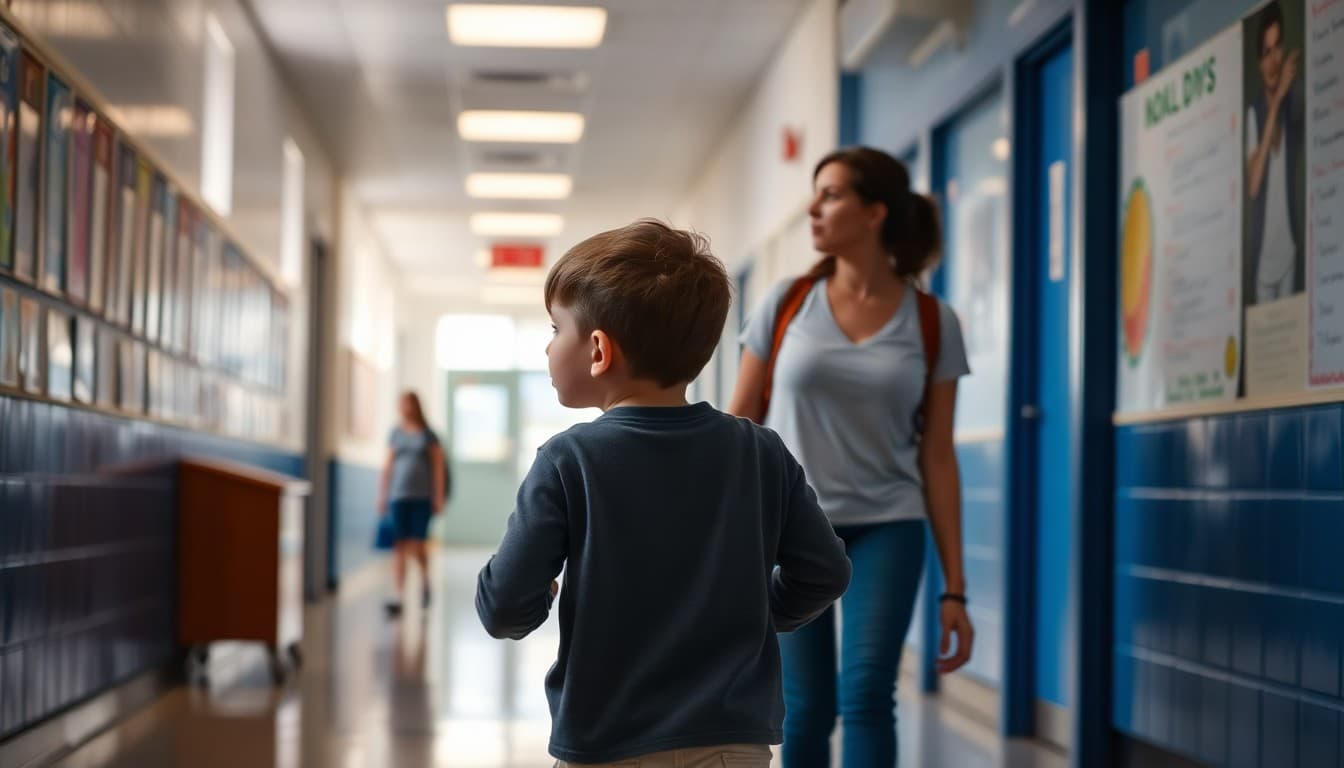
One of the most practical things a family can do before kindergarten starts is visit the school. For most children, the anxiety about school is really anxiety about the unknown: an unfamiliar building, an unfamiliar routine, unfamiliar people. A school visit replaces that unknown with something specific and real. This newsletter covers how to make the most of that visit.
The four spaces that matter most
Your child will spend the most time in four physical spaces: the classroom, the bathroom nearest the classroom, the cafeteria, and the playground. Make sure the visit covers all four.
The bathroom is particularly important for five-year-olds. A child who does not know where the bathroom is or how to ask to use it without embarrassment is a child who may hold it for hours rather than asking. That leads to accidents and distress. Walking to the bathroom and practicing the sequence once during the visit removes that barrier entirely.
Meet the teacher if possible
If the teacher is available during the visit, even a two-minute introduction makes a significant difference. A child who can say "I already met my teacher" walks in on the first day with a piece of the social world already familiar. If a meeting is not possible, a photo of the teacher sent home before school starts serves a similar purpose.
Let your child lead parts of the exploration
Ask your child what they want to see rather than narrating everything yourself. What do they want to find? Where do they want to go first? A child who chooses where to look during the visit is more engaged and more likely to remember what they learned than one who is led through a tour.
Give them specific things to find: the cubby with their name, the place where the books are, the reading corner they heard about. Giving a shy child a small task during the visit can ease the social pressure of meeting new people.

Ask the practical questions
The visit is the right moment to ask the logistics questions that determine whether the first week goes smoothly. Where does drop-off happen and who will be there? What does the child do when they first arrive in the morning? Where do they go if they feel sick? What happens if they need to cry?
These questions feel small but they answer the specific things most kindergartners and parents worry about in the days before school.
Talk about the visit afterward
In the days after the visit, bring up specific things your child noticed or mentioned. "Remember the reading corner with the bean bags? I wonder which books are in there." These references keep the school concrete and positive in the weeks before the year starts.
If the school does not offer a formal visit
Call the main office and ask. Most schools will accommodate a brief family walkthrough during the summer even without a formal orientation event. If a physical visit truly is not possible, photos of the classroom, the teacher, and the building found on the school's website or social media serve a real function. The goal is to replace the unknown with something specific.
Get one newsletter idea every week.
Free. For teachers. No spam.
Frequently asked questions
Why is a school visit helpful for kindergartners before the year starts?
Anxiety about the unknown is one of the biggest drivers of kindergarten school avoidance. A child who has physically been in the school building, seen the classroom, located the bathroom, and met the teacher has replaced an abstract worry with a concrete picture. That picture is almost always less scary than what the child imagined.
What should I prioritize showing my child during a school visit?
The classroom, the bathroom nearest to the classroom, the cafeteria, and the playground. These are the four spaces your child will use every day, and the unfamiliarity of any one of them can become a source of anxiety. If the teacher is available to meet briefly, that is a significant bonus.
What questions should families ask during a kindergarten school visit?
Ask where children go when they arrive in the morning, what the drop-off procedure is, where they go when they need the bathroom during class time, what a typical morning looks like, and what to do if a child is upset at drop-off. These practical logistics are the most anxiety-reducing information for families.
What if the school does not offer a formal orientation visit?
Most schools allow families to walk the grounds and view the building exterior even outside of formal visits. Call the main office and ask if there is a time to walk through the building or at least the hallways. Many schools will accommodate a brief informal visit for anxious families. If nothing is available, photos of the school, classroom, and teacher found on the school website can serve some of the same purpose.
How does Daystage help teachers communicate orientation and visit information to incoming families?
An invitation newsletter sent through Daystage can describe the school visit or orientation event, what to bring, what will happen, and how to prepare your child for the visit. A well-designed newsletter like this reduces no-show rates and ensures families arrive knowing what to expect, which makes the event itself more useful.

Adi Ackerman
Author
Adi Ackerman is a former classroom teacher and curriculum writer with 8 years in K-8 schools. She writes about school communication, parent engagement, and what actually works in real classrooms.
More for Kindergarten Transition
Kindergarten Transition Newsletter: Is My Child Ready? A Real Guide
Kindergarten Transition · 6 min read
Kindergarten Transition Newsletter: First Day Tips for Families
Kindergarten Transition · 6 min read
Kindergarten Transition Newsletter: Meet Your Kindergarten Teacher
Kindergarten Transition · 6 min read
Ready to send your first newsletter?
3 newsletters free. No credit card. First one ready in under 5 minutes.
Get started free