

Kindergarten Transition Newsletter: Meet Your Kindergarten Teacher
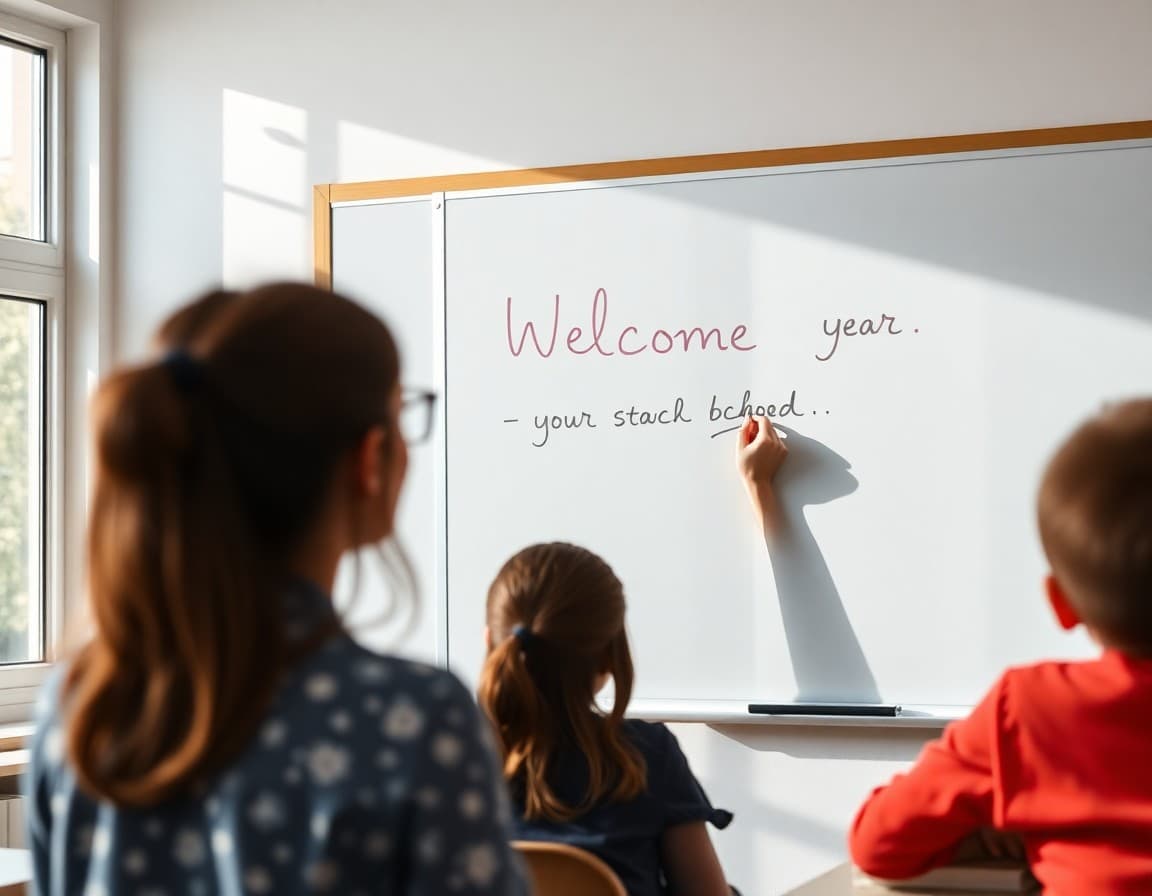
The introduction newsletter a kindergarten teacher sends before the school year starts is often the first impression a family has of who you are. It sets the tone for the entire year's communication relationship. A letter that is warm, honest, and specific does something that no orientation event or school brochure can do: it makes a family feel that their child is going to a particular teacher, not just to kindergarten.
Start with who you are, not with logistics
The first paragraph of your intro letter should be about you as a person. Why do you teach kindergarten? What is it about this age that keeps you coming back? What are you genuinely looking forward to about this year? One or two specific, personal sentences at the top of the letter do more for family confidence than any credential or achievement you could list.
"I have been teaching kindergarten for eight years and I still get excited when a child sounds out their first word independently. That moment is why I do this job." That sentence tells families everything they need to know about what kind of classroom they are entering.
Tell them what you are excited about for this year
Share one or two specific things you are planning or excited about. A new science unit, a classroom library section you just built, a community project you have in mind. Specifics communicate that you have already been thinking about this particular group of children. That is more reassuring than a generic description of your teaching philosophy.
Describe the communication rhythm they can expect
Tell families upfront what communication to expect from you and when. "I send a newsletter every Friday that covers what we worked on during the week and includes one thing families can try at home." That sentence sets a concrete expectation and signals that you take home-school communication seriously.
Also tell them how to reach you: email, a communication app, a note in the folder. And be honest about response times. "I check email after school each day. For urgent questions, please call the main office." Realistic expectations prevent the anxiety of a family waiting two days for a response they expected in an hour.

Cover the first-day logistics
Include the specific drop-off information: where to enter, what time, where you will be, what happens if a child is upset. These logistics answer the questions most families are too nervous to ask and are more useful than any inspirational statement about the year ahead.
A simple template:
"Drop-off is at the main entrance starting at eight a.m. I will be at the door to greet you. Come directly to Room 102. If your child is having a hard drop-off, I will meet them at the door with a job to do. Most children settle within five minutes. I will send a quick note if yours takes longer."
Include what to tell your child
This section is in very few intro letters and it is one of the most useful things you can include. Give families two or three specific things to say to their child to prepare them: your name, one thing in the classroom you know children will enjoy, a description of what drop-off looks like.
Close with genuine warmth
End the letter the way it started: personally. Tell families you are looking forward to meeting their child specifically, not generically that you are "excited for a great year." A closing that sounds like you means it outperforms one that sounds like every other intro letter every time.
Get one newsletter idea every week.
Free. For teachers. No spam.
Frequently asked questions
When should a kindergarten teacher send an introduction newsletter?
Two to three weeks before the first day of school. This timing gives families something concrete to tell their child about who the teacher is, reduces the unknown that drives most pre-school anxiety, and sets the tone for the communication relationship before the year begins. A teacher who reaches out in August communicates that family connection matters.
What should a kindergarten teacher introduction newsletter include?
Your name and how to pronounce it if it is unusual, a brief personal note about why you teach kindergarten, one or two things you are planning or excited about for the year, what communication to expect from you and how often, and specific information about the first day including where to go, what to bring, and what drop-off looks like.
Should a kindergarten teacher include personal information in the intro newsletter?
A small amount of personal information humanizes the teacher and makes families feel they are entrusting their child to a real person rather than a role. A sentence about your family, a pet, or what you did over the summer is appropriate and valuable. You do not need to share your life story. One or two specific personal details are enough to make the letter feel like it came from a person.
What is the one thing most kindergarten intro letters leave out?
What to tell your child. Most teacher intro letters describe the teacher and the classroom. Very few include two or three specific things the family can say to their child to prepare them. That section, something like "here is what you can tell your child about our classroom," is the most actionable part of the whole letter for most families.
How does Daystage make it easy to send a beautiful intro newsletter before the school year starts?
Daystage has templates designed for school newsletters that look polished and professional without requiring design skills. A teacher can write the introduction letter, add a photo, and send it directly to every family in minutes. The result looks better than a plain email and builds confidence in the communication relationship before school even starts.

Adi Ackerman
Author
Adi Ackerman is a former classroom teacher and curriculum writer with 8 years in K-8 schools. She writes about school communication, parent engagement, and what actually works in real classrooms.
More for Kindergarten Transition
Kindergarten Transition Newsletter: First Day Tips for Families
Kindergarten Transition · 6 min read
Kindergarten Back to School Newsletter: The First One You Send
Kindergarten Transition · 7 min read
Kindergarten Transition Newsletter: Is My Child Ready? A Real Guide
Kindergarten Transition · 6 min read
Ready to send your first newsletter?
3 newsletters free. No credit card. First one ready in under 5 minutes.
Get started free