
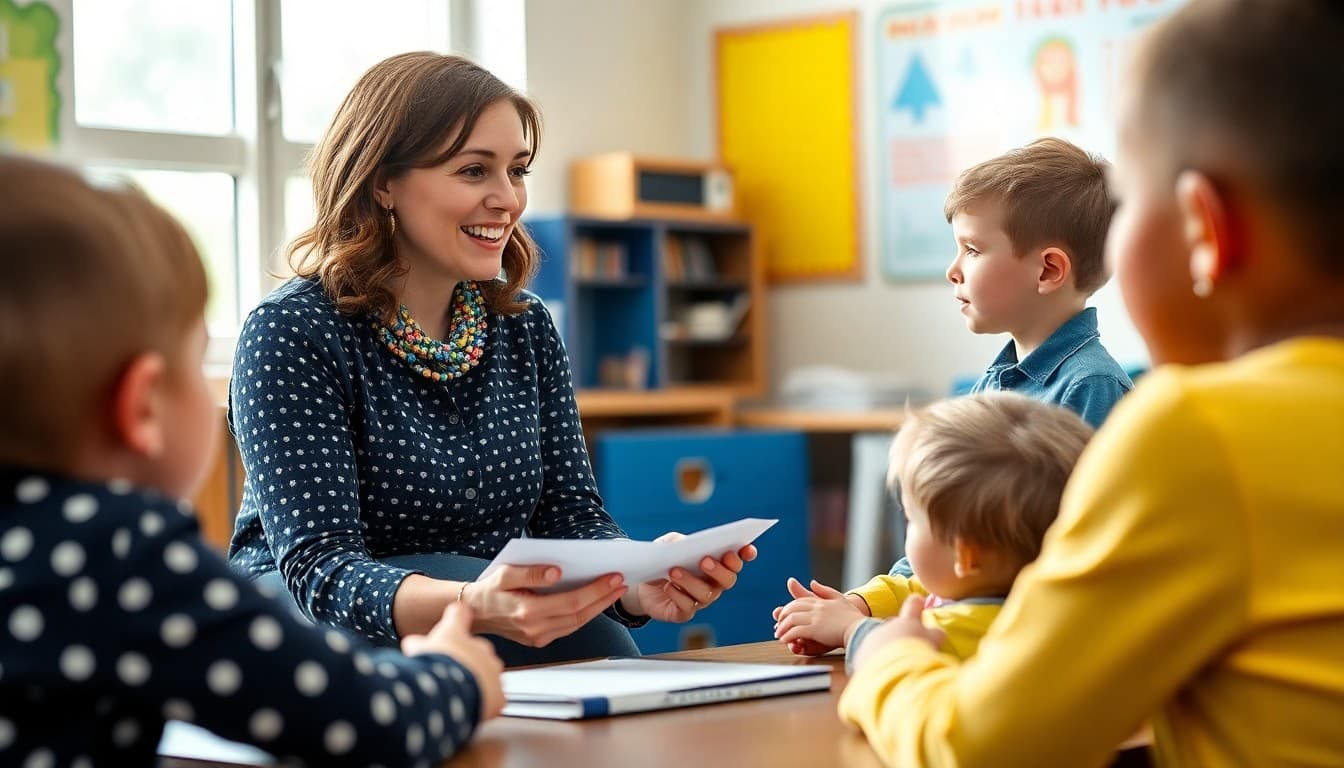
Kindergarten Special Education Inclusion Newsletter
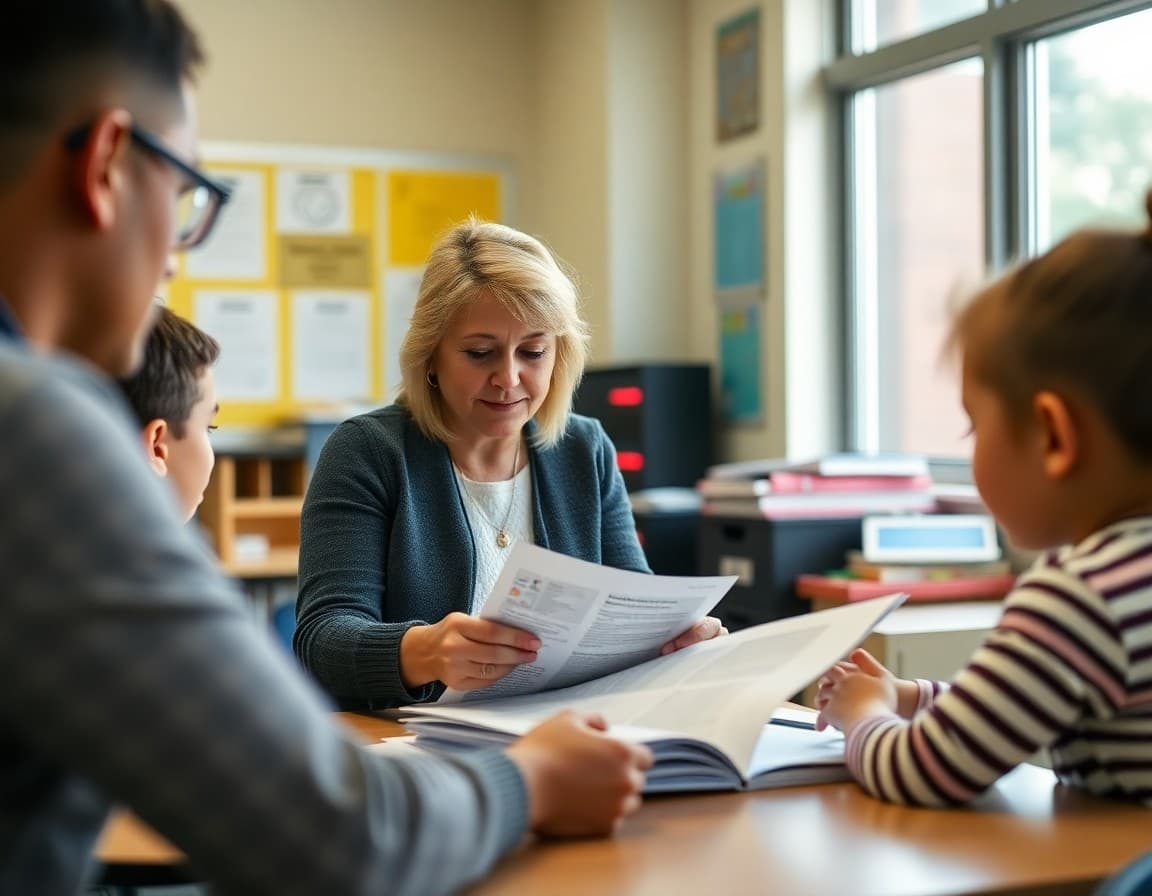
Inclusive classrooms work best when all families understand the approach, not just the families of students who receive direct special education services. A class-wide inclusion newsletter helps general education families understand why the classroom looks and functions the way it does, helps families of students with IEPs feel less isolated, and builds the social norms that allow every student to belong.
This guide covers how to write a kindergarten inclusion newsletter that communicates clearly, maintains every student's privacy, and positions inclusive practices as a benefit to the whole class community.
The Purpose of the Inclusion Newsletter
This newsletter is not primarily about students with disabilities. It is about the classroom community and how it is designed to support every learner. Leading with that framing changes the tone entirely. Instead of explaining something unusual, you are describing the classroom approach that was designed with every student's needs in mind.
Open with something like: "Our kindergarten classroom is built on the principle that every child learns best in a community where differences are expected, accommodated, and valued." This signals the philosophy before describing the practices.
Describing Inclusive Practices for All Families
Describe the specific instructional practices in the classroom that support diverse learners. These are practices that benefit every student: visual schedules, flexible seating, multiple ways to demonstrate learning, sensory tools, movement breaks, partner work, and small group instruction. Frame each as a classroom design choice, not as an accommodation for specific students.
"We use visual schedules throughout the day so every student knows what to expect next. Predictability helps children feel safe, and feeling safe helps them learn."
Sample Newsletter Section Excerpt
Here is how an inclusion newsletter section might read:
Our approach to supporting every learner:
Our classroom community includes children who learn in a wide variety of ways. Some students process information best through movement. Some need more time to respond to questions. Some learn more effectively through visual supports. Rather than treating these differences as problems to solve, we design the classroom to work well for all of them from the start.
What this looks like in our classroom:
- A visual daily schedule posted at eye level
- Flexible seating options including floor cushions and standing space
- Calm-down corner for self-regulation breaks
- Multiple ways to respond: verbal, written, drawn, or built
- Small group instruction for focused skill practice
A note on differences: Your child may notice that some students get additional help or do things differently. Please help them understand that people learn in different ways, and that getting support when you need it is a strength. If your child has questions, encourage them to ask me directly.
What Families Can Do to Support an Inclusive Community
Families shape the social norms their children bring to school. A brief section inviting families to reinforce inclusive values at home is appropriate and effective. Suggest specific language families can use when their child mentions a classmate receiving help or doing something differently. "That's how [classmate] learns best" or "Everyone needs different kinds of help sometimes" are responses that normalize difference without overexplaining it.
When Families Have Questions About Their Own Child
The inclusion newsletter should include a brief note about how to reach the teacher with questions specific to their own child. Some families reading a general inclusion newsletter will be wondering whether their child qualifies for services or whether their child's differences are being supported. A direct line to that conversation is appropriate: "If you have questions about how your child is being supported in the classroom, please reach out to schedule a conversation."
The Language That Matters
Use person-first language in the newsletter when referring to students with disabilities: "a student with autism" rather than "an autistic student." Some disability communities prefer identity-first language, but person-first is the standard in most educational contexts. More importantly, never describe specific students in the newsletter, and never use clinical labels when general descriptions suffice.
Get one newsletter idea every week.
Free. For teachers. No spam.
Frequently asked questions
What can a class-wide inclusion newsletter share about special education without violating privacy?
A class-wide newsletter can describe the general approach to inclusive education, the types of support available in the classroom, the philosophy behind inclusion, and how all students benefit from diverse learning environments. It cannot share any information about specific students' IEPs, evaluations, disability labels, or support plans. Individual student information belongs in direct communication with that student's family only.
How do you explain inclusion to kindergarten families who may not understand what it means?
Frame inclusion as a benefit for all students, not just those with disabilities. 'Our classroom is designed to support every learner. When we use more visual directions, more movement breaks, and more hands-on activities, every student learns better - not just the students who need those supports most.' This framing reduces stigma and builds community understanding without focusing on any specific child.
Should the newsletter address how children talk to each other about disabilities?
A brief, age-appropriate section on this is valuable and often welcomed by families. At the kindergarten level, you might note: 'Children may notice that some classmates get extra help or do things differently. We encourage children to ask their teacher about this directly rather than asking other students. You can reinforce at home that people learn in different ways, and that getting help when you need it is a strength.'
How do you balance communicating about inclusion without making families of children with IEPs feel spotlighted?
Keep all language at the classroom and program level. Never phrase inclusion as something the class is doing for specific students. 'Our classroom supports a wide range of learners' is inclusive language. 'We have students with special needs who receive additional support' puts a spotlight on a subset of students. The difference matters.
How can Daystage help with special education newsletters for families?
Daystage supports both class-wide newsletters and targeted sends to specific family groups. For special education communication, you can use Daystage to send the general classroom newsletter to all families and use a separate, more specific newsletter for direct IEP-related communication to individual families.

Adi Ackerman
Author
Adi Ackerman is a former classroom teacher and curriculum writer with 8 years in K-8 schools. She writes about school communication, parent engagement, and what actually works in real classrooms.
More for Kindergarten Transition
Kindergarten Academic Expectations Newsletter: What Families Need to Know About What Their Child Will Learn
Kindergarten Transition · 5 min read
Kindergarten Curriculum Overview Newsletter for Families
Kindergarten Transition · 6 min read
Kindergarten ELL Support Newsletter for Multilingual Families
Kindergarten Transition · 6 min read
Ready to send your first newsletter?
3 newsletters free. No credit card. First one ready in under 5 minutes.
Get started free