

Kindergarten Curriculum Overview Newsletter for Families
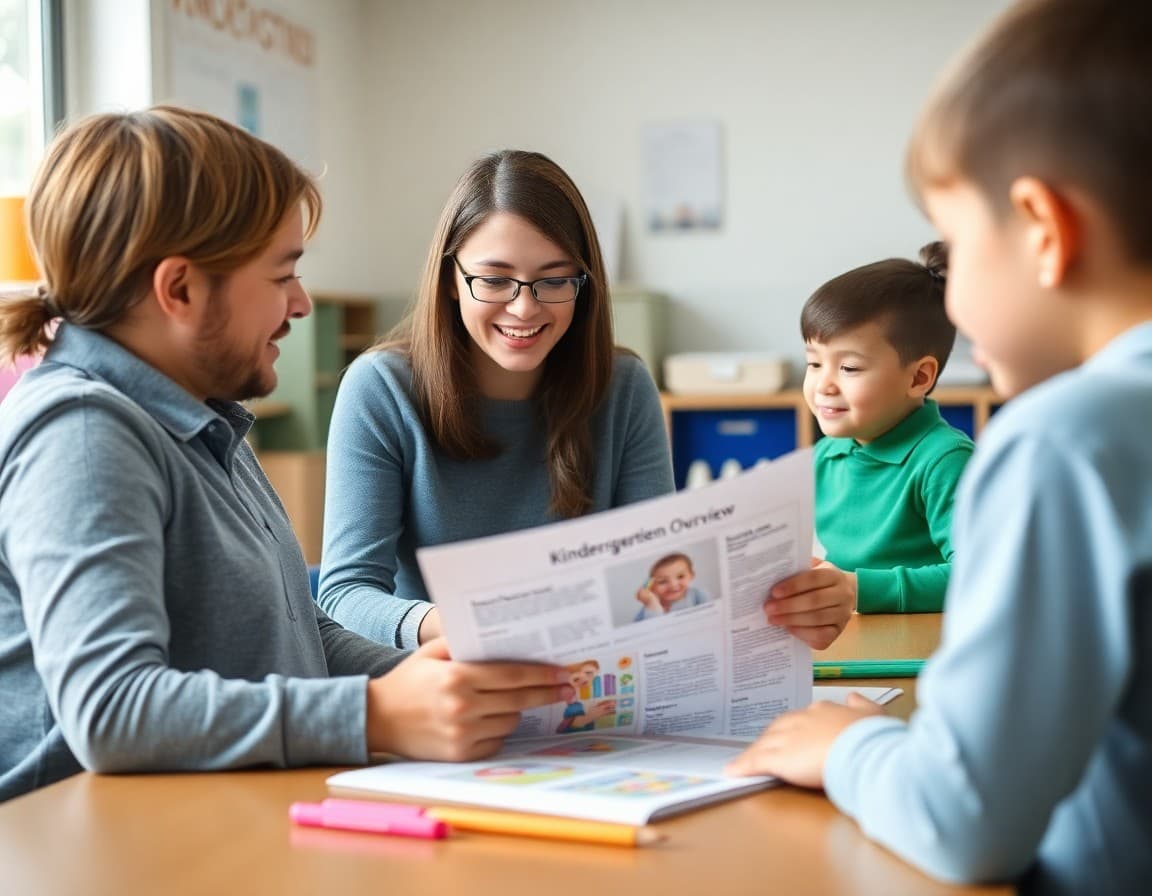
A kindergarten curriculum overview newsletter is one of the most valuable communications you will send all year because it shapes how families understand every report card, progress update, and conference conversation that follows. Families who understand the curriculum early can support learning at home in ways that are aligned with the classroom rather than in tension with it.
This guide covers how to write a curriculum overview newsletter that is thorough enough to be useful without being so dense that families stop reading halfway through.
Structure: One Section per Subject
Organize the newsletter by subject area with a clear heading for each. Families often want to find the section most relevant to their child's current strengths or concerns. A table of contents or clear headers make the newsletter scannable.
For each subject, cover three things: what students will learn, the approach used, and one or two things families can do at home. This three-part structure keeps each section focused and actionable.
Literacy and Reading
Describe the reading and writing curriculum in plain terms. What phonics sequence does your school use? What does independent reading look like in kindergarten? What does "writing workshop" mean at this level? Most families assume kindergarten literacy means letter recognition and basic phonics. Letting them know the scope, including that kindergarteners will be writing sentences by the end of the year, sets appropriate expectations.
Name the specific program if you use one: "We use the Fundations phonics program, which teaches letter sounds in a specific sequence. Your child will bring home phonics review cards periodically." This specificity helps families recognize the materials that come home and connect them to classroom learning.
Mathematics
Kindergarten math covers more than most families expect. Counting and number recognition, addition and subtraction within 10, measurement and comparison, and geometry are all kindergarten-level content. A brief overview of the year's math arc helps families understand why their child is still working on counting to 20 in October while also beginning to explore addition.
Name any specific strategies the class uses, such as ten frames or number lines, so families recognize them when their child tries to show them at home.
Sample Curriculum Overview Newsletter Section
Here is how a subject section might read:
Reading and Literacy
This year, our class will develop foundational reading skills through phonics, phonemic awareness, and guided reading practice. By June, most kindergarteners will be reading simple sentences and books independently.
We use the Fundations Level K phonics program, which teaches one or two letter sounds per week in a carefully sequenced order. Students also have daily read-aloud time, writing workshop, and partner reading practice.
At home: Read aloud to your child for at least 15 minutes daily. Ask them to identify sounds or letters they recognize. Do not correct invented spelling when they write - it is an intentional part of the learning process at this stage.
Science and Social Studies
Many kindergarteners have integrated science and social studies rather than dedicated blocks. Describe how these subjects are woven into literacy and math or into project-based learning. What units will students study? What will they observe, investigate, or create?
Assessment and Progress Reporting
This section addresses anxiety before it develops. Explain that kindergarten uses observational assessment and periodic academic screening rather than traditional grades. Describe when families will receive progress information: report card dates, conference windows, and any mid-year check-in newsletters. Families who know when and how they will hear about progress feel less compelled to ask the teacher at every pickup.
A Note About Play in Kindergarten
If play-based learning is a significant part of your kindergarten approach, include a brief explanation of why. Families who see their child playing and wonder if they are learning need this context. Frame it concretely: "When students sort blocks by color and size, they are practicing classification and early math skills. When they build towers and investigate why they fall, they are practicing engineering thinking. Play in our classroom is purposeful."
Get one newsletter idea every week.
Free. For teachers. No spam.
Frequently asked questions
When should a kindergarten curriculum overview newsletter go out?
The first week of school or during the back-to-school period before the year begins is ideal. Families of new kindergarteners are especially information-hungry in early September, and a curriculum overview newsletter meets that need before they start asking questions at pickup. Sending it before or during the first week signals organizational confidence and helps families feel informed from day one.
What subjects should the overview cover?
At minimum: reading and literacy, math, and any integrated science or social studies content. If your school has dedicated art, music, or physical education at the kindergarten level, include those too. Each subject section should be brief, three to five sentences that explain what students will work on and why it matters at this developmental stage.
Should the overview include information about assessments?
Yes, briefly. Families want to know how their child will be evaluated. A sentence explaining that kindergarten uses observational assessments and periodic screening tools rather than letter grades is useful context. If your school uses a specific assessment tool like DIBELS or mClass, name it with a plain-language explanation of what it measures and when families will receive results.
How do you explain kindergarten's learning through play approach to families who expect more traditional instruction?
Frame play as intentional and purposeful rather than optional or supplemental. 'Kindergarteners learn best through hands-on exploration and guided play. When your child builds a block tower, they are practicing spatial reasoning and measurement. When they play in the dramatic play center, they are developing language skills and social problem-solving' gives families a concrete picture of why play is instructional, not recreational.
How can Daystage help kindergarten teachers send a professional-looking curriculum overview newsletter?
Daystage lets you build a curriculum overview newsletter with subject sections, photos from the classroom, and a clean layout that looks polished on both desktop and mobile. You can send it directly to your class family list without going through an office coordinator.

Adi Ackerman
Author
Adi Ackerman is a former classroom teacher and curriculum writer with 8 years in K-8 schools. She writes about school communication, parent engagement, and what actually works in real classrooms.
More for Kindergarten Transition
Kindergarten Academic Expectations Newsletter: What Families Need to Know About What Their Child Will Learn
Kindergarten Transition · 5 min read
Kindergarten Back to School Newsletter Template (Free Download Guide)
Kindergarten Transition · 7 min read
Kindergarten Assessment Newsletter: How to Explain Assessments to Families Without Creating Test Anxiety
Kindergarten Transition · 5 min read
Ready to send your first newsletter?
3 newsletters free. No credit card. First one ready in under 5 minutes.
Get started free