
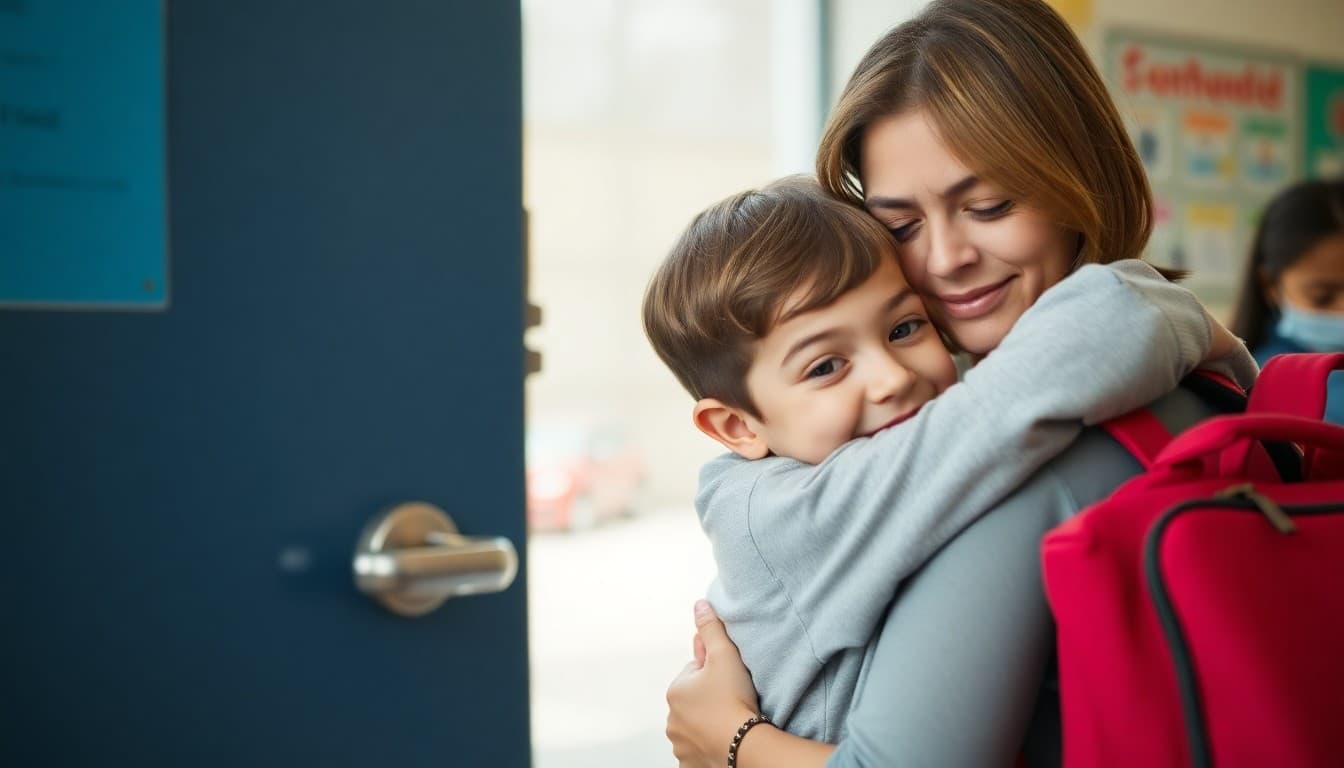
Kindergarten Separation Tips Newsletter: Easing the Goodbye
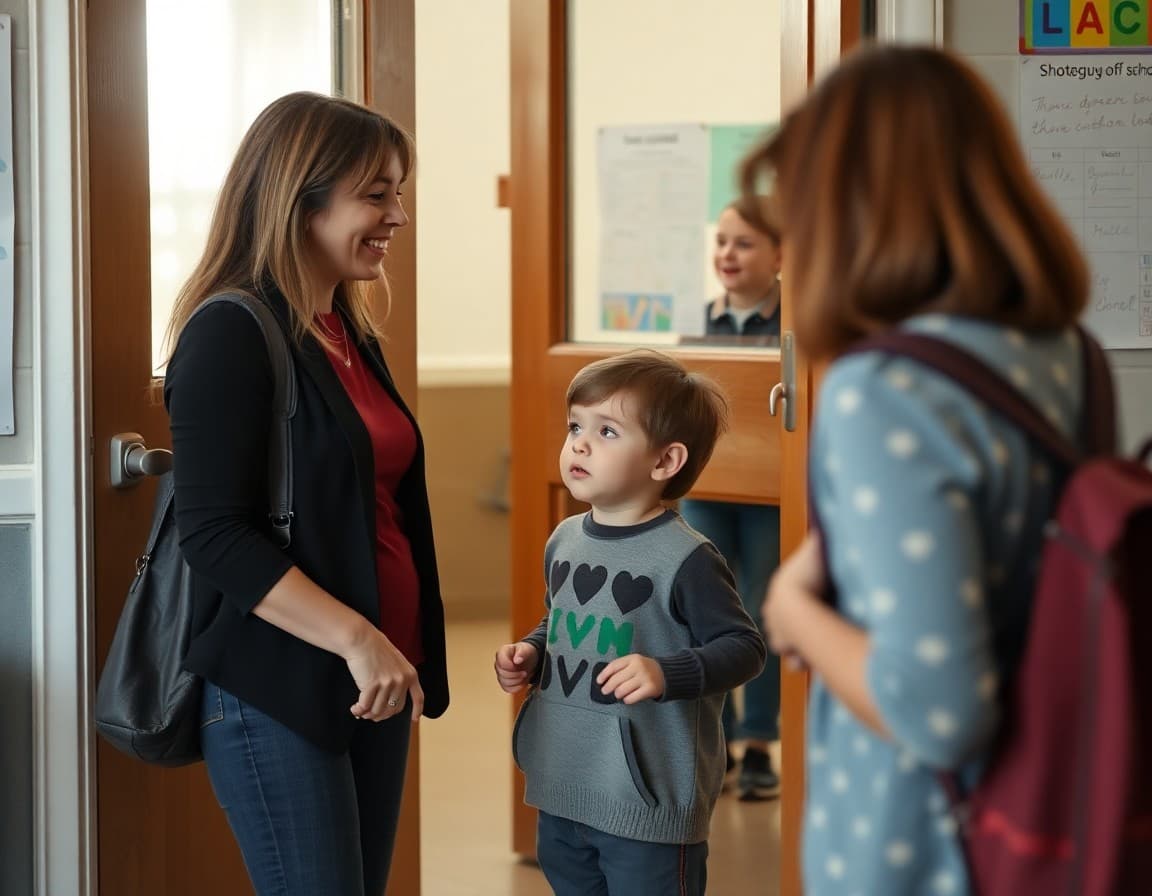
Separation anxiety at kindergarten drop-off is one of the most emotionally charged moments of the school year, for children and parents equally. A clear, empathetic newsletter about separation strategies helps families feel prepared rather than blindsided, and helps the school build a consistent approach with every family. Here is what to cover.
Normalize It Before Giving Advice
Start your newsletter by acknowledging that separation anxiety at kindergarten is normal. Not just normal, but developmentally appropriate. Children who have secure attachments to their caregivers show separation anxiety. It is a sign of healthy bonding, not a sign that something is wrong with the child or the family.
A brief statement: "It is entirely normal for children to cry at drop-off for the first week or two of kindergarten. It is also normal for some children to walk in without looking back. Both responses are fine. What matters is building a consistent, warm routine that helps each child trust that school is safe and that their caregiver will return."
The Science of the Goodbye: Keep It Short
The most common and most harmful mistake at drop-off is prolonging the goodbye. A parent who keeps returning to comfort a crying child is communicating, without intending to, that there is something worth being afraid of. The most effective drop-off is: arrive on time, follow the classroom arrival routine, say goodbye with warmth and confidence, and leave.
This does not mean being cold or dismissive. Acknowledge the child's feelings in one sentence: "I can see you are feeling nervous. That makes sense. I love you. I will see you at the blue door at 3:15." Then leave. If you are watching from a window or hovering in the hallway, the child can often sense it and remains activated rather than settling. Trust the teacher and walk away.
Build a Goodbye Ritual Before School Starts
Children with anxiety often do better when the goodbye is predictable and bounded by a specific ritual. Suggest families develop their ritual in the week before school starts and practice it. The best goodbye rituals are: short (under 60 seconds), physical (a hug, a high five, a secret handshake), verbal (a specific phrase both the parent and child say), and followed immediately by the parent leaving.
Some families find that a countdown helps: "Three hugs, three kisses, say I love you, and I go." The child knows exactly what is coming and when it ends. This predictability reduces the open-ended anxiety of "when is my parent going to leave?" into a concrete, manageable sequence.
Prepare a Transition Object
For children with significant separation difficulty, a transition object in the backpack or pocket can serve as a physical connection to home while the child is at school. A small soft toy, a laminated family photo, or a stone the child picked from the garden all work. The object is not about distraction. It is about giving the child something tangible to reach for when the feeling of missing home is strong.
Include this tip in your newsletter with a note to families that they should ask the teacher whether transition objects can come to the classroom or should stay in the backpack. Different teachers have different approaches, and coordinating this prevents the situation where a child is told to put their comfort object away without the teacher knowing it is a separation support tool.
Coach Families on Their Own Feelings
Parent anxiety at drop-off directly transmits to children. A parent who is visibly struggling to leave, or who is crying at the classroom door, is communicating that the separation is dangerous. This is worth naming gently in your newsletter: "Your feelings about this transition are real and valid. Kindergarten is a milestone. It is okay to feel emotional. The key is to keep those feelings private until after you have said goodbye and left the building."
Suggest that parents who are finding drop-off emotionally difficult reach out to another parent, call a friend, or have a coffee shop they go to immediately after drop-off where they can process the feeling before starting their day. This is not minimizing the parent's experience. It is protecting the child from absorbing it.
What the Classroom Team Will Do
Families feel more confident about drop-off when they know what happens after they leave. Describe what the classroom approach is for children who are distressed: "When a child is upset at drop-off, I will greet them at the door, take their hand, and guide them to a specific activity I have set up for them. Within about 10 minutes, almost every child is engaged and the distress has passed. You are welcome to call the office mid-morning if you are concerned, and we will tell you honestly how your child is doing."
Offering a mid-morning check-in option specifically for anxious families is reassuring without being an open invitation for 30 calls a day. Most parents who know the option exists do not need to use it.
When to Be Concerned
Most separation anxiety resolves in 2-4 weeks with consistent routine. A brief paragraph in your newsletter about when to seek additional support: if drop-off distress is not improving by the second month, if the child is experiencing physical symptoms on school mornings (stomach pain, vomiting, headaches), or if separation anxiety is spilling into other areas of the child's life beyond school. In those cases, a conversation with the teacher, school counselor, and pediatrician is warranted.
Get one newsletter idea every week.
Free. For teachers. No spam.
Frequently asked questions
How long does kindergarten separation anxiety typically last?
For most children, separation difficulties peak in the first 2-3 weeks and largely resolve by the end of the first month. A small number of children take 6-8 weeks to fully settle. If separation distress is severe, persists past the two-month mark, or involves physical symptoms like stomachaches or vomiting on school mornings, that is worth discussing with your pediatrician. Developmentally typical separation anxiety is temporary and responsive to consistent routine.
What should a parent do if their child refuses to let go at drop-off?
Stick to the goodbye. Prolonging the separation by staying or returning to comfort does not help and typically makes the next morning harder. If the child is physically resistant, work with the teacher on a classroom transition strategy: the teacher greets the child at the door, the parent hands off quickly, and the parent leaves before the child has fully disengaged from them. A teacher who takes the child's hand confidently while the parent says a firm goodbye is the most effective intervention.
Are goodbye rituals helpful for anxious kindergartners?
Yes. A consistent, short goodbye ritual gives anxious children a known endpoint to the separation. Options include: a specific hug count (three hugs), a secret handshake, a verbal script ('I love you, see you at the blue door at 3:15'), or a comfort object the child keeps in their pocket. The ritual signals the goodbye is happening and provides predictability. Keep it under 60 seconds to avoid extending the anxiety window.
Should children with separation anxiety be allowed to bring a comfort object to school?
For the first few weeks, a small comfort object in the backpack or pocket can be enormously helpful. A soft toy, a photo of a family member in a clear pocket card, or a small rock from the garden gives a child something tangible to hold when they feel uncertain. Most children stop needing it once the school routine becomes familiar. Ask the teacher whether comfort objects are permitted in the classroom or if the backpack is the preferred location.
How can Daystage help with sending a separation tips newsletter to families?
Daystage lets you send a separation tips newsletter to all incoming kindergarten families before the first day and then again at the end of week one as a check-in. You can include specific strategies, a note about what the classroom team will do to support the transition, and an invitation for families to contact you if separation is particularly difficult for their child.

Adi Ackerman
Author
Adi Ackerman is a former classroom teacher and curriculum writer with 8 years in K-8 schools. She writes about school communication, parent engagement, and what actually works in real classrooms.
More for Kindergarten Transition
Ready to send your first newsletter?
3 newsletters free. No credit card. First one ready in under 5 minutes.
Get started free