
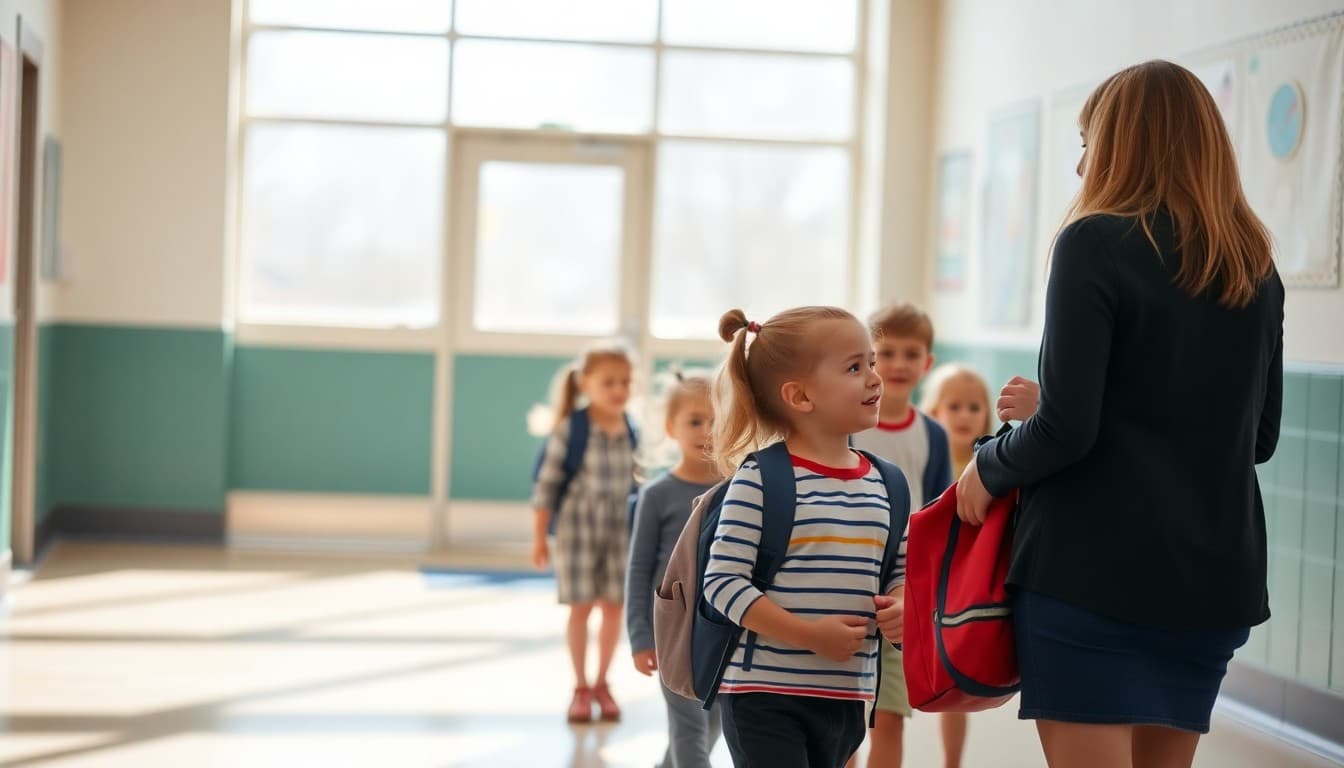
Kindergarten School Visit Newsletter: Tour Our Building

A kindergarten school visit in the weeks before the year starts is one of the most effective transition tools available. Children who have seen the classroom, sat in a desk, located the bathroom, and met the teacher in a low-pressure context show measurably less anxiety at drop-off on the first day. The newsletter inviting families to that visit sets the tone for how they experience the school from the very beginning.
Lead With Why the Visit Matters
Many families will see a school visit invitation and wonder whether it is necessary, especially if they are managing a busy summer schedule. Lead your newsletter with a brief, honest explanation of why the visit reduces first-day stress: "Children who see their classroom before the first day are calmer at drop-off. Familiar spaces feel manageable. Unknown spaces feel scary. This 30-minute visit turns the unknown into the familiar." One paragraph. No jargon. That is enough to motivate attendance.
Describe the Visit Itinerary
Families with anxious children or children who need predictability will come prepared if they know what to expect. Describe the visit format: where to arrive, who will greet them, what they will see (classroom, hallways, bathroom, cafeteria, playground), whether the teacher will be present, and how long the visit lasts.
If you are running the visit as an open house with drop-in hours, say so. If you are scheduling specific time slots, explain the sign-up process. A visit that families can attend without an appointment is more accessible, but specific slots prevent crowding and ensure adequate staff attention for each family.
Tell Children What the Visit Will Feel Like
In your newsletter, include a short paragraph families can read to their children or paraphrase: "We are going to visit your new school. You will see the classroom where you will do activities every day. You will find out where the bathroom is and where your cubby will be. You can ask questions and look around at your own pace." This language is specific enough that a 4-year-old can form a mental picture of what is coming.
Avoid language that sets competitive or evaluative expectations: do not say "you will show the teacher what you know" or "you will meet the friends you will sit with." These create performance anxiety. The visit is purely exploratory.
Suggest Questions Families Can Ask
First-time kindergarten families often do not know what to ask. A short list of suggested questions in your newsletter helps them come prepared and make the most of the visit:
"What does the morning arrival routine look like?" "Where do children go if they feel sick during the day?" "What should we do if our child is very upset at drop-off?" "What is a typical activity time block in kindergarten?" "How will I receive updates about how my child is doing in the first weeks?" These questions are the ones families wish they had asked but typically only think of after the visit ends.
Provide Logistics Without Ambiguity
Your newsletter should cover: the visit dates and times (all available options), where to park, which entrance to use, whether siblings are welcome, and whether there is any paperwork to complete. If the visit runs during school hours when other grades are in session, note that so families know to expect a populated building rather than an empty school.
Include a sign-up link or RSVP process if you are managing headcount for the visit. "Sign up for a visit time at [link] or call [number]" is sufficient. If the visit is open drop-in with no sign-up required, say that explicitly so families do not stay home assuming registration was required.
Address What Happens for Families Who Cannot Attend
Some families will be working, traveling, or managing other children during the scheduled visit dates. Your newsletter should acknowledge this: "If you cannot make it to either visit day, contact the office and we will schedule a brief walk-through for you before the first day. We want every child to feel familiar with the building before September."
Offering this alternative ensures the visit benefit is available to all enrolled families, not just those with flexible schedules. It also signals that the school is willing to accommodate individual family needs, which builds the trust that makes the whole kindergarten year smoother.
Follow Up With a Reminder
Send a reminder newsletter one week before the first visit date. Include the date, time, location, and a one-sentence reminder of why it is worth attending. A brief, warm reminder significantly increases actual attendance compared to relying on families to remember an email they received weeks earlier.
Get one newsletter idea every week.
Free. For teachers. No spam.
Frequently asked questions
Why do kindergarten school visits matter?
Children who visit the school building before the first day of school experience significantly less separation anxiety at drop-off. Familiarity with the physical space (the classroom, the hallway, the bathroom, the cafeteria) removes the unknown element that drives first-day fear. A 30-minute visit in June or August can meaningfully reduce the emotional difficulty of those first weeks for both the child and the family.
What should the kindergarten school visit include?
A good kindergarten school visit includes: the classroom where the child will learn (time to sit at a desk, explore the book corner, see the cubbies), the hallways including the path from the main entrance to the classroom, the bathroom the child will use, the cafeteria or lunch area, and the playground. Allow children to ask questions and explore at their pace rather than rushing through a checklist tour.
What should families do to prepare their child for the school visit?
Tell children the purpose of the visit in simple, concrete terms: 'We are going to see your new classroom and meet your teacher. You can look around and ask questions.' Frame it as an exciting preview, not as a test or a rehearsal. Bring any questions you or your child have about the daily routine, the classroom, or what to expect. Let the child lead the pace of exploration if possible.
Can families ask about specific worries during the school visit?
Yes, and encourage this in your newsletter. Common family worries that the school visit can address: what happens if a child needs to use the bathroom, what the drop-off process looks like, where parents pick up at the end of the day, whether there is time for a morning snack, and what the classroom behavior expectations are. A brief Q&A at the end of the tour is valuable for families processing the transition.
Can Daystage be used to send the school visit invitation newsletter?
Yes. Daystage lets you include an RSVP block directly in the newsletter so families can sign up for a specific visit time slot, track who has registered to ensure every new family is reached, and send reminder emails before the visit date. This is much cleaner than managing a paper sign-up sheet or fielding individual phone calls.

Adi Ackerman
Author
Adi Ackerman is a former classroom teacher and curriculum writer with 8 years in K-8 schools. She writes about school communication, parent engagement, and what actually works in real classrooms.
More for Kindergarten Transition
Ready to send your first newsletter?
3 newsletters free. No credit card. First one ready in under 5 minutes.
Get started free