
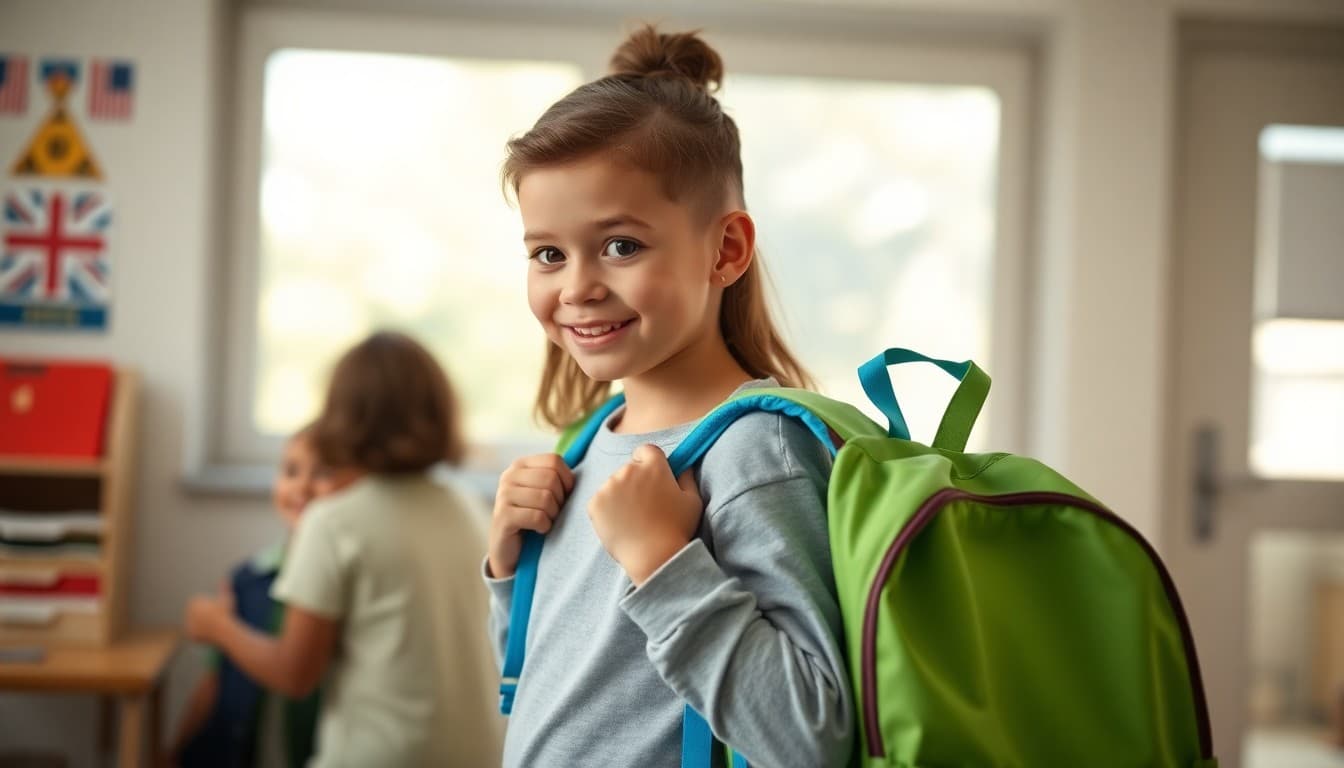
Kindergarten First Day Tips Newsletter: Making It Smooth
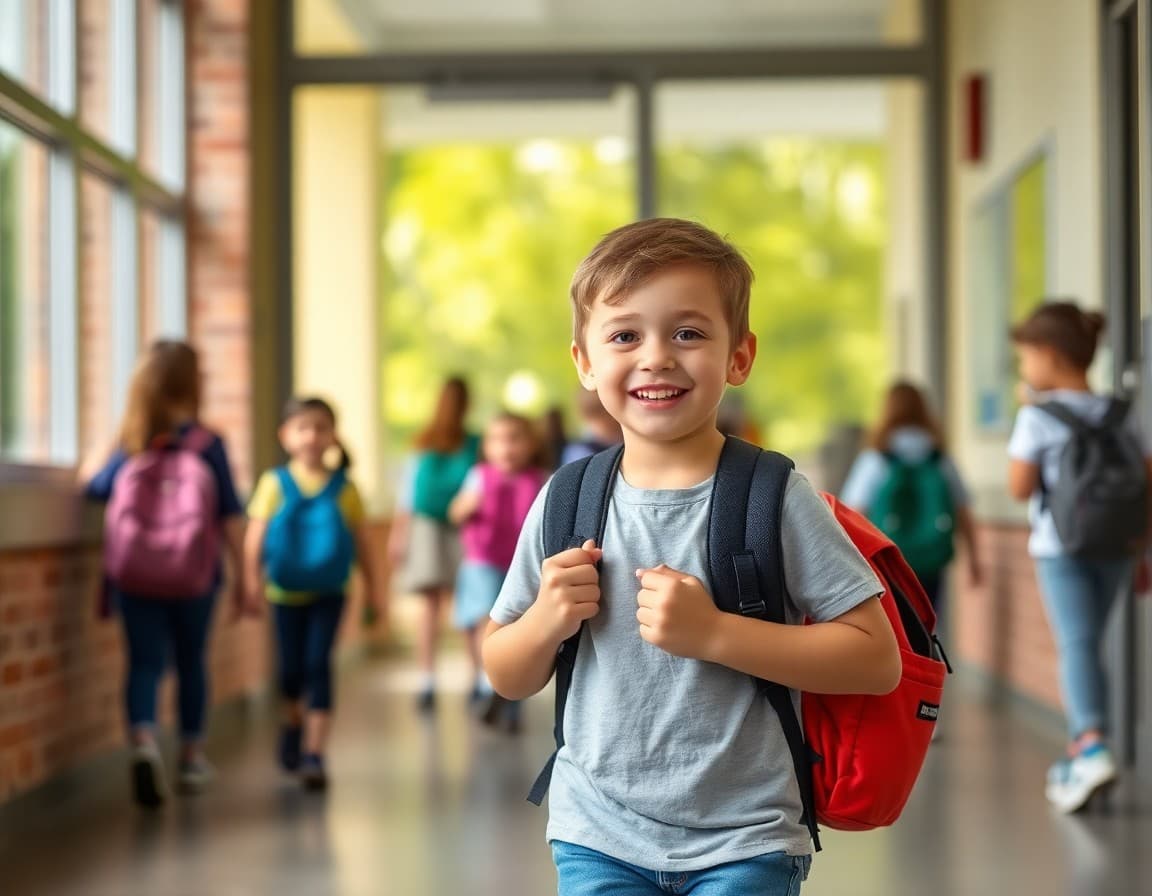
The first day of kindergarten is one of the most significant transitions in a child's early life. Families who receive clear, specific guidance in the days before go into it with more confidence and fewer last-minute questions. Here is what to cover in a first-day tips newsletter that actually helps.
The Night Before: Preparation Prevents Morning Chaos
The single most impactful first-day tip is simple: do everything the night before. Pack the backpack, lay out the clothes, prepare the lunch or snack, confirm where drop-off happens and what time to leave. Families who are scrambling to find a matching shoe at 7:50 AM arrive at school rushed, and a rushed drop-off is a harder drop-off.
In your newsletter, be specific about what the night-before checklist should include: labeled backpack with all required items, complete lunch or snack packed in clearly labeled containers, clothes for the next day including any special items like gym shoes if the child has PE, a confirmed departure time that accounts for traffic or unfamiliar parking, and anything the teacher requested families bring.
Plan a Calm Morning Routine
Recommend families build in 15 extra minutes the first week. Children move slower when they are nervous, spill things more often, and need more prompting than on a normal morning. An extra buffer means one spilled cereal bowl does not make the child late for the first day.
Breakfast tip: protein and complex carbohydrates rather than sugary options. A child on a blood sugar rollercoaster by 10 AM has a harder time emotionally than one whose breakfast is still fueling them. This is practical information families can act on.
Teach Children What to Do When They Arrive
Many kindergartners arrive at school and freeze because they do not know what they are supposed to do next. Include in your newsletter the exact arrival sequence: enter through which door, where to hang up the backpack, where to put the lunch box, where to sit. If possible, include a photo of the classroom entrance or morning routine setup so children can visualize it.
Tell families to practice this sequence at home the night before: "When you get to school, you will go to your cubby, hang up your backpack, put your lunch in the bin, and sit at the blue circle carpet." A child who has verbally rehearsed the sequence is less likely to freeze when they arrive.
Coach the Goodbye: Short, Confident, and Specific
This is the section most families need most. A prolonged goodbye at the classroom door is harder on the child than a brief, warm one. The formula that works: acknowledge feelings, say I love you, give the exact pickup time and location, and leave. "I know it feels big. I love you. I will be at the blue door at 3:15. Have a great day." Then walk away.
Reassure families: if their child cries at drop-off, it is normal. If they run in without looking back, also normal. Both are fine. Teachers are experienced at transitioning children from tearful to engaged within minutes of the goodbye happening. A child who cried at drop-off is almost always fine 10 minutes later.
Tell Families What Not to Do
Include a brief, gentle list of common first-day mistakes: do not linger at the classroom door after saying goodbye, do not promise to call or check the school camera during the day (this increases anxiety rather than reducing it), do not ask "did anyone bother you?" as the first question at pickup (this primes children to find something negative), and do not plan a demanding afternoon for the first week since kindergarten is exhausting for small people who are not used to it.
Prepare for the Pickup Conversation
Most kindergartners respond to "how was your day?" with "fine" or a shrug. Coach families to ask specific questions that open real conversation: "What was the funniest thing that happened today?" "Who did you sit near at snack?" "What was the hardest part?" "What did you do that you never did before?" These questions get better answers than the generic one.
Also prepare families for emotional meltdowns at pickup. It is common for children to hold it together all day at school and then fall apart the moment they see their caregiver. This is healthy regulation, not a sign that school was terrible. Children are safe in the presence of the person they trust most. Let them feel their feelings and feed them a snack.
End With an Invitation for Questions
Close your first-day tips newsletter with a warm note: "You are ready. Your child is ready. The first week is about learning the rhythm of school, and the rhythm takes a few weeks to fully settle. If something comes up, email me. I check messages in the evening. We are in this together." This closing reaffirms the partnership and gives families a clear path to communicate.
Get one newsletter idea every week.
Free. For teachers. No spam.
Frequently asked questions
What is the most important thing parents can do on the first day of kindergarten?
Stay calm at drop-off. Children read their caregiver's emotional state. A parent who is tearful, hesitant, or visibly anxious at the door transmits that anxiety directly to the child. Acknowledge any feelings your child has, give a confident goodbye with a specific pickup time ('I will be here at the blue door at 3:15'), and leave promptly. Prolonged goodbyes make separation harder, not easier.
What should children eat before the first day of kindergarten?
A protein-based breakfast that avoids blood sugar spikes and crashes. Eggs, peanut butter toast, yogurt, or oatmeal all work well. Avoid sugary cereals or pastries that cause energy highs followed by mid-morning crashes. Children who are hungry and blood-sugar-depleted by 10 AM have a much harder time regulating emotionally than those who had a stable breakfast.
What should be in a kindergartner's backpack on the first day?
Pack the night before to reduce morning stress. Standard first-day contents: labeled change of clothes (accidents happen in week one), a healthy snack in a clearly labeled container, lunch if your school does not provide one, a water bottle, any completed paperwork the school requested, and any comfort item the teacher has approved. Remove anything from the backpack that is not needed so the child can navigate it independently.
What should parents say to their child on the first morning?
Keep the conversation positive and factual, not performatively cheerful or dismissive of any nervousness. 'You are going to meet your teacher and see your classroom today. I will be thinking about you. I will pick you up at [specific time and place].' Giving the pickup time and location concretely helps children who are anxious about when they will see you again. Avoid 'it will be amazing' promises that set up disappointment if the day is just okay.
Can Daystage help with sending a first-day tips newsletter to kindergarten families?
Yes. Daystage lets you schedule the first-day tips newsletter to go out the evening before the first day of school, so families have it in their inbox when they are doing final preparations. You can also schedule a follow-up newsletter for the end of the first week with a check-in on how the transition is going and any adjustments to the week-two routine.

Adi Ackerman
Author
Adi Ackerman is a former classroom teacher and curriculum writer with 8 years in K-8 schools. She writes about school communication, parent engagement, and what actually works in real classrooms.
More for Kindergarten Transition
Ready to send your first newsletter?
3 newsletters free. No credit card. First one ready in under 5 minutes.
Get started free