
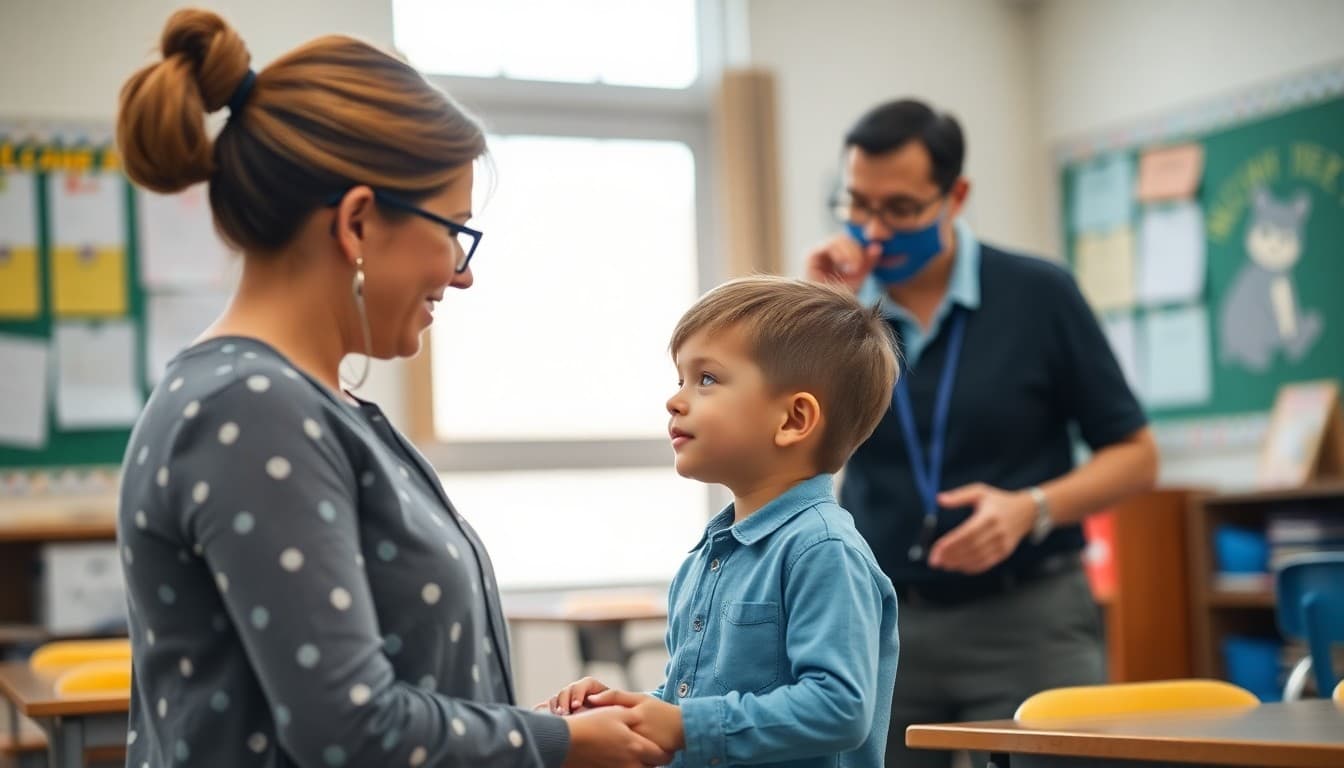
Kindergarten Developmental Screening Newsletter for Families

Kindergarten developmental screening is one of the most valuable tools schools have for understanding each incoming child and preparing appropriate support. But the word "screening" worries many families. A clear, warm newsletter that explains what the process actually involves, why it is beneficial, and how to prepare their child reduces anxiety and sets the stage for a positive first experience with your school.
Lead With Reassurance About What Screening Is
Your first paragraph should answer the question most families are already asking: "Is my child going to be tested?" The answer is no, not in the way the word test implies. Open your newsletter with a direct statement: "Kindergarten screening is a brief, play-based visit where a school staff member gets to know your child. There are no right or wrong answers, and the results are used only to help us plan the best possible support for your child in their first year."
This framing removes the evaluation anxiety that causes some families to skip the screening entirely or to show up defensively. When families understand that screening is designed to help their child rather than judge their child, they become partners in the process.
Describe Exactly What Happens During the Screening
Families do better when they can picture what is going to happen. Describe the screening session in specific terms: who will be in the room (a trained school staff member or early childhood specialist), where it takes place (typically a kindergarten classroom or assessment room), how long it takes (usually 20-30 minutes), and what activities the child will engage in.
Sample description: "Your child will sit at a small table with one of our staff members. They will play matching and sorting games, look at pictures and name them, draw some lines and shapes, and build a brief structure with blocks. The screener will talk with your child and observe how they interact. You may wait in the lobby or, for children who need it, in the room." Specificity reduces fear of the unknown.
Tell Families How to Prepare Their Child Without Over-Coaching
The best preparation is low-key. Recommend that families: tell the child they are visiting the school and will play some games with a friendly teacher, make sure the child is well-rested and has eaten before the appointment, avoid using the word "test" or creating performance expectations, and bring a small comfort item if the child is a homesick type in new environments.
Explicitly advise against drilling letters, numbers, or shapes the night before. The screening observes natural developmental patterns. A child who has been nervously coached responds differently than a child who approaches the session with natural curiosity. Coaching can actually obscure the screener's view of what the child genuinely understands.
Explain What Information Is Gathered and Why
Families want to understand why the school is asking these particular questions and what they do with the answers. A brief explanation: "We look at a few key areas because they predict how children engage with early academic instruction. Language skills help us understand how your child communicates and processes information. Fine motor skills matter for writing and art activities. Social skills affect how your child works with peers and follows classroom routines. Early academic awareness shows us what concepts your child has already encountered."
Then explain the outcome: "We use this information to plan our classroom groupings and instructional approach. If screening suggests a child might benefit from additional support, we will reach out to discuss this with you before school starts."
Address the Process for Children With Known Developmental Differences
For families whose children have existing diagnoses, IEPs from preschool, or known developmental differences, the screening process may look slightly different. Include a brief paragraph: "If your child has an existing Individualized Education Program from preschool or another early childhood program, please bring that document to the screening appointment. Our special education team will reach out separately to ensure a smooth transition with the right supports in place from day one."
This paragraph matters because families of children with IEPs often do not know that the school has an obligation to review and transition the existing plan, not start from scratch. Early communication prevents confusion and builds trust.
Include the Appointment Schedule and Logistics
The logistics section should cover: how and when appointments are scheduled (mail, phone, or email), what to bring to the appointment (nothing special is usually required beyond the child themselves and a parent or guardian), how long to plan for the visit including any wait time, and who to contact if the scheduled appointment time does not work.
If your school runs screening on specific dates, include those dates with clear times. A family that needs to arrange childcare for a sibling or take time off work needs this information as early as possible. Include a contact name and phone number or email for appointment changes or questions.
Close With a Note About What Comes Next
After the screening, families want to know: when will they receive results, what does a follow-up conversation look like, and what is the timeline to classroom placement? Close your newsletter with that brief roadmap: "You will receive information about the screening outcomes within [X weeks]. If we would like to speak with you about any area we observed, we will contact you directly. Classroom assignments will be communicated in [Month]." Clear next steps close the loop and reduce the follow-up calls asking "what happens now."
Get one newsletter idea every week.
Free. For teachers. No spam.
Frequently asked questions
What does a kindergarten developmental screening involve?
A kindergarten developmental screening is typically a 20-30 minute play-based session between a school staff member and the incoming child. The screener observes and gently assesses areas including language and communication, fine and gross motor skills, social interaction, and early academic concepts like color and shape recognition. It is not a formal test with right and wrong answers. Most children find it enjoyable because it feels like play.
Can a child fail a kindergarten developmental screening?
No. Screenings do not have pass or fail outcomes. They are observational tools that help the school understand where each child is developmentally so teachers can plan appropriate support. A child who is less advanced in one area will receive more support in that area during kindergarten. A screening that identifies areas of concern is helpful, not a barrier to enrollment.
How should families prepare their child for the screening?
Tell your child they are going to visit their new school and play some games with a teacher. Do not use words like 'test' or 'evaluation' which can create anxiety. Make sure the child is rested and has eaten before the appointment. Bring a comfort item if needed for the waiting period. Do not coach specific answers since the screening looks at natural developmental ability, not memorized responses.
What happens if a screening identifies a developmental concern?
If the screening suggests a child may benefit from additional assessment in a specific area, the school will contact the family to discuss next steps. This typically involves a referral for a more comprehensive evaluation by a specialist, which the school facilitates at no cost to the family under federal law. Early identification through screening is one of the most important benefits of the process. The earlier a need is identified, the more support can be put in place before the academic demands increase.
How can Daystage help with the kindergarten screening newsletter?
Daystage lets you send a screening preparation newsletter to all registered kindergarten families before their scheduled appointments. You can include the appointment date and location, what to bring, how to prepare their child, and an FAQ. Schools that send this kind of preparation email report that children arrive calmer and families have fewer anxiety-driven questions on the day of the screening.

Adi Ackerman
Author
Adi Ackerman is a former classroom teacher and curriculum writer with 8 years in K-8 schools. She writes about school communication, parent engagement, and what actually works in real classrooms.
More for Kindergarten Transition
Kindergarten Readiness Checklist Newsletter for Families
Kindergarten Transition · 6 min read
Kindergarten Assessment Newsletter: How to Explain Assessments to Families Without Creating Test Anxiety
Kindergarten Transition · 5 min read
Kindergarten Back to School Newsletter Template (Free Download Guide)
Kindergarten Transition · 7 min read
Ready to send your first newsletter?
3 newsletters free. No credit card. First one ready in under 5 minutes.
Get started free