

Kindergarten Readiness Checklist Newsletter for Families
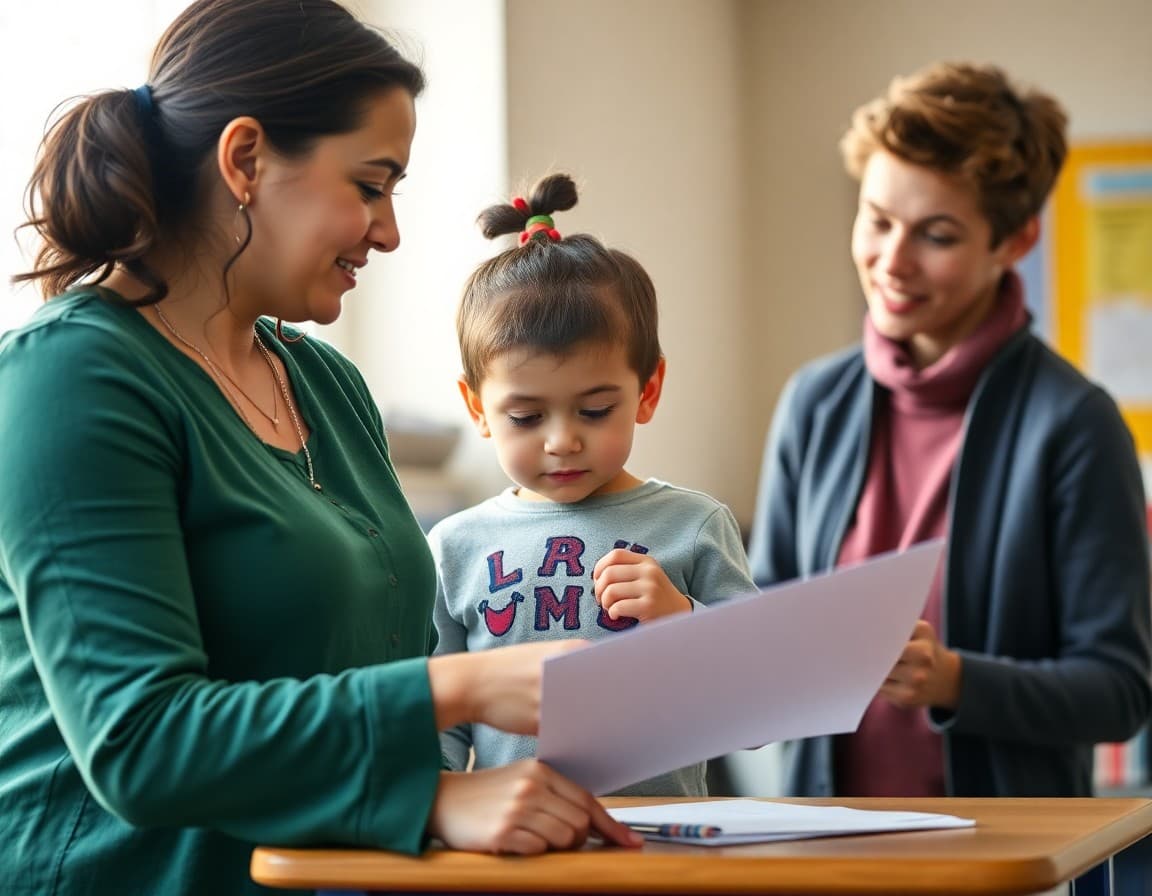
Families preparing for kindergarten often ask two questions: what does my child need to know, and how do I know if they are ready? A clear readiness checklist newsletter answers both questions and gives families practical steps to take in the months before the first day. Here is what to include and how to communicate it in a way that informs without overwhelming.
Frame the Checklist as Preparation, Not a Test
Before presenting any list of skills, acknowledge in your newsletter that kindergarten readiness is not a single threshold children either clear or miss. Development happens at different rates, and the checklist is a planning tool, not a judgment. A brief framing statement sets the right tone: "This list is not about what your child must know before day one. It is about where to focus your energy so the first weeks of kindergarten feel manageable and exciting, not overwhelming."
This framing matters especially for families of children who have not attended preschool or who are navigating developmental differences. The checklist should feel like a helpful guide, not an admission exam.
Self-Care Skills: The Most Practical Starting Point
Kindergarten teachers consistently cite self-care as the area where families can have the most direct impact before school starts. The specific skills to include in your checklist: using the bathroom independently (including managing clothing and washing hands), opening and closing their own lunch box and containers, putting on and taking off a jacket or zip-up sweatshirt, carrying their own backpack, and recognizing their own belongings.
Practical tip for families: practice the full morning routine at home before school starts. Put on the backpack, walk to the door, say goodbye. Repeat the afternoon routine in reverse. Children who have physically practiced the logistics of the day feel more confident than those experiencing it for the first time.
Social Skills: Separating and Sharing
Social readiness covers two main areas: separation from caregivers and peer interaction. On separation: children do not need to be fully comfortable with separation before kindergarten, but families can begin practicing brief separations through playdates, drop-off activities, and library story times where the child participates without the parent in the room.
On peer interaction: taking turns with a toy or game, using words instead of physical reactions when upset, and asking for help from an adult rather than shutting down are the key skills. These develop through play rather than instruction. Regular unstructured play with other children is the best preparation.
Language and Communication Skills
Kindergarten teachers need children to communicate basic needs: "I need to use the bathroom," "I do not understand," "My stomach hurts," "Can I have more water?" Practice these specific phrases at home. Children who can advocate for themselves early in the year have a significantly smoother start than those who suffer quietly waiting for a teacher to notice something is wrong.
Beyond basic needs, language readiness includes: understanding 2-3 step directions ("Please put your backpack in your cubby and sit at the blue table"), answering simple questions in full sentences, and telling a brief story about something that happened.
Fine Motor Skills: A Checklist Section Families Overlook
Fine motor readiness gets less attention than academic readiness but it directly affects a child's ability to participate in classroom activities. The checklist should include: holding a pencil or crayon (does not need to be a perfect grip, but functional), cutting with child-safe scissors along a straight line, turning pages in a book one at a time, and assembling and disassembling simple puzzles or building sets.
Fine motor skills build through play with clay, playdough, small building blocks, puzzle pieces, and art activities. Suggest specific activities in your newsletter rather than just listing the skills. "Practice tearing paper into small pieces, threading large beads on a string, or drawing shapes with a pencil" gives families concrete things to do.
Early Academic Skills: Helpful but Not Required
Academic readiness indicators to include: recognizing their own name in print, writing their first name (imperfect letter formation is fine), counting objects up to 10, identifying basic shapes and colors, and showing curiosity about books and stories. Emphasize again that these are helpful, not required. A child who cannot yet write their name will learn to do so in the first weeks of school.
The most academically beneficial thing families can do before kindergarten is read aloud together every day. Picture books, simple chapter books, non-fiction books about topics the child loves, all count. Children who arrive at kindergarten having been read to regularly have vocabulary, background knowledge, and print awareness that supports early reading instruction.
Provide a Printable or Downloadable Version
Families are more likely to use the checklist if they can print it and put it on the refrigerator rather than scroll back through an email to find it. Include a PDF attachment or a linked printable version in your newsletter. A simple one-page checklist with checkboxes is more useful than an embedded list in the email body for families who want to work through it over several weeks.
Get one newsletter idea every week.
Free. For teachers. No spam.
Frequently asked questions
What skills do kindergarten teachers look for on the first day?
Kindergarten teachers are not expecting mastery of reading or math. They are looking for children who can separate from their caregiver without significant distress, communicate basic needs (bathroom, water, hunger), follow 2-3 step directions, take turns, and sit for short periods of focused activity (10-15 minutes). Social and self-regulation skills matter as much as academic ones in the first weeks.
What if a child is not ready in all areas of the checklist?
No child enters kindergarten fully ready in every area. The checklist is a tool for identifying where families can focus their energy in the months before school starts, not a pass/fail assessment. If a parent notices significant gaps in multiple areas, a brief conversation with the child's preschool teacher or the kindergarten staff during registration is a good first step. Many developmental concerns are addressed through kindergarten itself.
Should parents focus on academic skills like letters and numbers before kindergarten?
Academic skills are helpful but secondary to social and self-care readiness. A child who can recite the alphabet but cannot use the bathroom independently or wait their turn will have a harder first month than a child who cannot yet identify letters but handles social situations confidently. That said, reading aloud together, counting objects in daily life, and simple writing practice are all beneficial and low-stress ways to build early literacy and numeracy.
How do we handle a child who is anxious about starting kindergarten?
Anxiety about kindergarten is normal. Acknowledge the feeling without amplifying it: 'It can feel big and new. That makes sense.' Visit the school if tours are available. Read books about starting kindergarten together. Talk concretely about what a kindergarten day looks like so the child is not imagining something unfamiliar. Practice the drop-off and pickup routine before the first day. Children who have seen the classroom and met the teacher before day one are noticeably calmer at the door.
Can Daystage help kindergarten teachers send a readiness checklist newsletter to families?
Yes. Daystage makes it easy to design and send a kindergarten readiness newsletter with your school's branding, include a downloadable or printable checklist, and follow up with tips over the summer as families work through each area. You can schedule the newsletter to go out automatically when families register so every new family receives it regardless of when they enroll.

Adi Ackerman
Author
Adi Ackerman is a former classroom teacher and curriculum writer with 8 years in K-8 schools. She writes about school communication, parent engagement, and what actually works in real classrooms.
More for Kindergarten Transition
Ready to send your first newsletter?
3 newsletters free. No credit card. First one ready in under 5 minutes.
Get started free