
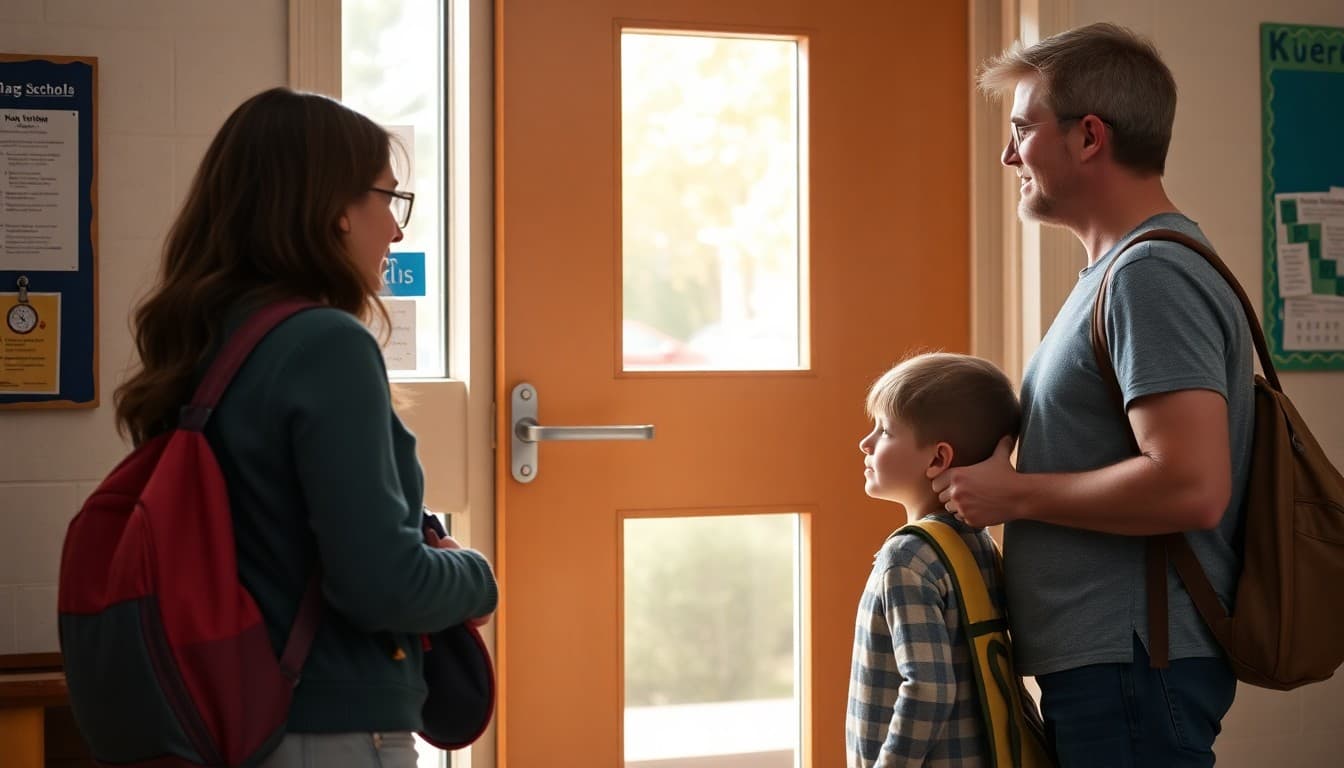
Kindergarten Meet the Teacher Newsletter: Before the First Day
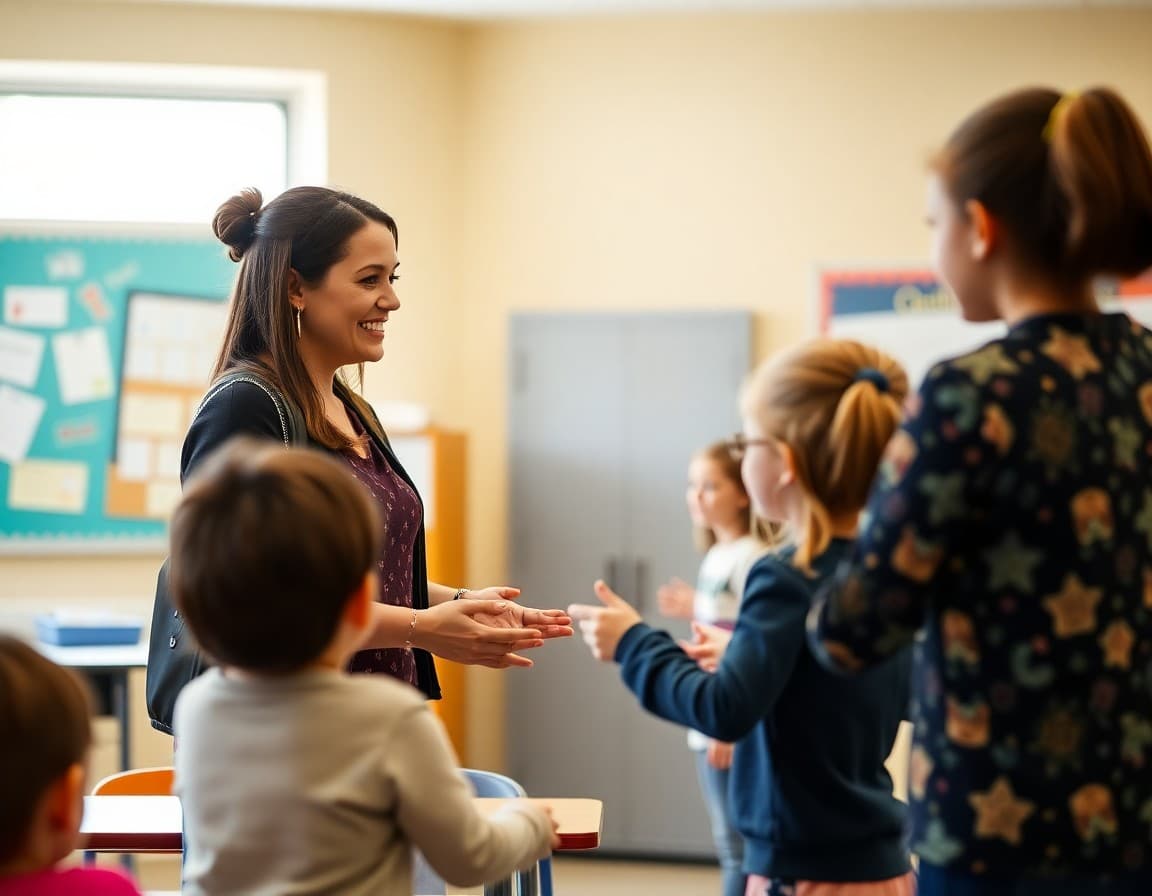
The meet-the-teacher newsletter is the first direct communication between you and the families of your incoming students. It sets the tone for the entire year. A newsletter that feels personal, specific, and warm tells families they have landed somewhere that genuinely cares about their child. Here is how to write one that accomplishes that.
Introduce Yourself as a Person First
Your newsletter should open with a genuine personal introduction, not your credentials. Families already know you are a certified teacher. What they want to know is what you are like. Something like: "My name is Ms. Jacobsen and this is my eighth year teaching kindergarten at [School Name]. I chose kindergarten because I love watching children make that leap where letters suddenly become words. It never gets old." That is three sentences that tell families who they are working with.
Add one brief personal detail that humanizes you. You have a dog named Oliver. You grew up in this neighborhood. You were a kindergartner at this school once. Something real that makes you a three-dimensional person rather than a job title attached to a classroom number.
Describe Your Teaching Approach in Plain Language
Families do not need a philosophy statement, but they do want to understand how their child will spend the day. A brief description of your classroom approach: "We spend a lot of time in small groups and hands-on stations. Kindergartners learn better through doing than through sitting. Expect your child to come home with paint on their hands more days than not." That is concrete, memorable, and tells a family something meaningful about what their child's experience will be.
If your school uses a specific curriculum or approach like Reader's Workshop, Daily 5, or project-based learning, name it and explain it in one sentence: "We use a workshop model for reading and writing, which means your child will spend time working with me in a small group while others work independently. By January, most children are reading simple books."
Walk Through the First Week
The first week of kindergarten is the section of the newsletter families are most anxious about. Give them a clear picture. What time does the day start and end? Where do children enter the building? Where do they go when they arrive? What does the first day feel like compared to week one versus week two?
Be honest about the transition: "The first week is mostly about building routines. We will practice lining up, unpacking backpacks, and using the classroom bathroom with the door closed. Academic work starts in week two. In week one, I am watching how each child moves through the day and building relationships before I start teaching content." This reassures families that you are not going to dive into workbooks before children know where to hang their coats.
Cover the Practical Logistics
This section answers the questions every family has: What time does school start? Where do children enter? What should they bring on the first day? Is there a separate lunch period or snack time? What do they do if they have a question about their child? What is the homework expectation (if any)?
For each item, keep it to one sentence. Logistics do not need narrative. "School begins at 8:15 AM, and children should enter through the main entrance and look for the green classroom sign on the left. Snack is at 10:00 AM, so please include a healthy snack in your child's backpack. Lunch is at 12:15 PM in the cafeteria." Specifics like this prevent the first-day scramble of families who did not know which entrance to use.
Explain How You Communicate With Families
Kindergarten families often want to communicate more than is feasible during a school day. Set expectations clearly: how often you send newsletters or updates, whether you use a class app or email list, what the best channel is for non-urgent questions (email is usually best), what qualifies as something to call the office about, and what your general availability is for conferences or informal check-ins.
Template: "I send a classroom newsletter every Friday with what we worked on during the week and any upcoming reminders. For questions about your child, email is the most reliable way to reach me: [email]. I typically respond within 24 hours on school days. If something is urgent or involves a safety concern, please call the main office directly."
Invite Families to Ask Questions
End your newsletter with a warm, open invitation for questions. Not a form-letter "feel free to contact me" closing, but a specific signal that questions are genuinely welcome. Something like: "I would rather you ask than wonder. If your child has a strong fear of dogs and we have a class pet visit planned, I want to know. If there are words or strategies that help your child feel safe, tell me. You are the expert on your child. I am the expert on kindergarten. Together we can make this year a great one."
This closing framing positions the family as a partner rather than a passive recipient of your classroom's outputs. That partnership orientation, established in the first newsletter, pays dividends for the rest of the year.
Get one newsletter idea every week.
Free. For teachers. No spam.
Frequently asked questions
What should a kindergarten teacher include in a meet-the-teacher newsletter?
Introduce yourself briefly as a person, not just as a credential holder. Share 1-2 things about your teaching approach, describe what the first week of school will look like, provide basic classroom logistics (arrival routine, daily schedule, homework expectations), explain how you communicate with families, and close with a warm, specific invitation for any questions. A meet-the-teacher newsletter should feel like a personal note, not a policy document.
How much personal information should a teacher share in the newsletter?
Enough to feel like a real person to the family, not a job title. Your years teaching, one or two things you genuinely love about kindergarten, and maybe one personal detail (I have two kids of my own, I am a dog person, I taught second grade before kindergarten) makes the letter feel human. Families are entrusting their youngest child to you. A brief glimpse of who you are is reassuring.
Should the meet-the-teacher newsletter describe classroom rules?
Briefly, and framed positively. Not a list of consequences, but a short description of classroom expectations: how children work together, how the day flows, and how conflicts are handled. Kindergarten families want to know their child will be safe and supported, not that transgressions will be punished. Frame expectations as the structures that help every child have a good day.
When should the meet-the-teacher newsletter be sent?
Send it 2-3 weeks before the first day of school, after classroom assignments have been communicated. This gives families enough time to prepare questions for the orientation event and enough lead time for the letter to feel meaningful rather than last-minute. If there is no in-person meet-the-teacher event, a more detailed letter compensates.
Can Daystage be used to send a kindergarten meet-the-teacher newsletter?
Yes. Daystage is well-suited for this kind of personal introductory newsletter. You can include a photo of yourself in the classroom, a photo of the classroom setup, and a warm, branded letter that sets the tone for the year. Families who receive a thoughtful, well-designed meet-the-teacher newsletter report feeling more confident about the transition before the first day arrives.

Adi Ackerman
Author
Adi Ackerman is a former classroom teacher and curriculum writer with 8 years in K-8 schools. She writes about school communication, parent engagement, and what actually works in real classrooms.
More for Kindergarten Transition
Ready to send your first newsletter?
3 newsletters free. No credit card. First one ready in under 5 minutes.
Get started free