
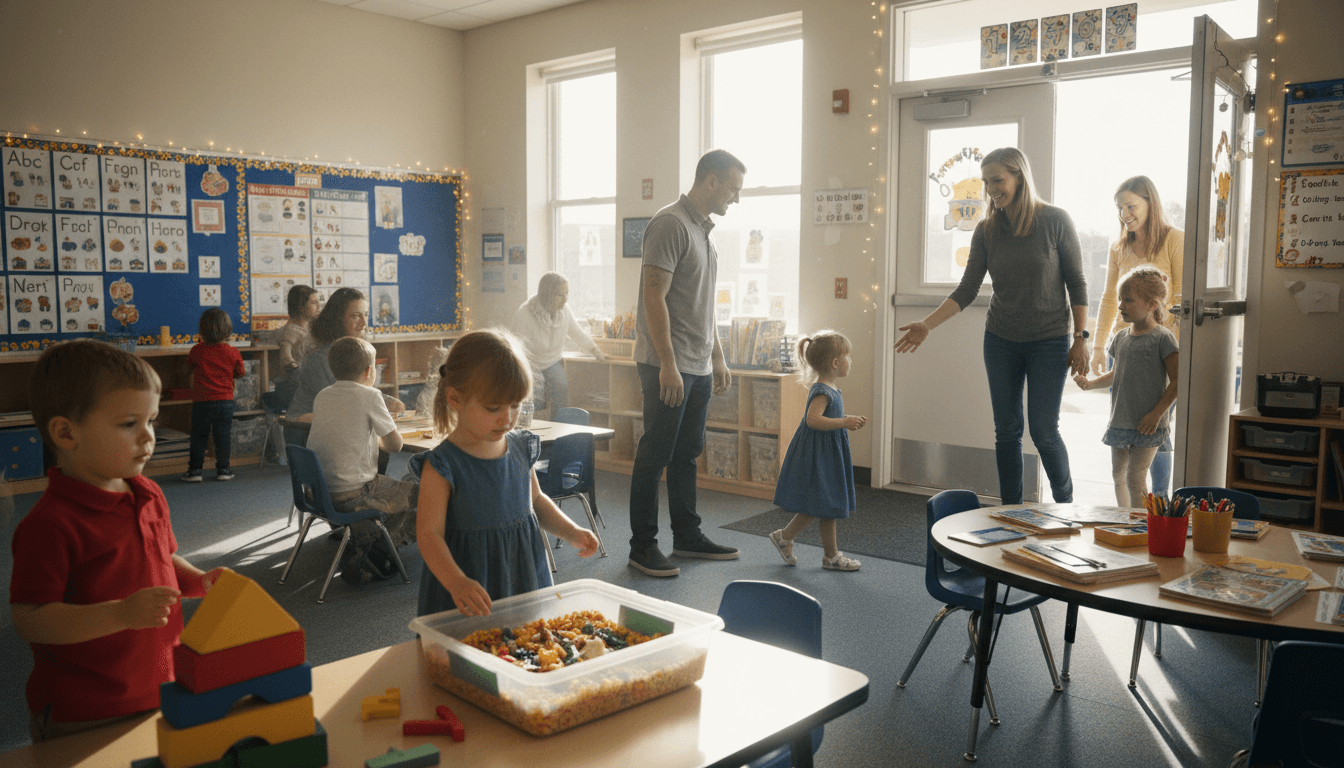
Kindergarten Readiness Newsletter: What to Tell Families Before the First Day of School
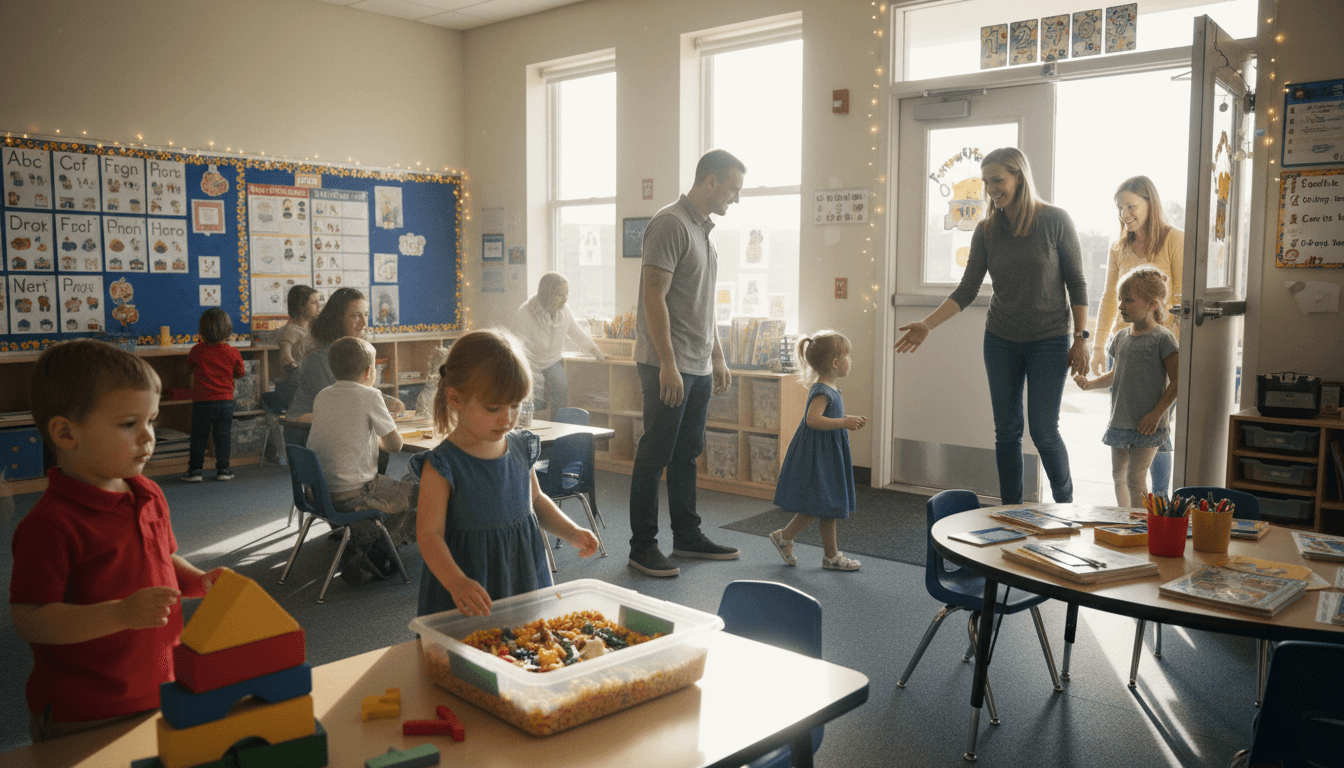
Families of incoming kindergartners are navigating one of the most emotionally charged transitions in early childhood. Many are sending their child to school for the first time. Some have older children and know what to expect. Others have no frame of reference at all. The readiness newsletter is the first real communication they receive from the people who will care for their child, and the tone it sets matters enormously.
A readiness newsletter that overwhelms families with a list of academic prerequisites creates anxiety. One that frames preparation as something families and teachers do together creates partnership. The difference is not just in the content but in how the information is presented.
Social and emotional readiness first
Academic readiness matters but it is rarely the thing that determines whether a kindergarten year goes smoothly. Social and emotional readiness is the foundation. Can the child sit in a group activity for ten minutes? Can they use words to express frustration instead of hitting? Can they separate from a parent without a crisis that disrupts the whole class?
Address these skills first in the readiness newsletter because they are the ones families have the most leverage to develop over the summer and because they are often more important in the first weeks than letter recognition or counting.
Practical self-care skills
Kindergarten teachers spend a significant portion of the first weeks of school helping children with practical self-care tasks that take much longer in a classroom of 20 than they do at home with one parent. The readiness newsletter can genuinely help by flagging these specifically:
- Opening and closing a backpack independently
- Using the bathroom and washing hands without adult assistance
- Opening a lunch box and managing a drink container
- Putting on and removing a jacket including zippers
- Remembering which belongings are theirs
Families who practice these skills over the summer are doing their children a genuine favor.
Academic skills to practice, not master
Frame every academic skill as something to practice, not something to arrive knowing. Recognizing the letters in their name, counting objects to ten, holding a crayon or pencil correctly, recognizing familiar colors and shapes. These are summer practice targets, not entrance requirements.
Be explicit in the newsletter: "Kindergarten is designed to develop these skills. Your child does not need to arrive having mastered them." That sentence, said plainly, reduces family anxiety more than any reassuring paragraph can.
Preparing emotionally for the first day
Include a brief section on emotional preparation for families whose children may experience separation anxiety. Suggest visiting the school building over the summer if open visits are available. Recommend reading books about starting school. Advise parents to practice brief goodbyes at home so the farewell routine on the first day is familiar rather than new.
Acknowledge that emotional difficulty at the transition is completely normal and does not predict how the year will go. Many children who cry on the first day are happily playing within fifteen minutes. This reassurance is what anxious families most need to hear before the first drop-off.
What families should expect from you
Close the readiness newsletter with a brief description of your communication approach. How will you let them know how the first weeks are going? What is the best way to reach you with questions? When will they hear from you next? Families who know what to expect from their child's teacher communicate better and worry less.
Get one newsletter idea every week.
Free. For teachers. No spam.
Frequently asked questions
When should a kindergarten readiness newsletter go out?
Send it in May or June before the fall enrollment, when families still have summer to work on readiness skills. A follow-up newsletter in August, two to three weeks before school starts, reinforces the most important points and handles any logistics questions that arise as the first day approaches.
What skills should a kindergarten readiness newsletter cover?
Focus on skills parents can actually practice with their children over the summer: holding a pencil correctly, recognizing their own name in print, following two-step directions, taking turns in conversation, and managing basic self-care like zipping a backpack or using the bathroom independently. These are the practical readiness markers that make the first weeks manageable.
How do you write a readiness newsletter that does not panic families about academic gaps?
Frame every skill as something to practice rather than something to achieve before day one. Emphasize that kindergarten teachers are trained to meet children where they are. Include phrases like practice at home and we will build on this together rather than language that implies a child must arrive knowing a specific thing or will fall behind.
How do kindergarten readiness newsletters address families whose children have not attended Pre-K?
Address these families directly with a brief reassuring note. Many kindergartners have no prior school experience and teachers account for that. Provide the readiness skill list as a summer activity guide rather than a prerequisite list. This framing serves first-time school families without creating anxiety.
How does Daystage help kindergarten teachers send readiness newsletters consistently?
Daystage is designed for school newsletter communication and handles subscriber lists for classroom and grade-level teachers. Kindergarten teams use it to send coordinated readiness newsletters to incoming families with a consistent format across all classes.

Adi Ackerman
Author
Adi Ackerman is a former classroom teacher and curriculum writer with 8 years in K-8 schools. She writes about school communication, parent engagement, and what actually works in real classrooms.
More for Kindergarten Transition
Kindergarten Orientation Newsletter: How to Prepare Families for an Event That Sets the Year Up Right
Kindergarten Transition · 5 min read
Kindergarten Separation Anxiety Newsletter: What to Tell Families Before the Hard Drop-Offs Begin
Kindergarten Transition · 5 min read
Pre-K to Kindergarten Transition Newsletter: How to Bridge the Gap Between Programs
Kindergarten Transition · 6 min read
Ready to send your first newsletter?
3 newsletters free. No credit card. First one ready in under 5 minutes.
Get started free