
Kindergarten Orientation Newsletter: How to Prepare Families for an Event That Sets the Year Up Right
Kindergarten orientation is one of the highest-impact events of the school year because it shapes the emotional state that families and children bring to the first day of school. A family who attended orientation and met the teacher arrives on the first day with context and confidence. A family who did not attend arrives with none.
The orientation newsletter's job is to make attendance feel valuable enough and easy enough that most incoming families show up.
Making the date impossible to miss
The orientation date, time, and location should appear in the first three lines of the newsletter and again in the footer. A family who opens the newsletter on a phone while managing a toddler should be able to get the date without reading the whole email. Put it where they will find it when they are looking.
If multiple orientation sessions are scheduled for different class groups or time slots, make the assignment clear before any other content. A family who attends the wrong session because the assignment was unclear in the newsletter wastes everyone's time.
Naming what families will get from attending
Every orientation newsletter should include a brief, specific description of what the event covers. Not a formal agenda but a plain-language preview: meet the teacher and classroom, learn about the daily schedule, hear what the first weeks look like, ask questions, let your child explore the space.
Families who know exactly what orientation offers are more likely to prioritize it in a busy August schedule than those who receive a vague invitation.
What to bring
If any paperwork or materials should be brought to orientation, list them in a simple checklist. Completed enrollment forms, immunization records, emergency contact information, or payment for any school fees. Families who arrive prepared feel organized. Families who discover mid-event that they forgot something feel embarrassed and less confident about the year ahead.
Whether to bring the child
State clearly whether children should attend orientation. If children are welcome and encouraged, say so and briefly describe what they will do during the event. If orientation is parents-only, say that clearly as well so families know whether childcare arrangements are needed.
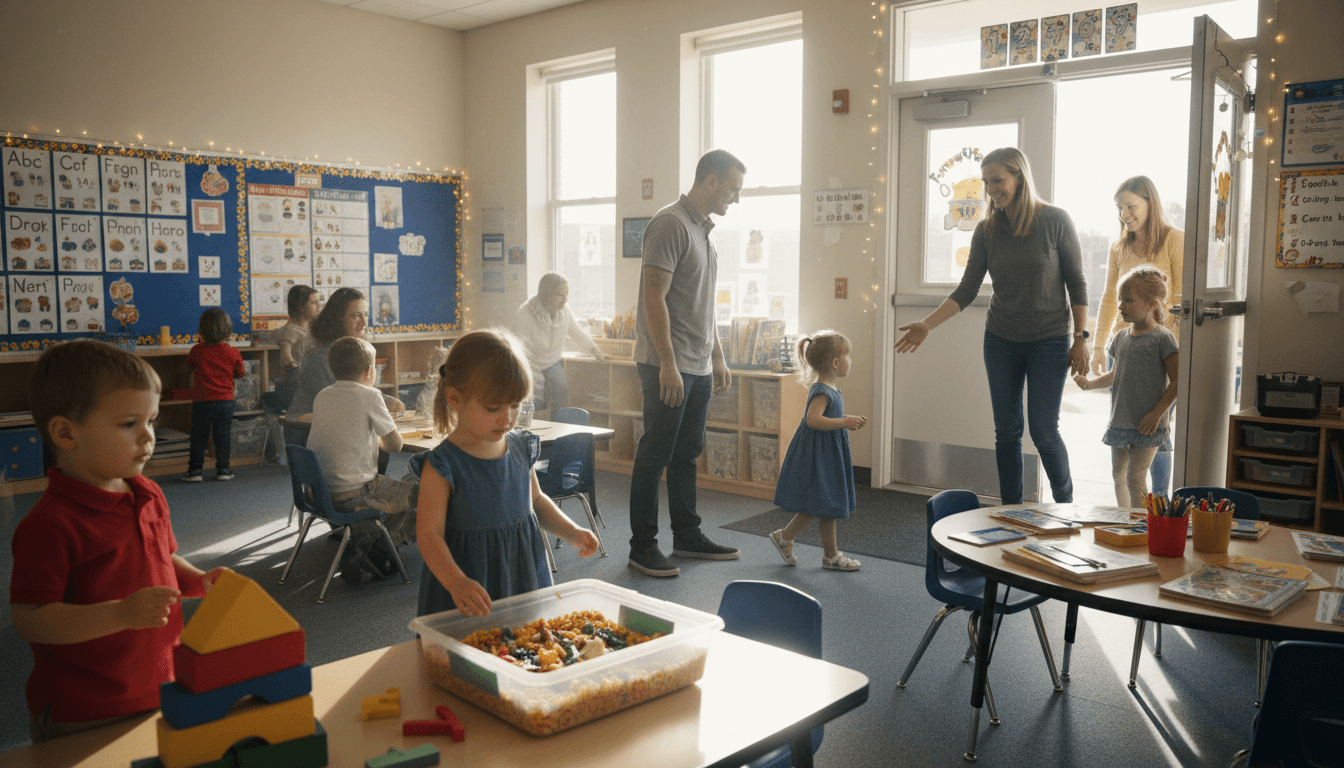
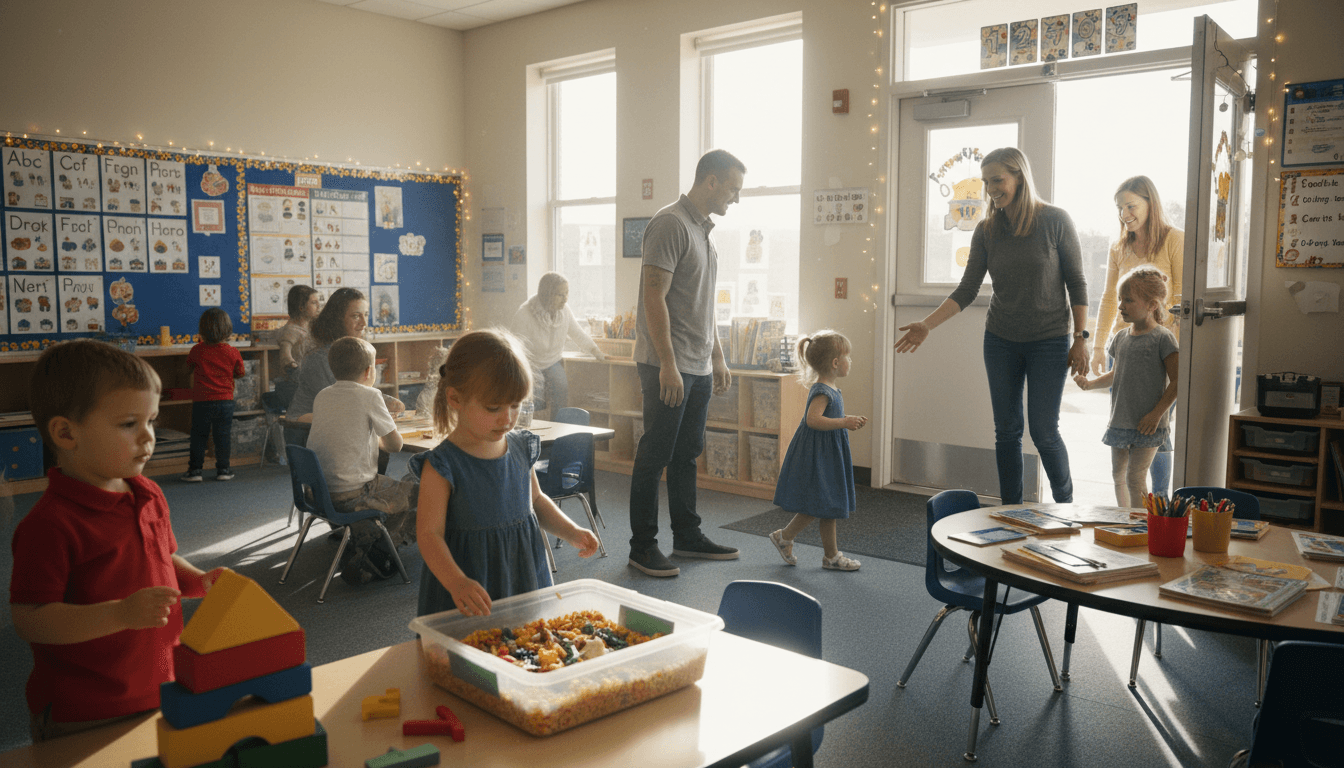
If children will attend, include a brief note about what the experience will be like for them. Something like: children will have time to explore the classroom, meet the teacher, and see where they will sit. This preview helps parents prepare their child emotionally for what the visit will involve.
After orientation, what comes next
Close the orientation newsletter with a brief note about the timeline from orientation to the first day of school. When classroom assignments will be confirmed, when the supply list will be distributed, what the first day drop-off process looks like. Every next step answered in the newsletter is one fewer call to the office in the week before school starts.
Get one newsletter idea every week.
Free. For teachers. No spam.
Frequently asked questions
When should the orientation newsletter go out?
Send the orientation newsletter two to three weeks before the event so families have enough time to arrange schedules and childcare. A brief reminder one week before catches families who missed the first issue or who need a prompt to confirm their attendance.
What should a kindergarten orientation newsletter include?
Date, time, and location of the event, who should attend including whether children are expected, what the agenda covers, what families should bring such as completed enrollment paperwork, and a contact for questions. If there are multiple orientation sessions for different class groups, state clearly which session applies to which families.
How do you encourage families who are hesitant to attend orientation?
Name the specific benefits of attending: meeting the teacher, seeing the classroom, getting questions answered in person, and letting their child see the room before the first day. Families who feel orientation is optional may skip it. Framing it as a strategic advantage for their child's comfort level motivates more attendance.
Should children attend kindergarten orientation?
Most research on transition programs supports having children present at orientation. A child who has physically been in the classroom, touched the materials, and met the teacher before the first day experiences measurably less first-day anxiety. The orientation newsletter should clearly state whether children are expected and what they will do during the event.
How does Daystage support kindergarten orientation communication?
Daystage handles inline email delivery for school programs. Kindergarten teams use it to send orientation newsletters that load directly in the inbox on mobile so parents can check event details without navigating to a separate website.

Adi Ackerman
Author
Adi Ackerman is a former classroom teacher and curriculum writer with 8 years in K-8 schools. She writes about school communication, parent engagement, and what actually works in real classrooms.
More for Kindergarten Transition
Kindergarten Gifted Identification Newsletter Guide
Kindergarten Transition · 5 min read
Kindergarten Play-Based Learning Newsletter: How to Help Families Understand Why Play Is the Work
Kindergarten Transition · 6 min read
Kindergarten Special Education Referral Newsletter: How to Communicate Concerns Early and With Care
Kindergarten Transition · 6 min read
Ready to send your first newsletter?
3 newsletters free. No credit card. First one ready in under 5 minutes.
Get started free