

Kindergarten Name Writing Newsletter: The First Important Word
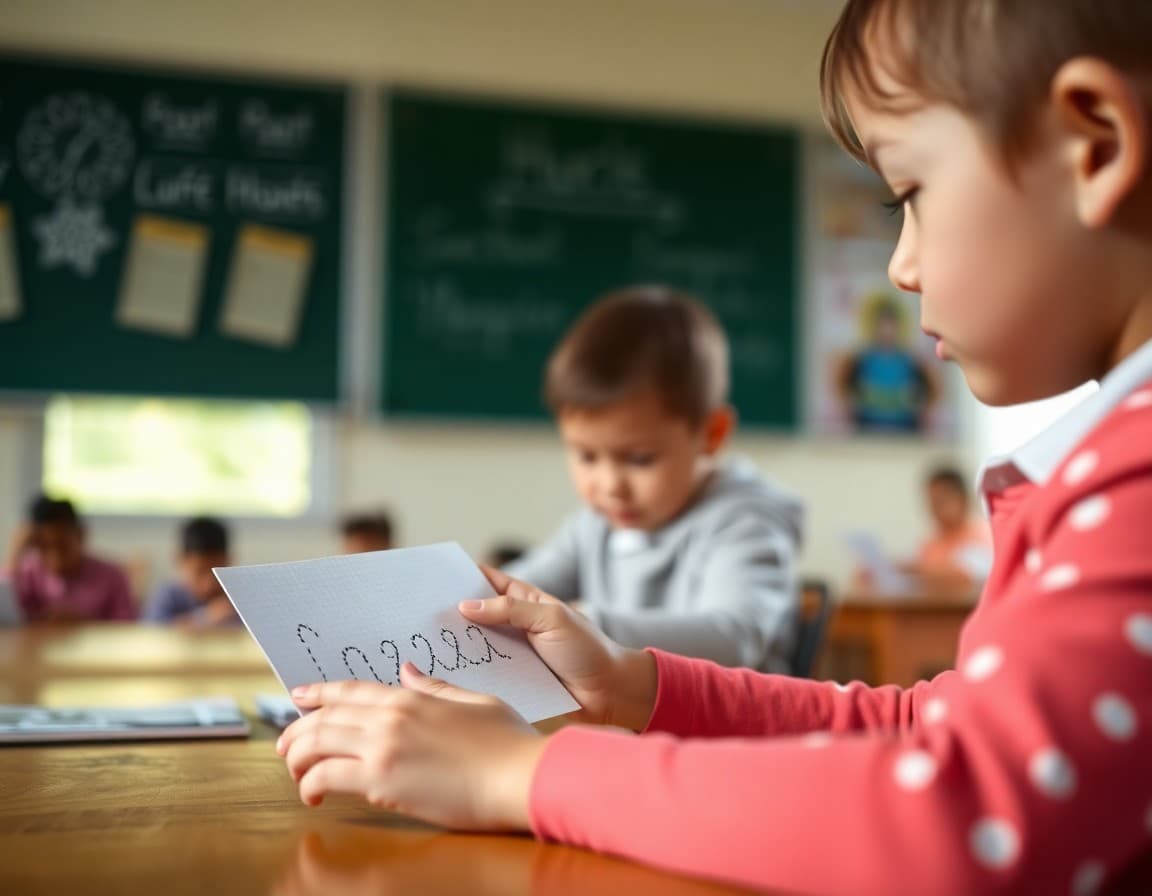
Writing their name is the first and most important writing skill kindergartners need. They write it on their work, their belongings, and their notes home from day one. A child who arrives at kindergarten able to write their first name legibly has one fewer source of first-week anxiety. Here is how to help families build this skill before school starts, in ways that are effective without being stressful.
Why Name Writing Is the Priority
A child's name is the first word that belongs to them personally. It appears on everything they produce, it is the label on their cubby and their lunch box, and it is how teachers and classmates come to know them on paper. The emotional investment children have in their own names makes name writing the most motivating writing task available.
From a developmental standpoint, name writing builds letter recognition, fine motor control, left-to-right directionality, and the understanding that specific letter sequences produce specific words. All of these skills transfer to general writing readiness. The time spent on name writing is never wasted.
The Correct Format: Upper Then Lower
Many families teach their children to write their name in all capital letters because it is easier. Capital letters are simpler shapes with mostly straight lines. But learning all-caps names creates a habit that has to be unlearned when the child enters school, where standard convention requires an uppercase first letter followed by lowercase.
If a child has already learned all-caps, do not create anxiety around correcting it immediately. Introduce the standard format gradually: show the child how their name looks with a capital first letter, trace it with them, and practice it alongside the all-caps version so they become comfortable with both before committing to the transition.
Create a Name Practice Card
A simple name practice card is the most effective home tool for name writing. Write the child's first name clearly on a card in large, correctly formed letters with a capital first letter and lowercase remaining. Laminate it if possible, or put it in a plastic sleeve. The child traces the name with a dry-erase marker, wipes it, and repeats.
The laminated trace card reduces the resistance that comes from "getting it wrong on paper." Erasable surfaces remove the permanence anxiety that makes many young children hesitant to write. Over 10-15 repetitions over several weeks, the muscle memory for the letter sequence develops naturally.
Practice in Multiple Media
Variety in practice surface prevents boredom and builds the generalization that name writing is a skill used everywhere, not just in a specific notebook. Suggest to families: name in sand or salt in a shallow tray, name with sidewalk chalk on the driveway, name with magnetic letters on the refrigerator, name written in shaving cream spread on a smooth surface, name painted with watercolors, name written in large letters with a foam brush and water on the sidewalk.
Each surface requires slightly different motor control, which builds adaptive fine motor skill rather than just muscle memory for one specific pen-on-paper task. A child who writes their name on multiple surfaces generalizes the skill faster than one who practices exclusively on lined paper.
Name Recognition Comes Before Name Writing
Before a child can write their name, they need to be able to recognize it when they see it written. This sounds obvious but some children recognize their name from the family's handwriting style and cannot recognize it in print. Practice name recognition by labeling the child's belongings in clear printed letters, posting a name card at their place at the dinner table, and playing "find your name" games where the child spots their name among other familiar words on a page.
A child who can instantly recognize their printed name when they see it in a new context has the visual template they need to reproduce it. Name recognition and name writing develop in parallel and reinforce each other.
Celebrate Every Attempt
The most important piece of advice for families in your newsletter is this: celebrate attempts, not just successes. A child who attempts to write their name and produces most of the letters in roughly the right sequence has accomplished something real. Pointing out what is wrong ("that E has too many lines") before acknowledging what is right creates writing reluctance that can last for years.
A better response model: "You wrote Javier! I can read it. This J is really strong. This part is a little wobbly right now. Let's try that one again." Lead with what is working. Then invite revision. Then celebrate the revision. That sequence builds confidence alongside skill, which is exactly what five-year-olds need to become willing, persistent writers.
Get one newsletter idea every week.
Free. For teachers. No spam.
Frequently asked questions
Should kindergartners write their name in all caps or uppercase and lowercase?
Most schools teach children to write their name with an uppercase first letter followed by lowercase letters. This matches conventional print and the format children will see their name written throughout school. If a child has already learned to write their name in all capital letters, work gradually toward the standard convention by first ensuring the child can recognize their name written in standard format, then slowly transitioning practice materials to uppercase first letter, lowercase remaining.
What if a child resists name writing practice?
Resistance to name writing practice usually signals one of two things: the task feels too hard (the child is not yet ready for the motor demands), or the practice format is too repetitive and school-like. Switch surfaces to reduce pressure: write the name in sand, with sidewalk chalk, with paint, in shaving cream, or with magnetic letters. If the child resists for several weeks and shows general avoidance of writing tasks, that is worth mentioning to the teacher.
Is it okay if the letters in a child's name are not perfectly formed in kindergarten?
Yes. Perfect letter formation is not expected in kindergarten and should not be the focus of name writing practice. Functional formation, meaning letters that are recognizable and correctly sequenced, is the appropriate goal. Teachers will provide explicit letter formation instruction during the school year. The most important pre-school name writing goal is that the child knows their name is a sequence of specific letters and can attempt to write those letters in the correct order.
What if a child's name is very long or has unusual letters?
Children with longer names or names containing unusual letter combinations (Q, X, unusual digraphs) take longer to master name writing. This is normal. Focus on the first name first. Mastering the full name, including a long last name, is a full-year goal for many kindergartners, not a first-week expectation. Praise every attempt and every correct letter, not just fully correct renditions of the complete name.
Can Daystage help send a name writing preparation newsletter to incoming kindergarten families?
Yes. Daystage lets teachers send a name writing newsletter with a downloadable name tracing template, specific practice activity suggestions, and photos showing letter formation examples. Families who receive this before school starts can begin low-pressure practice over the summer, giving children a head start on the skill that appears most immediately in classroom life.

Adi Ackerman
Author
Adi Ackerman is a former classroom teacher and curriculum writer with 8 years in K-8 schools. She writes about school communication, parent engagement, and what actually works in real classrooms.
More for Kindergarten Transition
Ready to send your first newsletter?
3 newsletters free. No credit card. First one ready in under 5 minutes.
Get started free