
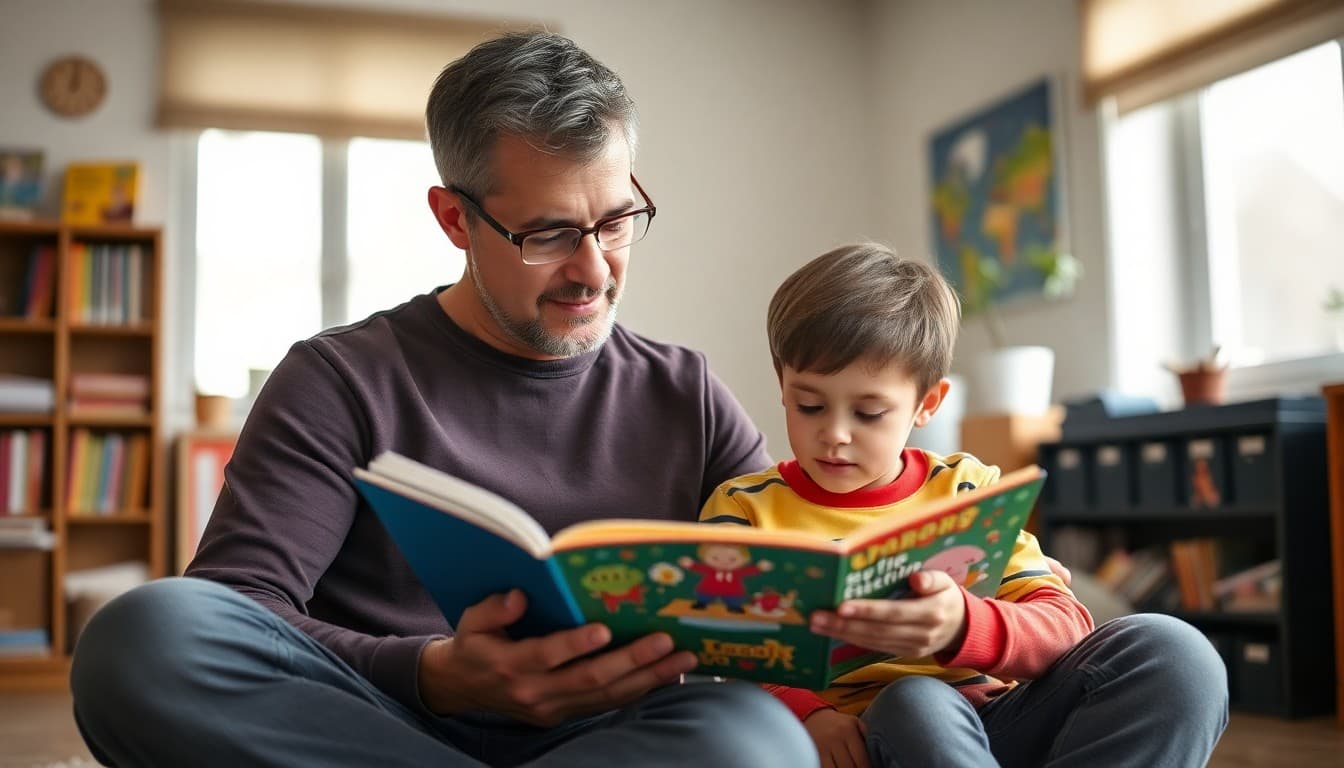
Kindergarten Home Reading Newsletter: How to Help Your Child
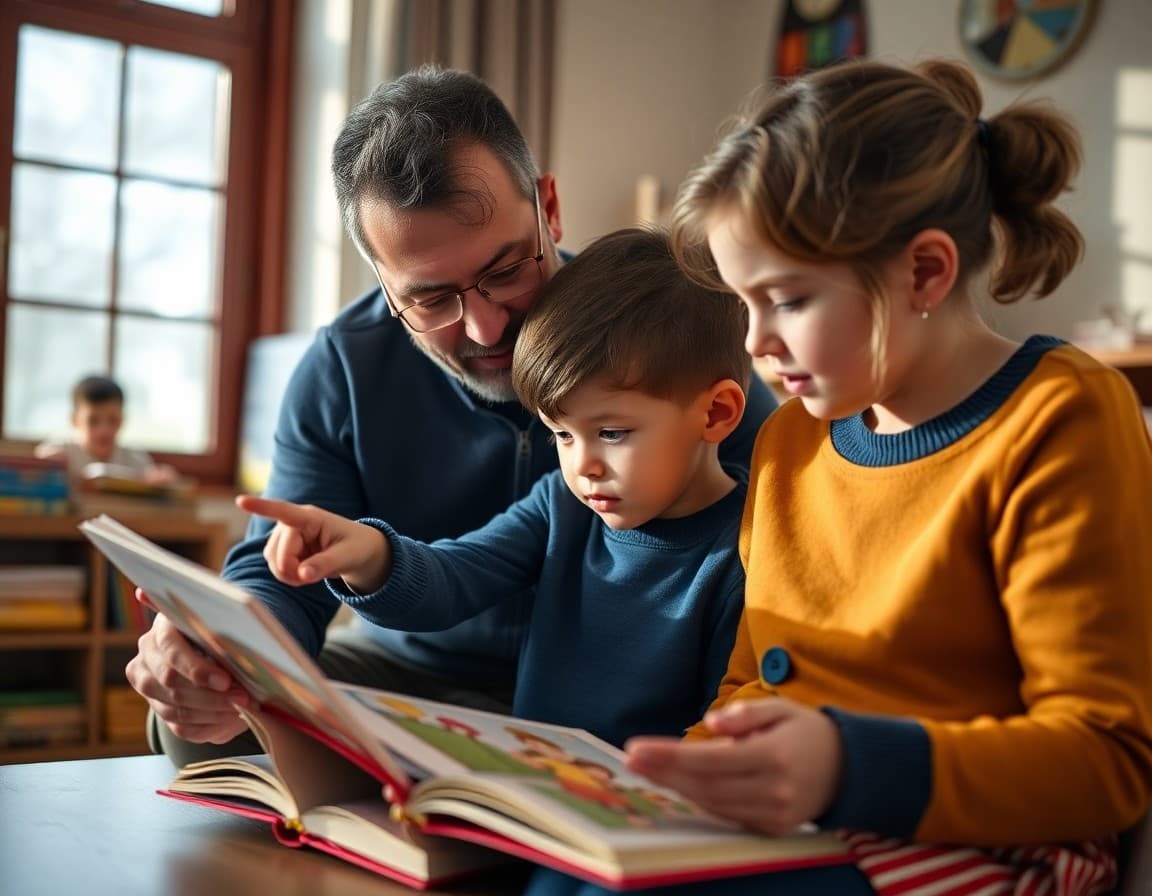
Kindergarten reading progress is significantly influenced by what happens at home between school days. Families who read with their children daily, ask questions about books, and practice letter sounds in low-pressure contexts give their children a consistent literacy boost that classroom instruction alone cannot replicate. The home reading newsletter bridges the gap between what teachers do in school and what families can do in 15 minutes each evening.
Explain Why Home Reading Matters
Families often do not realize how much daily home reading affects classroom progress. Research on early literacy consistently shows that children who read at home for 15-20 minutes per day for a school year accumulate thousands of additional hours of text exposure compared to those who only read at school. Vocabulary, comprehension, and phonics accuracy all improve faster with home practice.
Frame this in your newsletter as an opportunity rather than a pressure: "The 15 minutes you spend reading with your child tonight directly supports what we work on in class tomorrow. You do not need to be a reading teacher. You need to be a curious reader alongside your child."
Describe What Read-Aloud Looks Like in Practice
Many families read to their children but do so passively, meaning the parent reads while the child listens. Interactive reading, where the parent asks questions, tracks print, and invites the child to predict, is significantly more effective for development. Teach families the basics of interactive read-aloud in your newsletter.
Three questions to ask during any read-aloud: "What do you think will happen next?" "Why do you think [character] did that?" "Has something like that ever happened to you?" These questions build comprehension, inference, and personal connection to text. They take 60 extra seconds and dramatically increase the cognitive engagement of the reading session.
Teach Families How to Track Print
Print tracking is the act of pointing to words as they are read, showing children that the spoken word corresponds to a written one and that reading moves left to right. It is one of the most important print awareness skills kindergartners need and one that parents can model naturally during read-aloud.
Instruction for families: "When you read to your child, occasionally point to each word as you say it. You do not need to do this every page or every sentence. Even twice per book gets the point across. Let your child point sometimes too. When they point, they are practicing the connection between spoken and written language." That is a 30-second technique with significant developmental payoff.
Guide Families on Early Independent Reading Books
Families do not know what level books to buy or borrow unless you tell them. In your newsletter, name 3-5 specific early reader series that are appropriate for the fall kindergarten level. Include library call numbers if possible. Bob Books Set 1, Scholastic Reader Pre-Level 1 books, and Oxford Reading Tree Stage 1 are widely available and appropriate for early kindergartners.
Describe what an appropriate challenge level looks like: your child should be able to read about 90-95% of words correctly. If they are getting stuck on every other word, the book is too hard. If they can read it without any challenge, it is good for fluency but they also need books that make them work a little.
Respond to Reading Errors Effectively
How a parent responds when a child makes a reading mistake shapes whether the child becomes a confident or reluctant reader. Include a brief coaching section in your newsletter on the most effective error response strategy: wait before intervening, prompt with a question rather than supplying the answer, and celebrate the attempt regardless of accuracy.
Most families instinctively correct errors immediately, which short-circuits the child's problem-solving process. A child who sounds out a word incorrectly and is immediately given the correct answer learns to wait for the parent rather than work through the challenge. A child who is prompted with "look at that first letter and look at the picture, what could it be?" learns to use multiple sources of information, which is exactly what skilled readers do.
Make Reading a Routine, Not a Task
The bedtime reading routine is among the most impactful and durable literacy habits families can establish. A child who has a predictable reading time each night before sleep builds reading into their identity before they have fully learned to decode. Recommend a specific structure: choose two books (one parent choice, one child choice), read together, and turn off the light. The predictability of the routine matters as much as the content.
For families who struggle to find time, offer a realistic minimum: even one picture book per day, read consistently, is meaningfully better than nothing. Do not let perfection be the enemy of the habit. A family that reads every day for five minutes builds a more durable reader than one that waits for a full 20-minute window that never comes.
Get one newsletter idea every week.
Free. For teachers. No spam.
Frequently asked questions
How much time should kindergartners spend reading at home each day?
15-20 minutes of daily reading activity is the research-backed target. This can be split between reading aloud to the child (10 minutes) and having the child read simple books or work with letter sounds independently (5-10 minutes). Consistency matters more than duration. A child who reads for 15 minutes every day builds far more literacy skill over a year than one who reads for an hour twice a week.
What is the difference between reading aloud to a child and having the child read independently?
Reading aloud builds vocabulary, background knowledge, comprehension, and a love of books. These benefits occur even when the child cannot yet decode text. Independent or supported reading builds phonics skills, fluency, and the confidence that comes from successfully decoding words. Both are important and they serve different developmental functions. Kindergartners benefit from both types every day.
What level books should kindergartners be reading independently?
In the first half of kindergarten, most children are at the pre-reading or emergent reading stage. They benefit from very simple books with 1-2 words per page, clear picture support, and repetitive text patterns. Examples include the Bob Books series, Scholastic Hello Reader Level 1, and books from the Sight Word Readers sets. By spring of kindergarten, many children are reading simple reader books independently. Progress varies widely and all of it is normal.
How should parents respond when their child makes a reading mistake?
Let the child try to self-correct first. Wait 3-5 seconds after the error before intervening. If the child does not self-correct, ask 'does that make sense?' or 'look at the picture, does that help?' If still stuck, prompt them to sound out the first letter and use the picture together. Avoid immediately giving the word or over-correcting in a way that makes the child hesitant to attempt difficult words.
Can Daystage help send home reading guidance newsletters to kindergarten families?
Yes. Daystage lets kindergarten teachers send monthly home reading newsletters with book level guidance, specific activities to try at home, and updates on what reading skills the class is working on in school. Families who receive regular, specific reading guidance from the teacher report feeling more confident supporting literacy at home and less anxious about whether they are doing it correctly.

Adi Ackerman
Author
Adi Ackerman is a former classroom teacher and curriculum writer with 8 years in K-8 schools. She writes about school communication, parent engagement, and what actually works in real classrooms.
More for Kindergarten Transition
Ready to send your first newsletter?
3 newsletters free. No credit card. First one ready in under 5 minutes.
Get started free