

Kindergarten Summer Reading Newsletter: Books Before School Starts
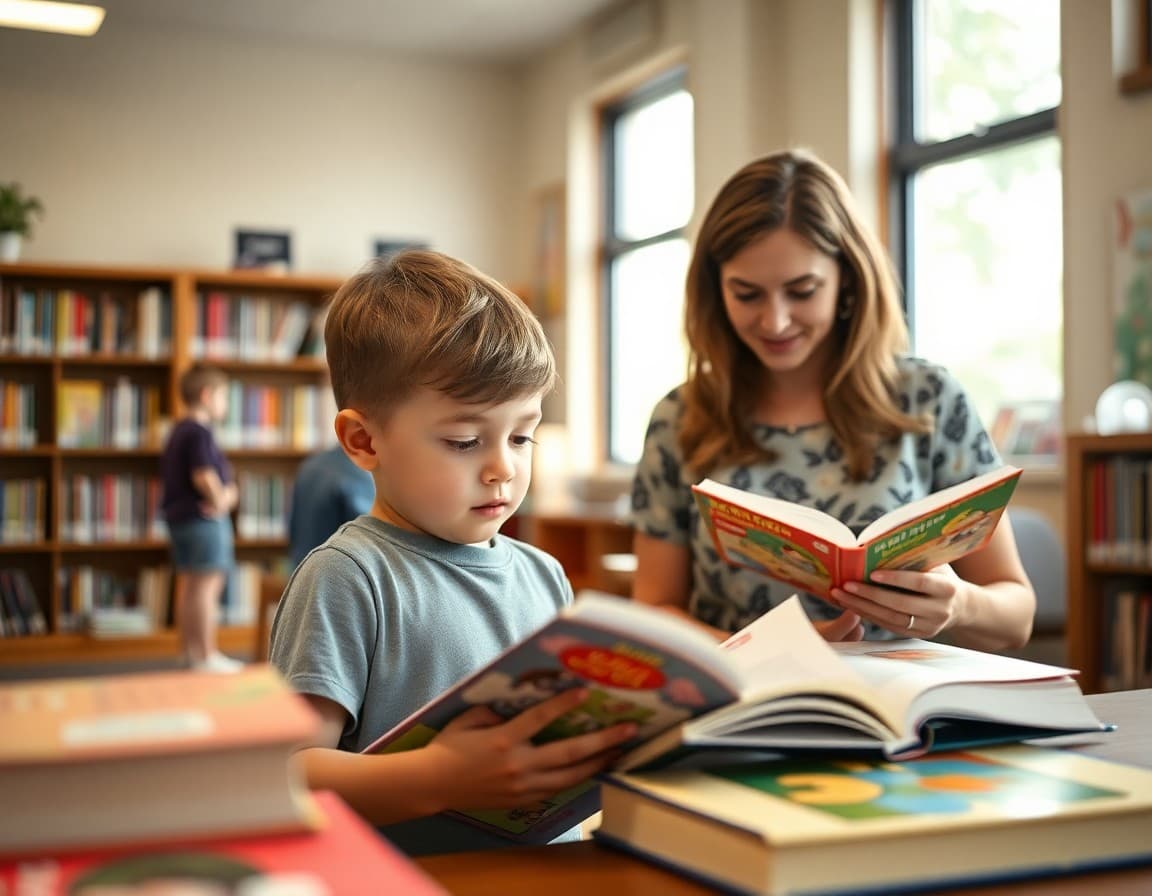
Summer reading is one of the highest-impact things incoming kindergarten families can do before the first day of school. Fifteen minutes of reading aloud per day over a summer can add 100-150 hours of language exposure before September. The teacher who sends a specific, actionable summer reading newsletter gives families a clear path to that outcome rather than leaving them to guess at what is helpful.
Make the Recommendation Specific, Not General
A newsletter that says "read books this summer" accomplishes nothing. A newsletter with 8-10 specific book titles with brief descriptions of why each one is valuable gives families a shopping list for the library. Include a mix: 2-3 rhyming picture books, 2-3 concept books (colors, counting, shapes), 2-3 books with simple repeated text, and 2-3 books that specifically feature starting school or new experiences.
For each book, one sentence explaining why it is valuable for incoming kindergartners is more motivating than a review-style description. "Pete the Cat: I Love My White Shoes teaches color words and a positive attitude toward change, two things that come up constantly in the first month of kindergarten." That sentence makes the recommendation feel purposeful.
Suggest a Summer Reading Routine
Families are more likely to build a reading habit if you give them a concrete structure. Recommend a specific daily window and a format that takes less than 20 minutes. "Try reading together right after breakfast or as part of the bedtime routine. Read one picture book out loud, then spend 5 minutes looking at the pictures together and talking about what happened. That conversation is as valuable as the reading itself."
The conversation component often surprises families. When a parent asks "what do you think will happen next?" or "why do you think the duck was upset?" they are building comprehension skills that reading instruction relies on. This kind of interactive reading is more effective than passive read-aloud alone.
Explain Print Awareness and Why It Matters
Print awareness is the understanding that written marks carry meaning and that reading flows in a specific direction. It is the pre-reading skill kindergarten teachers spend significant time building in September. Families can contribute to print awareness over the summer without formal instruction.
Specific suggestions for your newsletter: when reading, occasionally track the words with your finger so the child sees the left-to-right direction. Point to words in the environment (a stop sign, a cereal box, a storefront) and read them aloud. Show the child where a sentence starts and ends on the page. These habits take 30 extra seconds per book and build foundational skills your kindergarten teacher will be reinforcing from day one.
Recommend the Local Library as a Free Resource
Many families do not have large home book collections. The public library is the most accessible resource for summer reading and worth a specific recommendation in your newsletter. Mention: that library cards are free, that most libraries have a specific section for children under 5 with books organized by reading level, and that summer reading programs at the library often have incentives like free books or prizes for children who read a certain number of books.
If your local library has a summer reading kickoff event, include the date and registration link. Libraries with robust summer programming are natural partners for this newsletter because the work you are asking families to do aligns perfectly with what the library is already promoting.
Include a Simple Reading Log Families Can Use
A basic reading log gives families a tangible record of their summer reading and gives children a sense of accomplishment. Include a printable template or describe one families can make at home: a simple grid with the date, book title, and a checkbox or sticker spot for each day they read. Children who can see their log filling up are more motivated to continue than those for whom reading feels untracked and unlimited.
Invite families to bring the reading log on the first day of school if they used one. Sharing it as a "look what I did this summer" moment with the teacher gives the child an immediate positive interaction and gives you information about which families engaged with the summer reading recommendation.
Suggest Read-Aloud Apps and Free Digital Resources
Not every family has easy access to a library or book store. Include 2-3 free digital alternatives: the Epic! app (free for classroom use and low-cost for families), the Libby app for library ebook borrowing, and YouTube channels with high-quality picture book read-alouds. Note that screen-based reading, while not equivalent to in-person read-aloud with conversation, is meaningfully better than no reading exposure at all.
A brief note acknowledging that every family's summer looks different validates the families who may be working multiple jobs, managing without a car to get to the library, or managing a household where reading in English is not the primary language. Offering multilingual reading suggestions for families of English learners extends the value of the newsletter to every enrolled family.
Get one newsletter idea every week.
Free. For teachers. No spam.
Frequently asked questions
How much reading should incoming kindergartners do over the summer?
15-20 minutes of read-aloud time per day is enough to make a meaningful difference in vocabulary, comprehension, and print awareness by September. This does not need to be formal. Bedtime reading counts, as does a library visit, reading cereal boxes at breakfast, or listening to an audiobook in the car. The consistency of daily exposure matters more than the duration of any single session.
What types of books are best for incoming kindergartners?
A mix of picture books and early non-fiction works well. Picture books with rhyme and repetition (Dr. Seuss, Mo Willems, Eric Carle) build phonological awareness. Non-fiction books about topics the child loves (trucks, dinosaurs, animals, space) build vocabulary in specific domains. Books about starting school specifically help children process and anticipate the transition. Aim for 2-3 books of varied types per week.
Should parents worry if their child cannot yet read before kindergarten?
No. Kindergarten is where children learn to read. Arriving at kindergarten unable to read is entirely normal and expected. What matters is whether the child has been exposed to books, whether they understand that print carries meaning, whether they can hold a book correctly and turn pages, and whether they have been read to regularly. These early literacy behaviors, not decoding ability, are what the first weeks of reading instruction build on.
Are there free summer reading resources for families?
Yes. Most public libraries run summer reading programs with free books, reading logs, and prizes for children who complete reading goals. Many libraries offer free access to digital reading platforms like Libby, Epic, or Sora for children's ebooks and audiobooks. Sight Words the Movie on YouTube and PBS Kids video read-alouds are free options for families with limited access to physical books.
Does Daystage make it easy to send a summer reading newsletter to incoming kindergarten families?
Yes. Daystage lets you design a summer reading newsletter with book recommendations, library links, and a simple reading log template that families can print or reference digitally. You can schedule it to go out in June after registration closes, ensuring every enrolled family receives reading support before school starts regardless of when they enrolled.

Adi Ackerman
Author
Adi Ackerman is a former classroom teacher and curriculum writer with 8 years in K-8 schools. She writes about school communication, parent engagement, and what actually works in real classrooms.
More for Kindergarten Transition
Ready to send your first newsletter?
3 newsletters free. No credit card. First one ready in under 5 minutes.
Get started free