
Kindergarten Phonics Newsletter: Letters and Sounds at Home
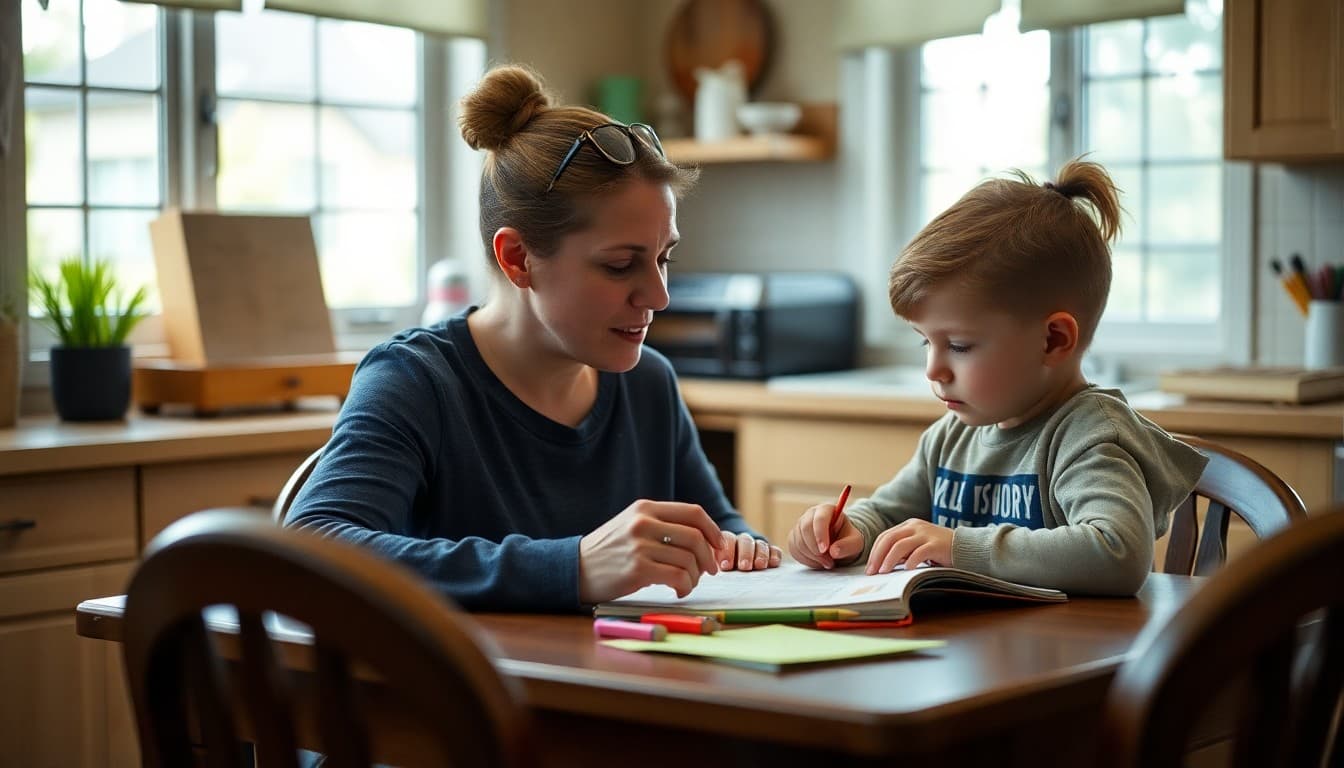
Phonics is the mechanical foundation of reading. A child who learns to connect letters to sounds, blend those sounds into words, and recognize patterns in print gains a tool that makes every future reading interaction more accessible. Families who support phonics at home through games and daily interactions accelerate their child's progress without creating pressure or turning reading into a chore. Here is how to guide them.
Tell Families What the Class Is Working on Right Now
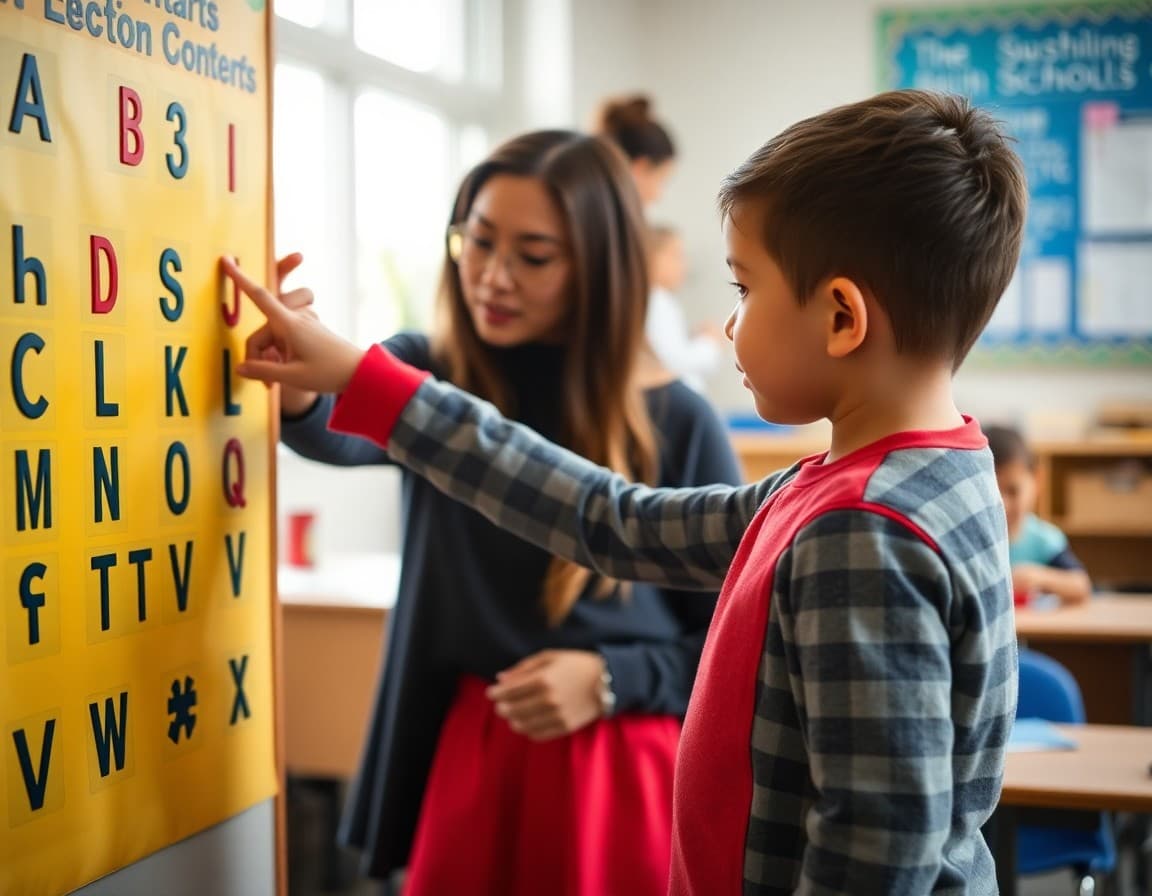
Generic phonics advice is less effective than specific guidance tied to current classroom instruction. In your newsletter, name the specific letter sounds or word patterns the class is currently learning. "This week we are working on the sounds for M, S, and A. If you want to practice at home, look for words that start with these letters in books or around your house."
This specificity serves two purposes: it aligns home practice with classroom instruction so both reinforce the same skills simultaneously, and it signals to families that the teacher knows exactly what their child is working on and is keeping them informed. That communication trust makes families more engaged throughout the year.
Phonological Awareness Comes Before Phonics
Before children can connect letters to sounds, they need to hear and manipulate sounds in spoken language. This is phonological awareness, and families can build it through play with no materials at all. Rhyming games, syllable clapping, and "what sound does cat start with?" questions are all phonological awareness activities that prepare the brain for phonics instruction.
Include 2-3 specific games in your newsletter. The rhyme game: I say a word, you say something that rhymes (cat, bat, hat, mat). The syllable game: clap the beats in each person's name at dinner. The first-sound game: what sound does banana start with? What about table? What about umbrella? These take one minute per day and lay critical neurological groundwork for reading.
Sound Hunts: The Most Engaging Phonics Home Activity
A sound hunt takes 5 minutes and builds letter-sound association through real-world context. The game: choose one letter sound, set a timer for three minutes, and find as many items in the house as possible that start with that sound. Write them on a piece of paper or call them out. Compare lists.
Variations that extend the activity: hunt for items that end with a sound, hunt for items that have a specific sound in the middle, or hunt for items that match a specific word family (things that rhyme with "hat"). The real-world context, where the child sees that phonics connects to actual words they use every day, is more motivating than any worksheet.
Magnetic Letters and Tactile Practice
Many children learn letter sounds more effectively when they have tactile engagement with the letters themselves. Magnetic letters on the refrigerator, foam letter tiles in the bathtub, or letter stamps in a sand tray all give children a physical experience with letters that complements visual instruction.
Suggest a simple magnetic letter activity: pull out the letters for a word the class is studying (example: "cat"), place them in scrambled order, and have the child put them in order to make the word. Say the sounds as you place each letter. When the word is built, blend the sounds together and run a finger under the word as you say it. This builds letter-sound knowledge, sequencing, and blending simultaneously.
Blending: The Key Reading Mechanic
Blending is the ability to push individual sounds together to form a word: /c/-/a/-/t/ becomes "cat." This skill is the core mechanic of reading and it requires explicit practice. Many children can name the individual sounds of a word but struggle to blend them smoothly into a recognizable word.
Practice blending at home through a slow-speak game: say a word in robot voice (separated sounds) and have the child say the real word. "/m/-/a/-/p/ ... what word is that?" Start with three-letter consonant-vowel-consonant words. As the child gets confident, move to four-letter words with blends. This can happen in the car, at the dinner table, or during any transition. It requires no materials and five minutes of practice per week makes a meaningful difference.
What Not to Do: Avoid Pressure and Over-Correction
Phonics practice at home goes wrong when it becomes a test rather than a game. If a child is not remembering a sound, supply the answer calmly and move on. If the child is getting frustrated, stop. A session that ends in tears is not neutral. It creates a negative association with the letters and sounds themselves, which makes the next practice session harder to initiate.
Keep every home phonics session to 5-10 minutes and end on a success, even if it means backing up to an easier activity. A child who finishes practice feeling capable and happy will ask to play again tomorrow. A child who finishes feeling frustrated or embarrassed will avoid it. The goal is not mastery tonight. It is consistent, positive exposure over a full school year.
Get one newsletter idea every week.
Free. For teachers. No spam.
Frequently asked questions
What is phonics and how is it taught in kindergarten?
Phonics is the relationship between letters (graphemes) and sounds (phonemes). In kindergarten, phonics instruction typically begins with individual letter sounds, then moves to consonant-vowel-consonant words (cat, hot, pin), then to simple two-syllable words and consonant blends. Most programs follow a systematic scope and sequence, meaning sounds are taught in a specific order based on complexity and frequency. Families who know which sounds the class is working on can reinforce the same sounds at home.
What is phonological awareness and is it different from phonics?
Phonological awareness is the ability to hear and manipulate the sound structure of spoken language. This includes rhyming, hearing individual syllables, and identifying the first or last sound in a word, all without any print involved. Phonics connects sounds to letters on paper. Phonological awareness comes before phonics and is the foundation on which phonics instruction builds. Singing songs, playing rhyming games, and clapping syllables are phonological awareness activities that do not require any written text.
How can families practice phonics without worksheets?
Sound hunts are one of the best phonics games: pick a sound and find five things in the house that start with that sound. Word family matching with index cards works well for consonant-vowel-consonant words. Magnetic letters on the refrigerator are a classic manipulative for building simple words. Writing letters in a tray of sand or flour gives tactile reinforcement for letter formation. All of these build phonics skills through engagement rather than repetitive written practice.
What if a child is struggling with letter sounds in kindergarten?
Some children need more practice or exposure than others to associate letters with their sounds, and this is normal. If a child is consistently reversing letters, confusing sounds after several months of instruction, or showing significant frustration with phonics activities, that is worth discussing with the classroom teacher. Phonics difficulty can be an early signal of dyslexia, which is most effectively addressed with early intervention. A proactive conversation with the teacher is always the right first step.
Can Daystage be used to send phonics practice newsletters to kindergarten families?
Yes. Daystage lets teachers send a phonics newsletter aligned to the current week's or month's letter-sound focus. Including the specific letters being taught, a few home activity ideas, and a printable letter-sound chart gives families everything they need to support classroom learning without purchasing any supplementary materials.

Adi Ackerman
Author
Adi Ackerman is a former classroom teacher and curriculum writer with 8 years in K-8 schools. She writes about school communication, parent engagement, and what actually works in real classrooms.
More for Kindergarten Transition
Ready to send your first newsletter?
3 newsletters free. No credit card. First one ready in under 5 minutes.
Get started free