
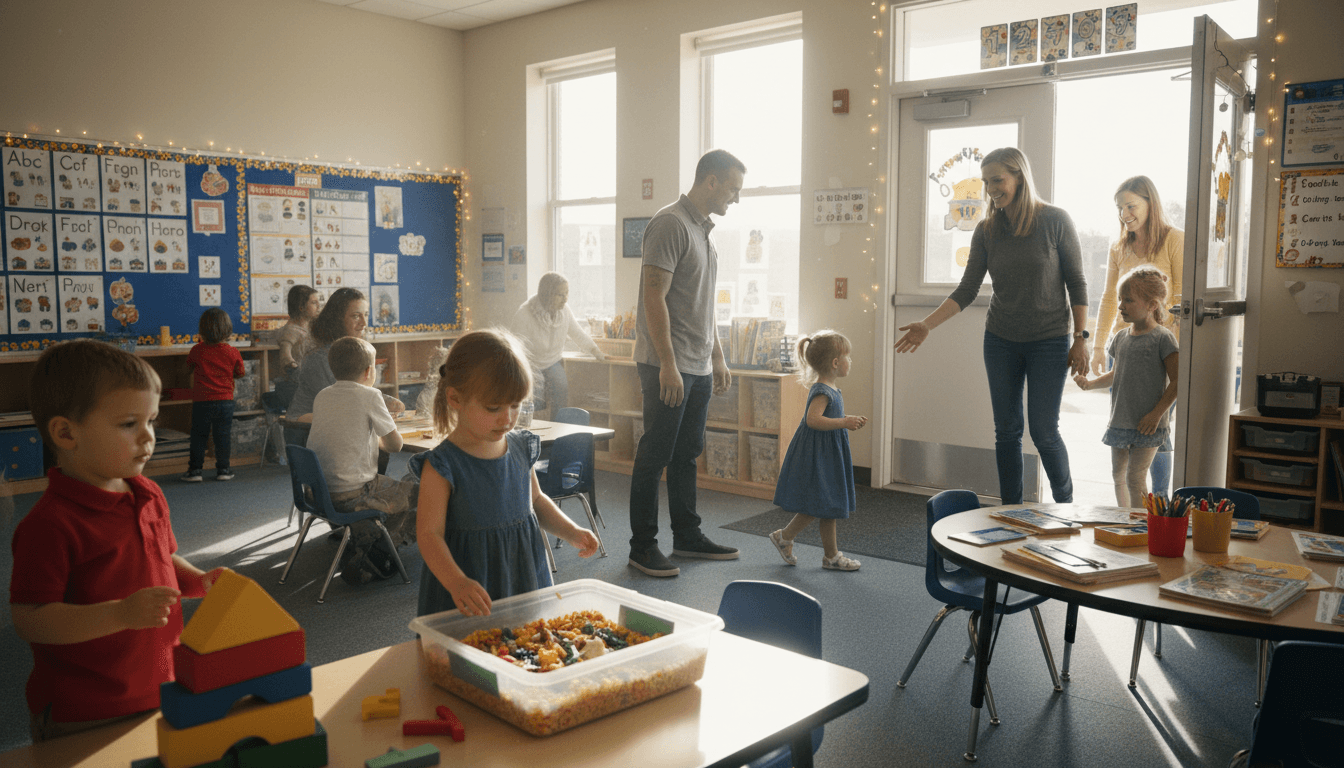
Kindergarten First Day Newsletter: What to Send Before and After the Most Emotional Day of the Year
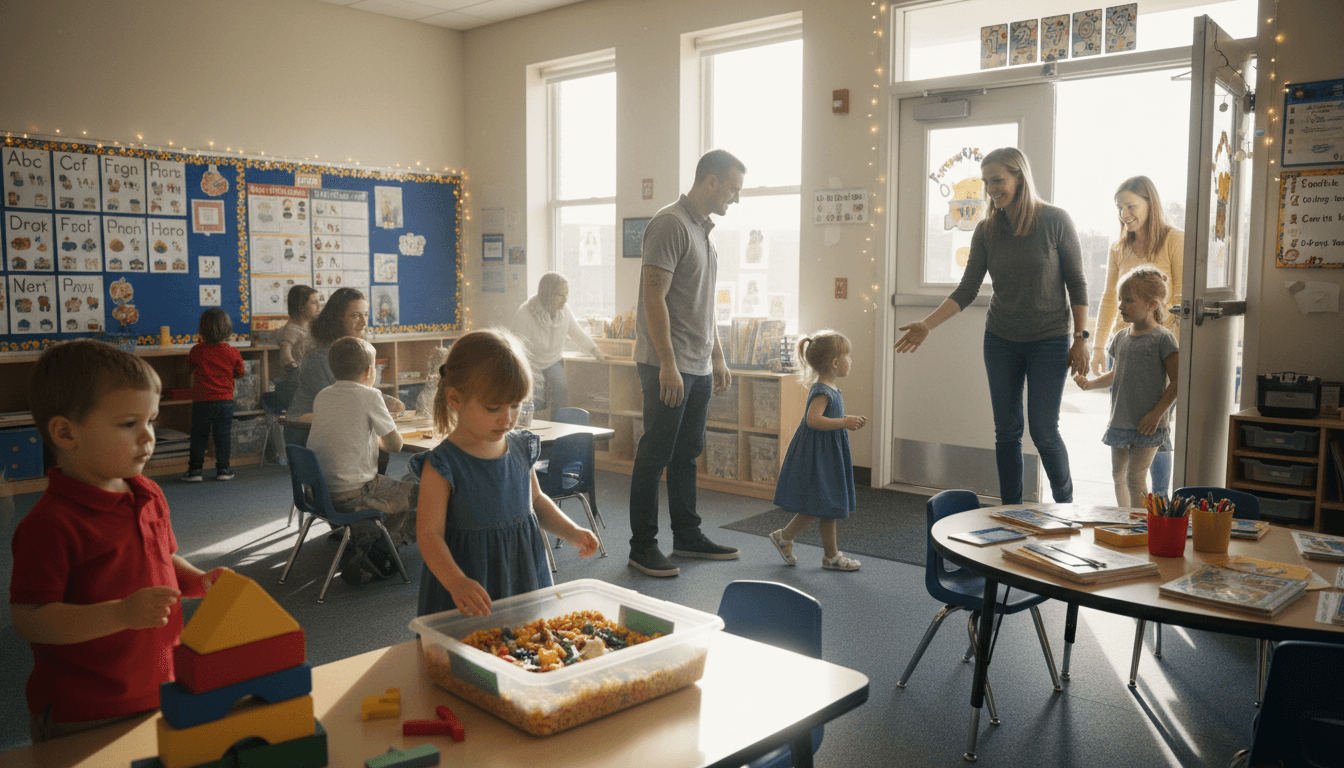
There is no school day with higher family anxiety than the first day of kindergarten. Parents are sending their child into an environment they cannot see or control, often for the first time. They have no idea what is happening in that classroom. They are checking their phone obsessively. A kindergarten teacher who understands this emotional reality and plans communication around it sets up a parent relationship that carries the whole year.
Two newsletters anchored to the first day, one before and one after, do more for family trust in the first week than anything else a teacher can send.
The pre-first-day newsletter
Send the pre-first-day newsletter the evening before school starts or early on the morning of the first day. It should be warm, brief, and address the specific things families are anxious about:
- Drop-off logistics: where to park, which entrance to use, what the goodbye process looks like
- What to do if their child cries at drop-off: a brief, direct reassurance that this is normal and that children almost always settle quickly after parents leave
- When and where pickup happens
- What their child will need to bring and what is not necessary
- A brief, genuine note about how excited the teacher is to meet them
Managing drop-off anxiety through the newsletter
The newsletter cannot control how parents feel at drop-off but it can give them a framework. "If your child is upset when you say goodbye, give them a confident hug, say a cheerful goodbye, and go. Lingering makes it harder for both of you. I will send you an update this afternoon."
That sentence, plain and direct, helps parents navigate one of the hardest moments of early parenthood. It also reduces the extended goodbyes in the hallway that disrupt every other child's first-morning experience.
The end-of-day update
Send the end-of-day update before pickup or by early evening. It should cover three things: a brief account of what the class did, a general note about how the children managed the day emotionally, and one specific thing the children loved or did well.
Do not write about individual children in the class-wide newsletter. But do write with enough warmth and specificity that every parent reading can picture their child in a happy classroom.
Setting up the communication pattern for the year
Close the end-of-day first-day newsletter with a brief note about your regular communication pattern. When they can expect to hear from you during a typical week, the best way to reach you with questions, and what the next few days will bring. This preview gives families a structure they can rely on and reduces the uncertainty that drives anxious emails.
Get one newsletter idea every week.
Free. For teachers. No spam.
Frequently asked questions
Should the first-day kindergarten newsletter go out before or after the first day?
Both. A pre-first-day newsletter sent the evening before or the morning of school addresses family anxiety directly and provides final logistics. An end-of-day or evening newsletter after the first day gives families the update they have been waiting for all day. The two together create a communication loop that reduces anxious calls and sets a positive tone for the year.
What do parents most want to know after their child's first day of kindergarten?
They want to know their child was safe, happy, and not upset for long if they cried at drop-off. A brief, warm note from the teacher about how the day went, one or two specific activities the class did, and a note about what to expect tomorrow are the three things parents are most desperate for.
How do you handle the newsletter when some children had a hard first day?
Write the end-of-day newsletter to the class as a whole rather than addressing individual situations. Note that transitions are hard for some children and that is completely normal, that you saw strength and curiosity in every child, and that the second day is almost always easier than the first. Save individual situations for personal follow-up with those specific families.
How long should the first-day kindergarten newsletter be?
Short. Three to five short paragraphs for the pre-day newsletter and two to three paragraphs for the end-of-day update. Parents are stressed on the first day and will read something brief that gets to the point faster than they will read a long letter that buries the reassurance.
How does Daystage help kindergarten teachers send first-day newsletters?
Daystage makes it easy to send quick inline emails to a class subscriber list without building a new email each time. Teachers use it for same-day updates that render directly in the inbox so parents see the message immediately without needing to open an attachment or navigate to a website.

Adi Ackerman
Author
Adi Ackerman is a former classroom teacher and curriculum writer with 8 years in K-8 schools. She writes about school communication, parent engagement, and what actually works in real classrooms.
More for Kindergarten Transition
Kindergarten Night Newsletter: How to Prepare Families for Meet-the-Teacher Night
Kindergarten Transition · 5 min read
Kindergarten Schedule and Routine Newsletter: How to Help Families Prepare for a Structured School Day
Kindergarten Transition · 5 min read
Kindergarten Teacher Introduction Newsletter: How to Introduce Yourself to Families Before the Year Begins
Kindergarten Transition · 5 min read
Ready to send your first newsletter?
3 newsletters free. No credit card. First one ready in under 5 minutes.
Get started free