
Kindergarten Community Helpers Newsletter Guide
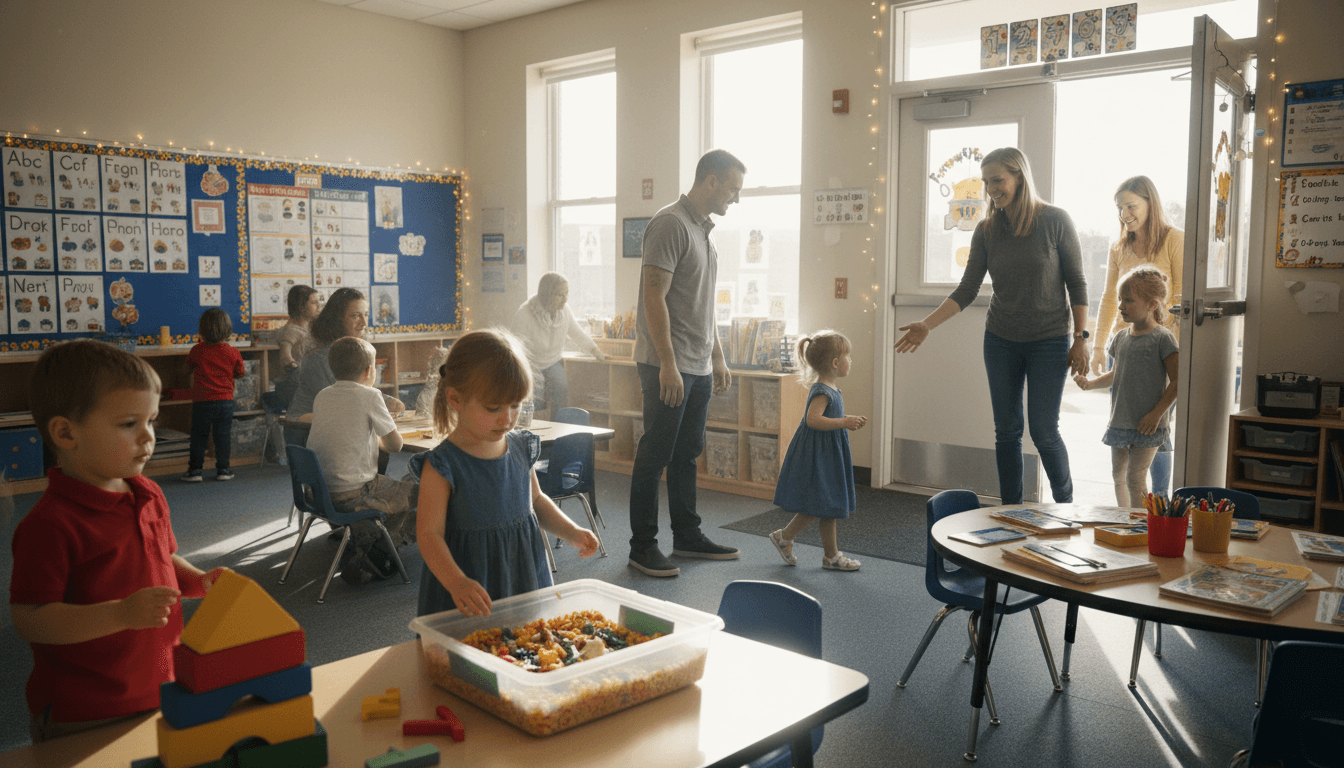
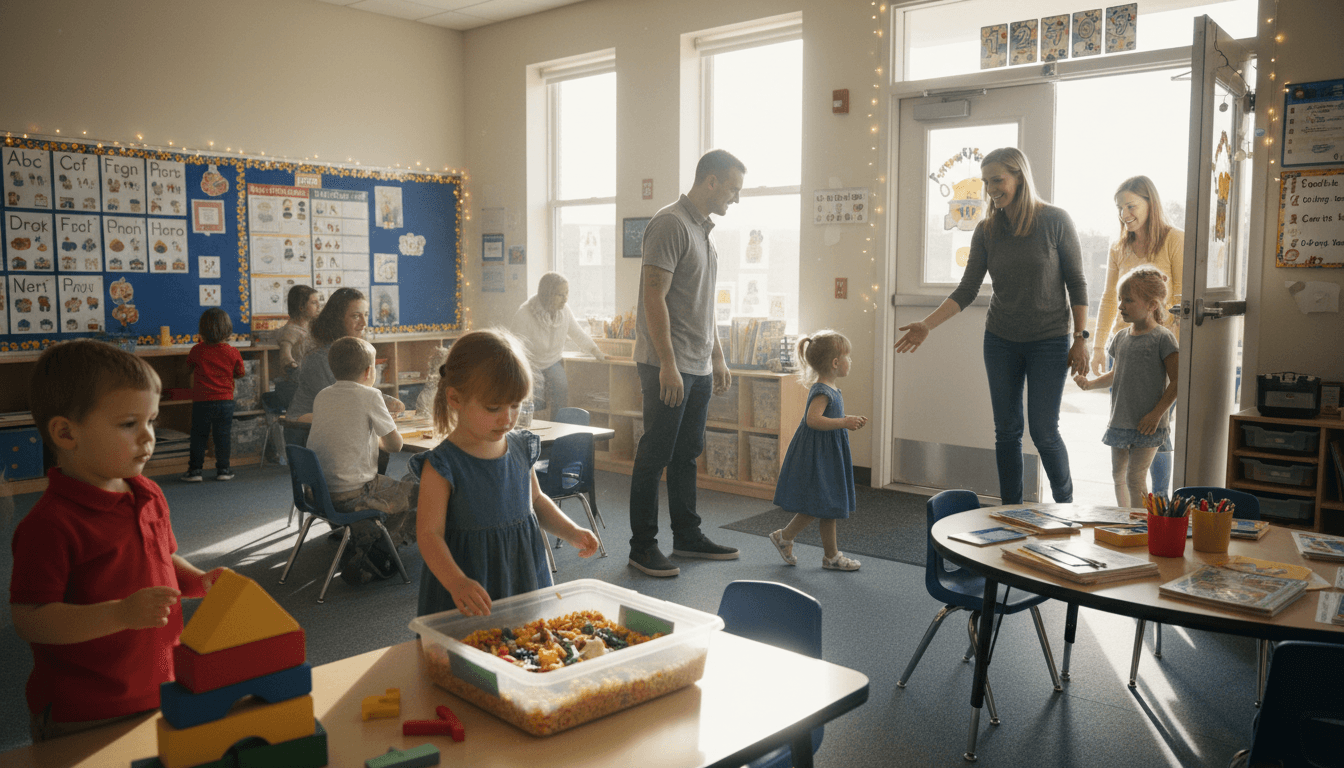
The community helpers unit is one of the most natural connection points between school learning and family life. It gives teachers a genuine reason to invite families into the classroom and gives families a meaningful way to contribute to their child's education beyond helping with homework.
The community helpers newsletter
Subject line: We want to hear about your job: community helpers unit and family career visits
Opening: Our kindergarten class is beginning a unit on community helpers -- the people who do the jobs that keep our community running. As part of this unit, we are inviting family members to share their jobs with the class. Here is how it works and how to sign up.
What students are learning
Describe the unit briefly so families understand the context for the invitation. "Students are learning about the different jobs people do in a community and why each job matters. We are reading books about community helpers, exploring what tools different workers use, and talking about how all kinds of jobs contribute to a neighborhood, city, and world."
Name a few specific jobs the class has discussed so far. Families who see their own work mentioned or adjacent to it mentioned are more likely to feel their participation is welcome.
How to share your job with our class
Make the invitation concrete and the ask manageable. "We are inviting family members to visit the class for 15-20 minutes to share what they do. You can come in person or join us via video call if in-person is not possible. You do not need to be a speaker or prepare anything formal. Just tell us what you do, why it matters, and show us anything you can bring."
"We welcome every kind of job. Doctors, teachers, electricians, truck drivers, artists, farmers, retail workers, office workers, caregivers, and everything else. To a kindergartner, every job is fascinating."
What to expect during your visit
Prepare family volunteers for the format. "Students will listen to your introduction, see any tools or items you bring, and then ask you questions. Kindergartners ask excellent questions. Some of them will be about what you eat for lunch. All of them will be genuine."
How to sign up
Give families a clear, low-friction way to sign up. "Email me at [address] with your name, your job, and a few dates that work for you. I will confirm a time within one school day." Include a sign-up link if you are using one.
Extending the learning at home
Give families conversation starters for home. "Ask your child what community helpers we have talked about and what job sounds most interesting to them. You can also talk about your own job in more detail than we have time for in the classroom. Five-year-olds are genuinely curious about what their family members do all day."
Get one newsletter idea every week.
Free. For teachers. No spam.
Frequently asked questions
What is the community helpers unit in kindergarten?
The community helpers unit introduces young children to the roles people play in maintaining the community: doctors, teachers, firefighters, sanitation workers, librarians, postal workers, farmers, police officers, construction workers, and many others. The unit builds social studies knowledge, expands vocabulary, and introduces the idea that every job in a community contributes something valuable.
How can families participate in the kindergarten community helpers unit?
By sharing their own jobs with the class. A brief in-person or video visit from a family member who works in any field gives students a real-world connection to the concept and makes the family feel meaningfully involved in classroom learning. The newsletter should invite every family regardless of job type: an office worker, a stay-at-home parent, a delivery driver, and a surgeon are all equally interesting to five-year-olds.
What should family career visitors cover in a kindergarten classroom visit?
What they do in a typical day, what tools or equipment they use, why their job is important to the community, and two or three objects or photos they can show the class. A kindergarten visit is usually 15-20 minutes, ends with student questions, and works best when the visitor brings something physical for students to see or hold.
How do you ensure all family jobs are valued equally in the community helpers unit?
By explicitly naming diverse jobs in the newsletter and framing all work as community contribution. 'We want to hear from families in all kinds of jobs: healthcare, education, trades, retail, transportation, food service, office work, and anything else you do. Every job that contributes to our community is worth sharing.' This framing prevents the implicit hierarchy that sometimes emerges when schools invite only high-prestige professionals.
How does Daystage help with the kindergarten community helpers unit communication?
Daystage lets teachers send the community helpers newsletter to all families at once and collect career visit sign-ups through the platform. Teachers can schedule the newsletter early enough in the unit to give families time to prepare, send a reminder to families who have not responded, and share a summary of the unit with photos and reflections after it concludes.

Adi Ackerman
Author
Adi Ackerman is a former classroom teacher and curriculum writer with 8 years in K-8 schools. She writes about school communication, parent engagement, and what actually works in real classrooms.
More for Kindergarten Transition
Kindergarten Social Skills Newsletter: How to Help Families Prepare Children for Classroom Community Life
Kindergarten Transition · 5 min read
Kindergarten Assessment Newsletter: How to Explain Assessments to Families Without Creating Test Anxiety
Kindergarten Transition · 5 min read
Kindergarten Gifted Identification Newsletter Guide
Kindergarten Transition · 5 min read
Ready to send your first newsletter?
3 newsletters free. No credit card. First one ready in under 5 minutes.
Get started free