
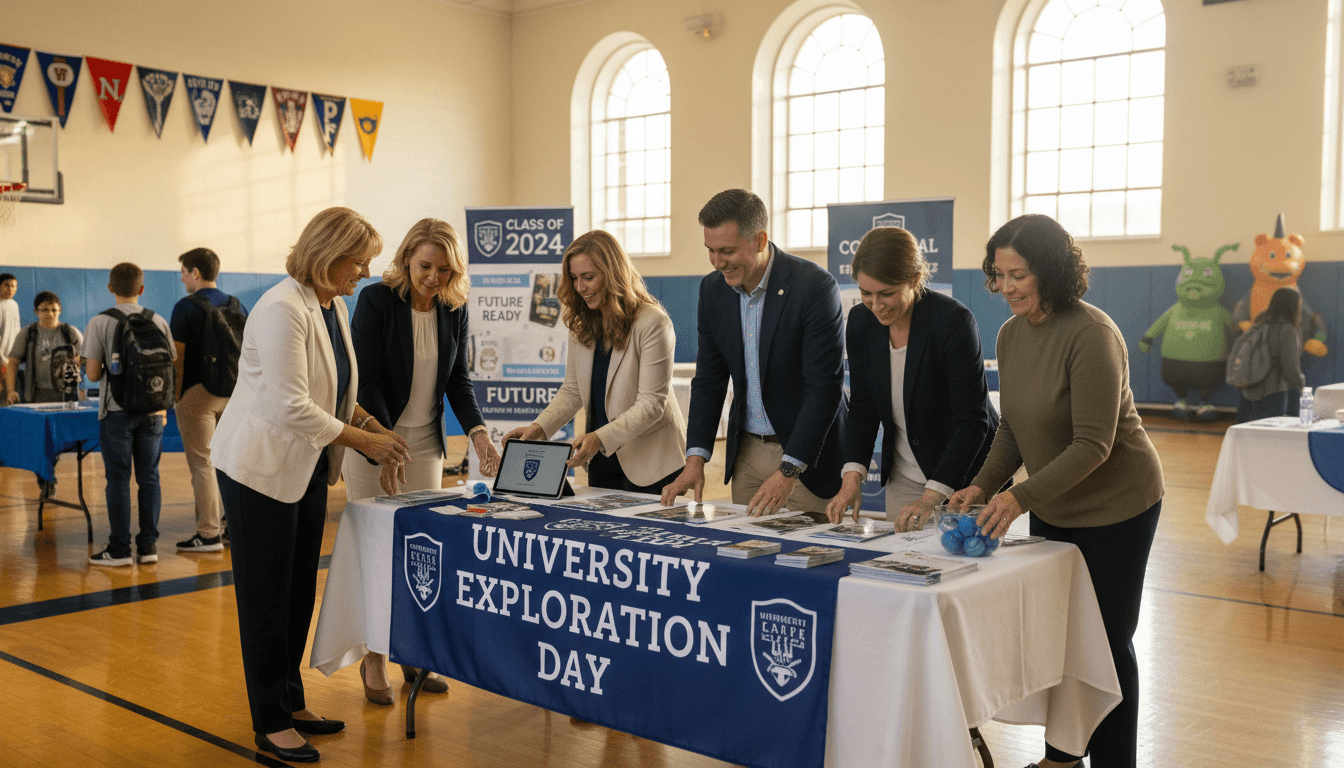
12th Grade Parent Volunteer Newsletter: How to Involve Senior Families in the Final Year
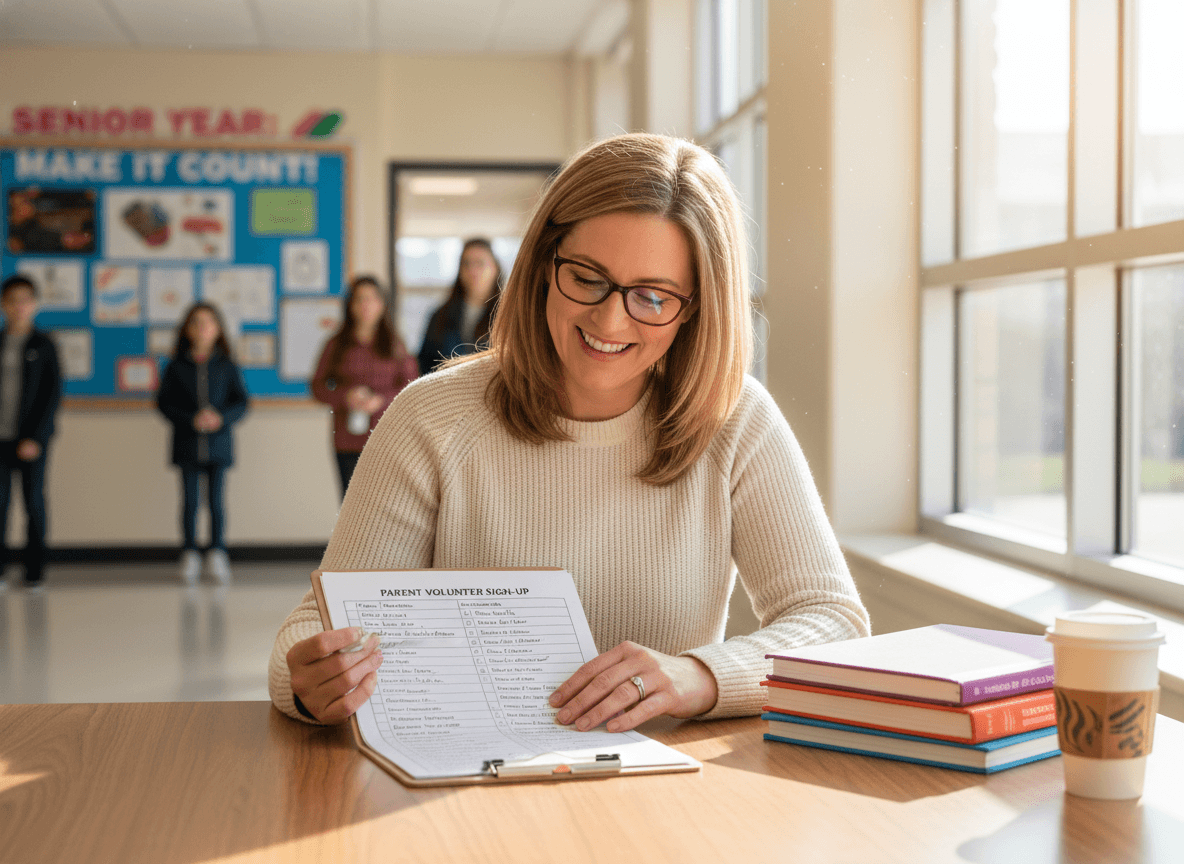
Senior year is the one year parents most want to show up for, and the one year when coordinating that involvement requires real planning. Between college applications, AP exams, FAFSA deadlines, graduation requirements, and the emotional reality of a final year, both teachers and families are managing a packed calendar. The 12th grade parent volunteer newsletter is the tool that brings that coordination into focus.
Done well, it transforms a vague desire to help into specific, manageable contributions that actually move things forward for students. This guide covers how to structure that newsletter, what to include each month, and how to keep families engaged through the full arc of senior year.
Why Senior Year Volunteer Communication Is Different
In earlier grades, parent volunteering often centers on classroom activities: reading groups, science fair judges, field trip chaperones. In 12th grade, the classroom itself takes a back seat to milestones. Parents who want to volunteer are thinking about graduation, senior events, college application support, and anything that marks the significance of this final chapter.
That shift changes what you put in a volunteer newsletter. You are not asking parents to come in on a Tuesday morning to help with a project. You are inviting them to be part of the ceremonies and events that will define how students and families remember this year. That framing matters. It raises the stakes of the ask in a way that motivates more engagement, not less.
What to Include in the August or September Issue
The first newsletter of senior year should do three things: orient families to the year ahead, give them a full picture of volunteer opportunities from September through June, and tell them exactly how to sign up. Do not make families wait for information you already have.
A strong opening issue covers the major senior year milestones on the school calendar, a brief explanation of each volunteer opportunity and the time commitment involved, a clear sign-up process, and a contact name for questions. Many teachers include a one-page volunteer calendar as a linked attachment. Parents with demanding work schedules need that advance notice to actually show up.
College Application Season and Family Support Roles
October and November are the most intense months of senior year for college-bound students. Early decision and early action deadlines cluster in November, regular decision deadlines follow in January, and FAFSA completion is a parallel track running through the fall. Your newsletter during this window serves two functions at once: informing parents about the timeline and inviting specific volunteer support.
Volunteer roles during college application season might include staffing a drop-in application workshop, helping first-generation students and families navigate FAFSA, reviewing personal statement drafts under teacher supervision, or organizing a college representative visit schedule. These contributions directly affect student outcomes, and parents who understand that context are more motivated to give time.
Graduation Planning Needs Early Volunteer Investment
Graduation ceremony logistics consume more coordination effort than any other high school event. Cap and gown orders, senior portrait scheduling, rehearsal logistics, commencement venue setup, the senior class gift, the senior breakfast or banquet, grad night planning: each of these has a volunteer component, and each has its own timeline.
Your January or February newsletter is the right time to shift focus toward graduation. Give families a clear picture of what the next five months look like and where their help is most needed. Some parents have professional skills that are directly useful: graphic design for the graduation program, catering connections for the senior banquet, or project management experience for coordinating volunteers across multiple events.
Recognizing Volunteers in Every Issue
Public recognition is one of the most effective tools in volunteer communication. A short section at the end of each newsletter that names the parents who helped the previous month accomplishes several things: it thanks people who gave time, it shows other families that volunteering is real and valued, and it creates social proof that participation is normal in your classroom community.
Keep the recognition brief and specific. "Thank you to the Johnson, Okonkwo, and Martinez families for staffing our college application drop-in last Thursday" is more meaningful than a generic paragraph. Specificity signals that you actually noticed and that the help made a difference.
Managing Senioritis in Your Volunteer Communication
Senioritis is real, and it affects parents as well as students. By spring semester, many families are emotionally checked out in anticipation of graduation. College decisions have arrived, acceptances have been celebrated, and the summer feels close. Volunteer engagement typically drops in March and April.
Anticipate this in your spring newsletters. Make the asks smaller and more specific. A two-hour commitment to graduation rehearsal setup is a much easier yes than a vague request for ongoing involvement. Remind families that the students who still need the most support during spring are often the ones with the most uncertain post-graduation paths, and that senior year does not end until the diploma is in hand.
Closing the Year with Gratitude
Your final newsletter of the year, typically sent in late May or early June, is a meaningful document for families to receive. It marks the end of a K-12 journey that most parents have been invested in for eighteen years. Take the space to acknowledge every family that contributed volunteer time, to reflect briefly on what the class accomplished, and to wish students well in whatever comes next.
A genuine, specific closing note from a teacher carries more weight than most families let on. Many will save it. Write it as if you mean it, because senior year parent volunteers are investing not just time but emotional energy, and that deserves a real acknowledgment.
Get one newsletter idea every week.
Free. For teachers. No spam.
Frequently asked questions
Why does parent volunteering look different in 12th grade compared to earlier years?
Senior year carries a different emotional weight for families. Parents are watching their child cross the finish line of K-12 education while simultaneously navigating college applications, FAFSA deadlines, scholarship searches, and graduation logistics. Volunteering in 12th grade is less about classroom support and more about milestone events: college fair prep, senior night, graduation ceremony coordination, and community celebration. The newsletter needs to reflect that shift.
When should the first parent volunteer newsletter go out for 12th grade?
The first week of school is the right time. Senior year moves fast. Graduation cap-and-gown deadlines, college application workshops, and senior portrait coordination all appear in the first two months. Parents who want to help need to know about opportunities before the calendar fills up. A late August or early September newsletter that outlines the full year's volunteer touchpoints lets families plan their availability early.
What are the most common 12th grade volunteer opportunities worth highlighting in a newsletter?
The most impactful opportunities in senior year include college application workshop support, financial aid night facilitation, senior class fundraisers, graduation rehearsal logistics, commencement ceremony setup and coordination, senior breakfast or banquet planning, and any senior-specific community events the school runs. Some parents also volunteer as informal mentors for first-generation college students who need extra guidance on applications and FAFSA.
How do you keep parent volunteers engaged through a year that gets increasingly busy and emotional?
Short, specific asks work better than open-ended calls for help. Instead of asking parents to 'be available,' give them a concrete two-hour window for a defined task. Acknowledge in your newsletters that senior year is demanding for families too. A brief public thank-you section in each monthly newsletter, naming the parents who helped the previous month, builds a culture of visible appreciation and encourages others to step up.
What newsletter tool works best for coordinating 12th grade parent volunteers?
Daystage is built for exactly this kind of ongoing parent communication. Teachers can create a monthly newsletter with a recurring volunteer section, include direct sign-up links, and send reliably to every family's inbox. Over the course of senior year, that consistent communication channel becomes the place families look first when they want to get involved. It takes the back-and-forth out of volunteer coordination.

Adi Ackerman
Author
Adi Ackerman is a former classroom teacher and curriculum writer with 8 years in K-8 schools. She writes about school communication, parent engagement, and what actually works in real classrooms.
More for High School
12th Grade Classroom Newsletter Ideas: What to Send Senior Parents All Year
High School · 7 min read
Eleventh Grade Parent Volunteer Newsletter: How to Recruit and Engage Junior Year Families
High School · 6 min read
12th Grade Curriculum Overview Newsletter: Helping Senior Families Understand the Final Year Coursework
High School · 6 min read
Ready to send your first newsletter?
3 newsletters free. No credit card. First one ready in under 5 minutes.
Get started free