

12th Grade Field Trip Newsletter: Planning Senior Year Trips That Families Will Actually Support
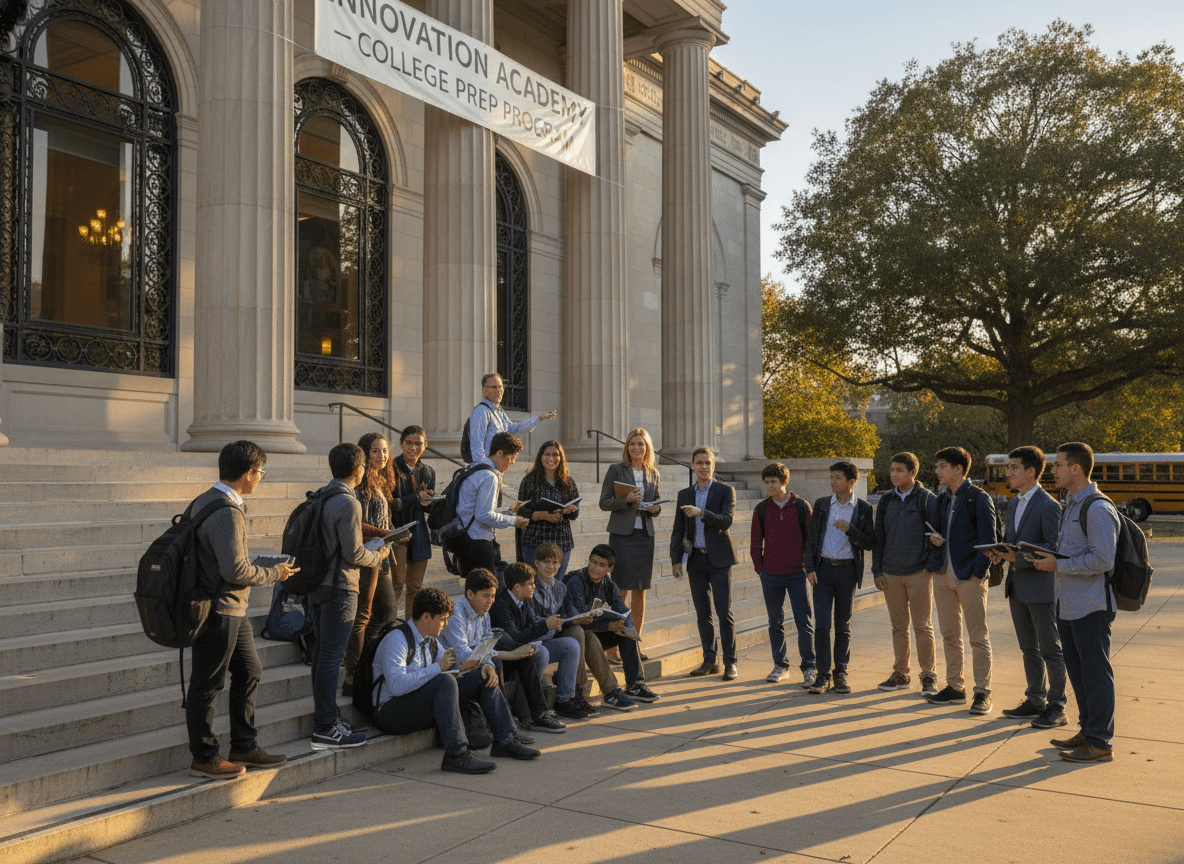
Field trips in senior year carry a different weight than they do in 9th or 10th grade. For many students, these are the last organized group learning experiences of their K-12 education. For teachers, they are an opportunity to connect curriculum to the real world at a moment when students are about to step into it. For families, they are a logistics event that requires advance notice, clear information, and sometimes a financial commitment.
A 12th grade field trip newsletter that handles all of this well makes the difference between a trip that runs smoothly and one that generates stress, confusion, and last-minute complications. This guide covers what to include, how to frame the experience for senior families, and how to address the specific considerations that come up in the final year of high school.
Why Field Trips in Senior Year Are Different
The best senior year field trips are connected to what students are moving toward. A visit to a college campus, a professional work environment, a research institution, a civic organization, or a cultural venue that ties to the course content is more meaningful in senior year because students are in the process of figuring out where they belong in the adult world.
A field trip newsletter that articulates this connection does something important: it gives families a reason to be enthusiastic about the experience rather than just compliant with it. Parents who understand why a trip to a university research lab is relevant to their student's senior year science course will support the trip differently than parents who see it as a day away from academics.
The Permission Process for 18-Year-Olds
Senior classes include a mix of 17 and 18-year-old students. Once a student turns 18, they are a legal adult, and many schools allow them to sign their own permission forms. Your newsletter should state clearly whether your school requires parent authorization for all students regardless of age, or whether 18-year-olds can self-authorize.
This is a detail that sounds minor but causes real confusion if it is left ambiguous. A family who receives a permission form for a student who is already 18 may wonder why it was sent. An 18-year-old who assumes they can sign for themselves but whose school still requires a parent signature may miss the trip. One clear sentence in the newsletter prevents both situations.
Logistics: What Families Need to Know Before They Agree
The logistics section of a field trip newsletter should cover everything a family needs to make an informed decision about the trip. This includes the date, departure and return times, the mode of transportation, the destination, what students should bring including dress code requirements, whether meals are provided or students need to bring food, and any physical or accessibility requirements that families need to know about.
For senior trips that involve overnight stays or travel to a more distant location, the logistics section needs to be more detailed. Accommodation arrangements, supervision ratios, emergency contact procedures, and the school's policy on behavior expectations away from campus are all relevant.
Cost and Financial Support Options
Cost is the practical barrier that prevents some students from participating in field trips, and it is a barrier that can be addressed if it is communicated clearly and early. Your newsletter should state the total cost per student, what that cost covers, the payment due date, and what the refund or credit policy is if a student cannot attend.
More importantly, if any financial assistance is available, say so explicitly. Many schools have student activity funds, community donations, or partner organizations that can subsidize trip costs for students who cannot pay. But families who do not know about these resources will not ask, and students who cannot afford the trip will simply not go. One sentence about how to request support can change that outcome.
Academic Requirements Tied to the Trip
If the field trip has academic requirements attached, explain them in the newsletter. A reflection essay, a lab report, a discussion contribution, or a presentation connected to the trip tells families that this is a learning experience, not a free day. It also tells students before they go what they are responsible for when they return, which is better than announcing it on the bus ride home.
For AP courses in particular, tying a field trip to the course content and explaining how it connects to exam preparation or major assignments reinforces that the trip is academically justified, not just logistically convenient.
Senior Year Traditions and Culminating Trips
Some schools have senior class trips or culminating excursions that are traditions, separate from any individual course's curriculum. If your newsletter is covering one of these, the framing shifts from "this supports our learning objectives" to "this marks the end of a chapter." Both framings have value. Senior traditions matter to families, and a trip that closes out the high school experience deserves to be communicated with that weight.
Families who receive a newsletter that acknowledges the milestone quality of a senior trip are more likely to prioritize it on a crowded calendar than families who receive a form that reads like a generic permission slip. The tone of your communication determines the level of engagement you get back.
Follow-Up After the Trip
A brief follow-up newsletter after the trip closes the loop for families who did not attend and creates a record of the experience. Include a few highlights, any student reflections worth sharing, and how the trip connected to what comes next in the course or in the students' lives. This kind of follow-through signals to families that the trip was meaningful and that their family's support, whether financial, logistical, or as a chaperone, contributed to something real.
Get one newsletter idea every week.
Free. For teachers. No spam.
Frequently asked questions
What types of field trips make the most sense for 12th grade specifically?
Senior year field trips carry more meaning when they connect to what students are transitioning toward. College campus visits, whether individual or as a class cohort, are uniquely relevant in senior year. Career site visits, professional environments in fields students are considering, and community engagement experiences tied to capstone projects are all valuable. A final semester field trip that marks the end of the high school chapter can also serve a ceremonial purpose, recognizing the milestone students are completing.
What should a 12th grade field trip newsletter include that earlier grades do not need?
Senior year field trip newsletters should connect the trip explicitly to the post-secondary relevance of the experience. Parents of seniors are thinking about what prepares their student for what comes next, and a field trip that has a clear connection to college readiness, career exploration, or civic engagement is easier to support than one that reads as a reward for getting through high school. The newsletter should also cover any academic requirements tied to the trip.
How should a field trip newsletter handle permission for students who are 18?
Once a student turns 18, they are legally an adult and can sign their own permission forms in most districts. However, school policy varies, and some require a parent or guardian signature regardless of student age. Your newsletter should state clearly what the permission process is and whether 18-year-old students can self-authorize. Families who are used to signing permission forms for thirteen years will appreciate the explanation rather than being confused by a form that shows up in their student's backpack instead of their inbox.
What is the best way to communicate field trip cost to 12th grade families?
State the cost clearly and early, not buried in the middle of the newsletter. Include what the cost covers, when payment is due, what the refund policy is if a student cannot attend, and whether any financial assistance is available for students who cannot pay. Senior year families are managing college application fees, AP exam costs, graduation expenses, and potentially senior trip fees simultaneously. Being transparent about costs and support options reduces last-minute complications.
What newsletter tool works best for 12th grade field trip communication?
Daystage lets teachers build a complete field trip newsletter that covers dates, logistics, cost, permission requirements, and learning objectives in a clean, readable format families will actually read. You can include links to permission forms, payment portals, or the school's field trip policy, and send it directly to parent inboxes with enough lead time for families to plan. A professional-looking newsletter signals that the trip is well-organized, which increases family confidence and participation.

Adi Ackerman
Author
Adi Ackerman is a former classroom teacher and curriculum writer with 8 years in K-8 schools. She writes about school communication, parent engagement, and what actually works in real classrooms.
More for High School
12th Grade Parent Volunteer Newsletter: How to Involve Senior Families in the Final Year
High School · 6 min read
12th Grade Science Unit Newsletter: Connecting Senior Year Labs and AP Content to What Families Need to Know
High School · 6 min read
Eleventh Grade Field Trip Newsletter: How to Communicate Everything Families Need to Know
High School · 6 min read
Ready to send your first newsletter?
3 newsletters free. No credit card. First one ready in under 5 minutes.
Get started free