
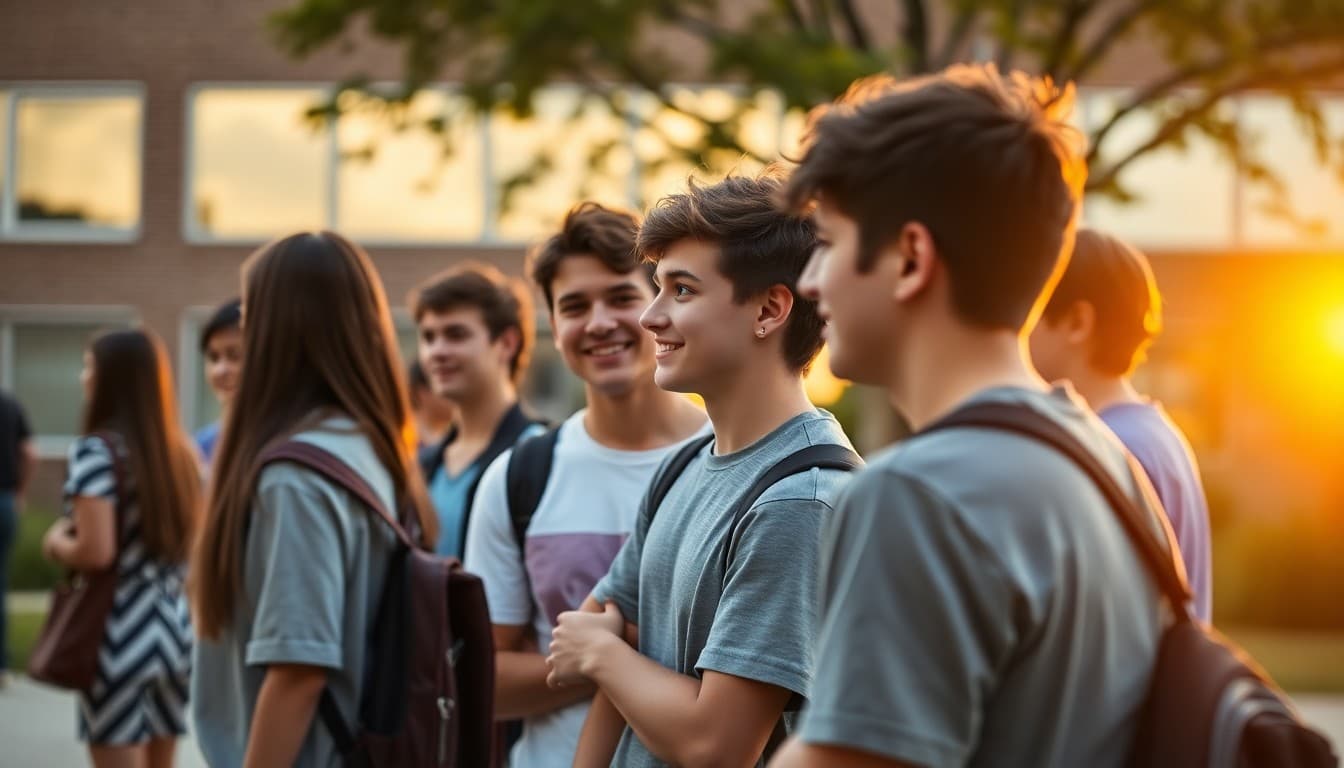
Teacher Newsletter for Senior Sunset Events: Celebrating the Final Chapter With Families
What a Senior Sunset Represents
A senior sunset is one of the few high school traditions that does not have a grade, a test, or an application attached to it. It is simply a gathering of people who have been together for years, at a meaningful place, at an hour that is both an ending and a beginning. Teachers who communicate this clearly in a newsletter give students and families permission to approach the event with the emotional openness it deserves rather than treating it as another item on the end-of-year calendar.
Event Details: What to Expect
A senior sunset newsletter should give families the practical information first: date, start time, location on campus, what the event looks like, and how long it typically runs. If there is a tradition that has characterized the event in prior years, describing it briefly gives students who are new to the tradition a sense of what to expect and helps build the same anticipation that makes the event meaningful for those who have witnessed it for upperclassmen.
Student-Only or Family Invited?
Many senior sunsets are student-only by tradition, reflecting the idea that the event is for the graduating class to share among themselves. Others welcome families as witnesses to the moment. A newsletter that states this clearly prevents family members from showing up at an event designed for seniors alone or missing an event they were expected to attend. Clarity here is respectful to both groups.
What to Bring and How to Dress
If the event is outdoors, a newsletter recommendation to bring a blanket, wear comfortable clothes, and expect the weather typical of late spring evenings helps students arrive practically prepared. If there is a custom, such as wearing class t-shirts or bringing a specific item, naming it ensures everyone who wants to participate in the tradition can do so.
Connecting the Event to the Larger Senior Experience
A newsletter that places the senior sunset in the context of the final weeks, after the last day of classes, after senior week events, and before graduation, helps families understand where it fits in the emotional arc of the senior experience. Students who have a map of these final events can be fully present at each one rather than anxious about what comes next.
For Teachers: What the Sunset Means
Senior sunsets often carry significant emotional weight for teachers who have known students across multiple years. A newsletter that expresses this directly, acknowledging that the school community is marking a real transition and that the student cohort is appreciated, gives the communication a human quality that administrative announcements rarely have. That quality is what families share with their student.
Keeping Families Connected Through the Final Weeks With Daystage
High school teachers who use Daystage for end-of-year senior newsletters create a communication experience that matches the significance of the events they are covering. A series of well-crafted newsletters across the final month of school honors the importance of the senior year conclusion for families who have been watching their child arrive at this moment for eighteen years.
Get one newsletter idea every week.
Free. For teachers. No spam.
Frequently asked questions
What is a senior sunset in high school?
A senior sunset is a tradition at many high schools where seniors gather at a meaningful campus location, often an athletic field or outdoor area, at sunset during their final week. The event marks the end of the regular school experience. It often includes music, shared memories, senior speeches, or quiet reflection. The tone is celebratory and reflective simultaneously.
What should a senior sunset newsletter include?
A senior sunset newsletter should explain the date, time, and location of the event, what is planned or traditional for the gathering, whether it is student-only or families are welcome, what students should bring or wear, and the significance of the tradition for the school community.
Is the senior sunset a school-organized event or student-organized?
Senior sunsets vary: some are formally organized by school administration or student government, others are informal student traditions, and others are a hybrid where the school designates a time and place that seniors know to gather. A newsletter should clarify the organizational structure so families understand what to expect and whether the event is sanctioned.
How can families support the senior sunset experience?
For a student-only senior sunset, families can support by making sure their student knows about the event, encouraging them to attend, and having a conversation afterward about what it meant. If families are invited, attending with genuine presence and openness to the emotional register of the event provides the kind of support seniors appreciate.
What tool helps teachers send newsletters efficiently?
Daystage is built for school communication. High school teachers use it to send formatted newsletters with senior sunset details, school tradition context, and any family participation information directly to senior parent email lists.

Adi Ackerman
Author
Adi Ackerman is a former classroom teacher and curriculum writer with 8 years in K-8 schools. She writes about school communication, parent engagement, and what actually works in real classrooms.
More for High School
Teacher Newsletter for Senior Breakfast Events: What Families Need to Know
High School · 6 min read
Teacher Newsletter: Writing a Letter to Seniors That Families Will Save
High School · 6 min read
Teacher Newsletter for Graduation Party Info: Keeping Families Informed About Senior Celebrations
High School · 6 min read
Ready to send your first newsletter?
3 newsletters free. No credit card. First one ready in under 5 minutes.
Get started free