

Teacher Newsletter for Graduation Party Info: Keeping Families Informed About Senior Celebrations
Why Graduation Night Deserves Its Own Communication
The hours immediately following a graduation ceremony are statistically among the riskiest of the entire school year. Families who receive clear, specific information about school-sponsored and community-organized post-ceremony options are better positioned to make plans that keep their student safe than families who hear about options only through their senior's social network. A newsletter that communicates graduation night options and safety expectations directly is one of the highest-impact communications of the year.
Project Graduation: What It Is and What It Offers
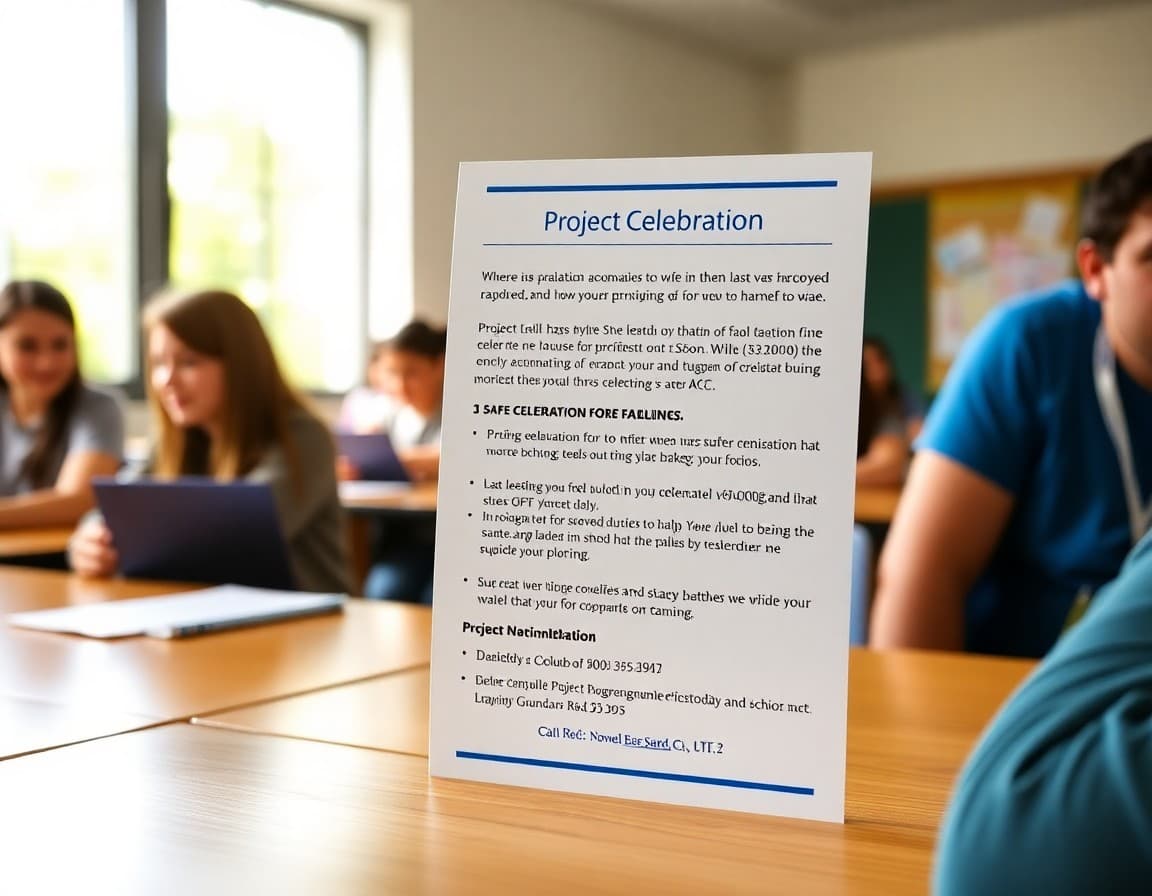
Project Graduation is a supervised, substance-free alternative to unsupervised graduation parties. Events are typically held immediately following the ceremony or beginning in the early evening on graduation night and running through the early morning hours. Food, entertainment, games, prizes, and activities keep students engaged in a safe environment during the hours when the most serious incidents traditionally occur. Your newsletter should explain the event, what is included, and why families can feel comfortable encouraging their senior to attend.
Logistics: Date, Time, Location, and Ticket Information
The practical details of a graduation celebration newsletter matter as much as the safety messaging. What time does the event start and end? Where is it held? How much does a ticket cost and where can families purchase one? Are seniors already registered automatically, or do they need to sign up? Is the event open to guests from outside the school? Answering these questions clearly prevents the confusion that leads families to make alternative plans that are less safe.
How Families Can Get Involved
Project Graduation events require significant volunteer support. A newsletter that explains specific volunteer roles, the time commitment, and how families can sign up gives parents a concrete opportunity to contribute. The senior whose parent is volunteering at Project Graduation is more likely to attend than the senior whose family has no visible connection to the event. Family involvement also improves the quality of the event for everyone.
Discussing Graduation Night With Your Senior
The most effective safety support families can provide is a direct, specific conversation about the graduation night plan before the day arrives. Families who know what their senior plans to do, who they will be with, and how they will get home are in a much better position than those who find out retroactively. A newsletter that provides families with talking points, not scripts but specific questions, helps those conversations happen naturally.
The Broader Context: End-of-Year Family Communication
Graduation night communication is one of several final-weeks newsletters that high school teachers and administrators send. A consistent communication series, covering practice, the ceremony, the party, and the final days of school, gives families a complete picture of the senior year conclusion rather than learning logistics piecemeal. Daystage makes it straightforward to build and send each of these communications on schedule.
Get one newsletter idea every week.
Free. For teachers. No spam.
Frequently asked questions
What should a graduation party information newsletter include?
A graduation party newsletter should explain any school-sponsored post-ceremony celebration (often called Project Graduation), the time, location, and what is included, how families can support or volunteer, what families should know about safe celebration expectations, and any relevant logistics for the day or night after the ceremony.
What is Project Graduation?
Project Graduation is a community-organized, adult-supervised celebration held immediately after the graduation ceremony or on graduation night. It is designed to provide a safe, substance-free alternative to unsupervised parties. Events typically include entertainment, food, games, prizes, and activities that run through the night, keeping seniors engaged in a supervised environment during the high-risk hours following graduation.
How are Project Graduation events typically funded?
Project Graduation events are typically funded through a combination of family donations, community business sponsors, school booster organizations, and ticket sales. A newsletter that explains how the event is funded and how families can contribute, whether through donations, volunteering, or securing sponsorships, helps build the community support the event requires.
What can families do to support safe graduation celebrations?
Families can support safe graduation celebrations by attending and volunteering at Project Graduation, discussing their expectations for the night directly with their senior, knowing their student's plans and who they will be with, and treating the conversation about safety as a normal part of end-of-year celebration planning rather than a sign of distrust.
What tool helps teachers send newsletters efficiently?
Daystage is built for school communication. High school teachers use it to send formatted newsletters with graduation party details, Project Graduation logistics, and volunteer sign-up information directly to senior parent email lists.

Adi Ackerman
Author
Adi Ackerman is a former classroom teacher and curriculum writer with 8 years in K-8 schools. She writes about school communication, parent engagement, and what actually works in real classrooms.
More for High School
Teacher Newsletter for Graduation Practice: Preparing Students and Families for Commencement
High School · 6 min read
Teacher Newsletter for Prom Information: Getting the Details to Families Efficiently
High School · 6 min read
Teacher Newsletter for Senior Sunset Events: Celebrating the Final Chapter With Families
High School · 6 min read
Ready to send your first newsletter?
3 newsletters free. No credit card. First one ready in under 5 minutes.
Get started free