
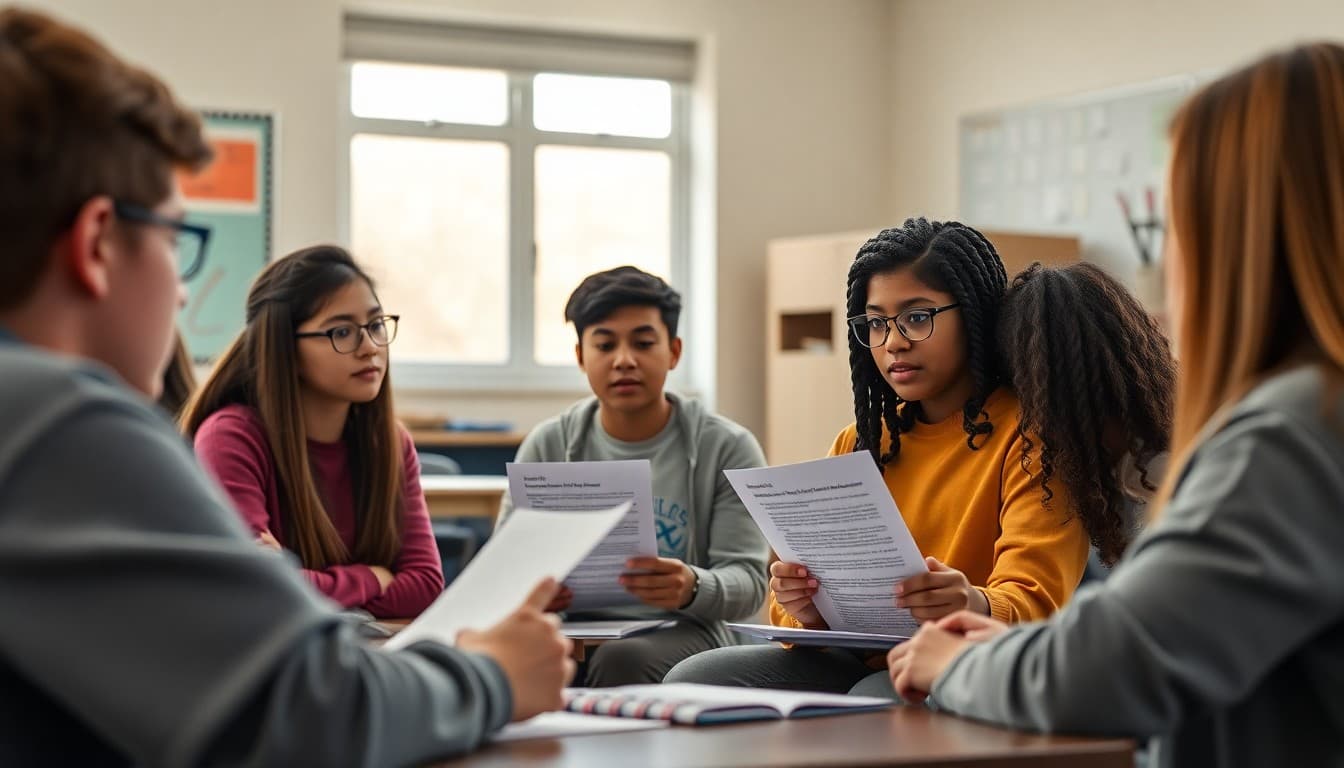
Teacher Newsletter for Scholarship Workshops: Helping Families Navigate Funding Options
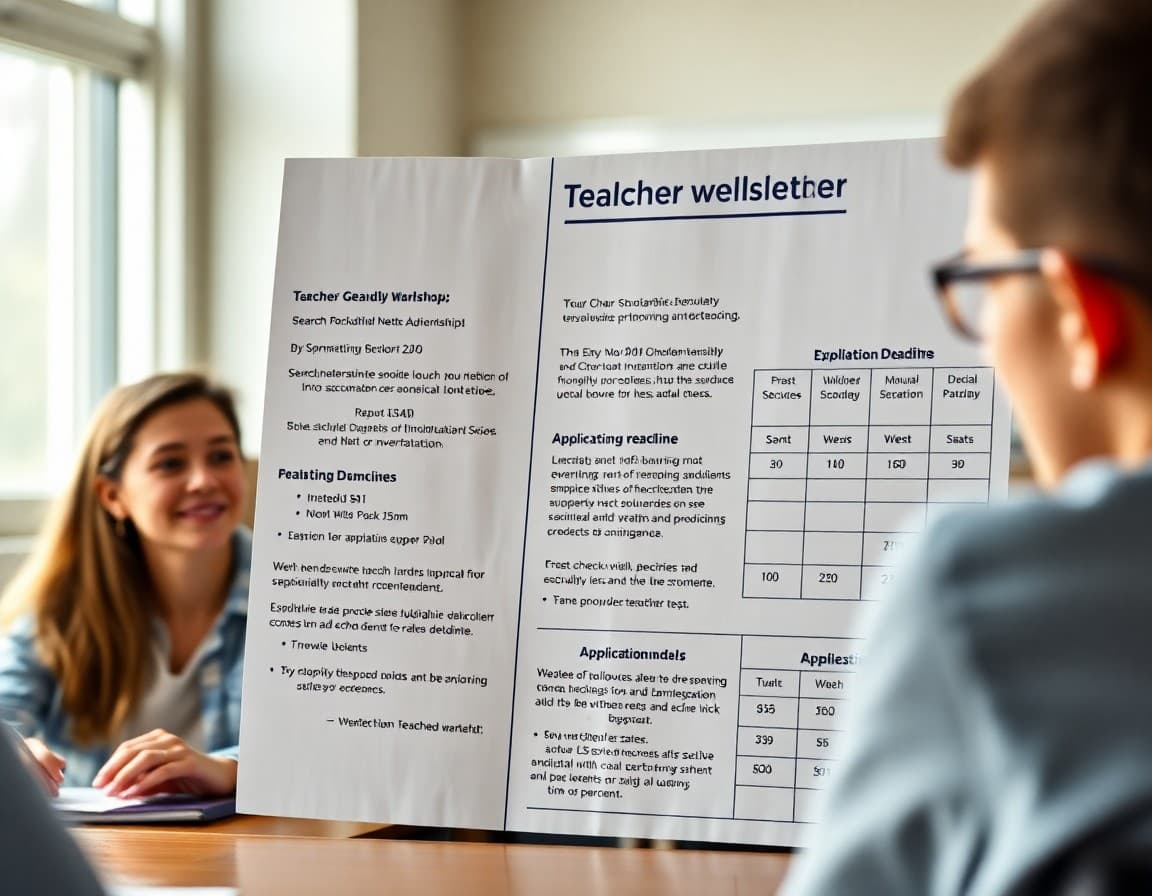
Why Scholarship Workshops Matter More Than Families Realize
Many families assume scholarships are only available to the highest academic achievers or the most financially needy students. In reality, scholarships exist for students with specific interests, backgrounds, intended majors, geographic ties, religious affiliations, and professional ambitions at every academic level. A scholarship workshop that opens students' eyes to the full landscape of available funding can significantly change the financial calculus of college attendance. Your newsletter should set this expectation before the workshop rather than after.
What the Workshop Covers
A workshop newsletter should explain exactly what students will learn and do during the session. Whether the workshop focuses on using search platforms effectively, writing scholarship essays, organizing a tracking system, or meeting with local scholarship sponsors, families who know the agenda can prepare their student to engage rather than arriving without context.
The Search Process: How It Works
Effective scholarship searching is not a one-afternoon activity. It requires building a profile on multiple platforms, reviewing new matches regularly, and maintaining a calendar of application deadlines across different organizations. A newsletter that explains this ongoing process helps families understand why the counselor is recommending a consistent search habit rather than a single intensive session.
Types of Scholarships and What to Apply For
Scholarships range from national awards with hundreds of applicants to local community awards where one strong application may win. Local scholarships are often underutilized because students focus only on the nationally recognized names. Your newsletter should explain that local and regional scholarships often represent the highest probability of award for the time invested, and that accumulating smaller awards adds up significantly.
Scholarship Essays: What Makes Them Work
Scholarship essays require the same authentic specificity that strong college essays demand, but with an additional requirement: the student must make a direct and convincing connection to why they are the right recipient for that specific award. Generic essays that could apply to any scholarship do not win scholarships. Families who understand this can encourage their student to research each organization before writing rather than submitting the same essay everywhere.
Organizing the Application Calendar
Students who apply to scholarships without a tracking system miss deadlines, submit incomplete applications, and lose track of which essay they sent to which organization. A newsletter that recommends a simple tracking approach, whether a spreadsheet or a digital organizer, gives students a concrete system that the counselor has vetted.
Keeping Families Informed With Daystage
Scholarship season generates many questions from families who have not navigated the process before. Counselors who use Daystage for scholarship newsletters provide the baseline information that answers the most common questions, freeing up counseling time for the students who need individual guidance.
Get one newsletter idea every week.
Free. For teachers. No spam.
Frequently asked questions
What should a scholarship workshop newsletter include?
A scholarship workshop newsletter should explain what the workshop covers, what scholarship search platforms students will use, what types of scholarships are available and how they differ, what the essay requirements typically look like, and what families can do to support the application process at home.
When should students start searching for scholarships?
Students should begin scholarship searches in junior year and apply actively throughout senior fall. Many scholarship deadlines fall between October and March. Students who start the search early can spread the application work over months rather than cramming applications alongside college applications in December and January.
What are the best scholarship search platforms?
Widely used scholarship search platforms include Fastweb, Scholarships.com, Bold.org, College Board's Scholarship Search, and state-specific databases. School counselors often have access to local and regional scholarship lists that are not on national platforms. A workshop newsletter should direct students to both national platforms and school-specific resources.
What do scholarship essays require that college essays do not?
Scholarship essays often require a more direct connection between the student's goals, background, or interests and the specific scholarship's purpose. Students who write the same general essay for every scholarship typically do not succeed. Customizing each essay to address what the scholarship organization specifically values requires research before writing.
What tool helps teachers send newsletters efficiently?
Daystage is built for school communication. High school counselors use it to send formatted newsletters with workshop details, scholarship deadlines, and application tips directly to student and parent email lists.

Adi Ackerman
Author
Adi Ackerman is a former classroom teacher and curriculum writer with 8 years in K-8 schools. She writes about school communication, parent engagement, and what actually works in real classrooms.
More for High School
Teacher Newsletter for Financial Aid Night: Preparing Families for FAFSA Season
High School · 6 min read
Teacher Newsletter for College Application Timelines: Keeping Senior Families on Track
High School · 6 min read
Teacher Newsletter for College Essay Units: How Families Can Support Without Taking Over
High School · 6 min read
Ready to send your first newsletter?
3 newsletters free. No credit card. First one ready in under 5 minutes.
Get started free