

Teacher Newsletter for College Essay Units: How Families Can Support Without Taking Over
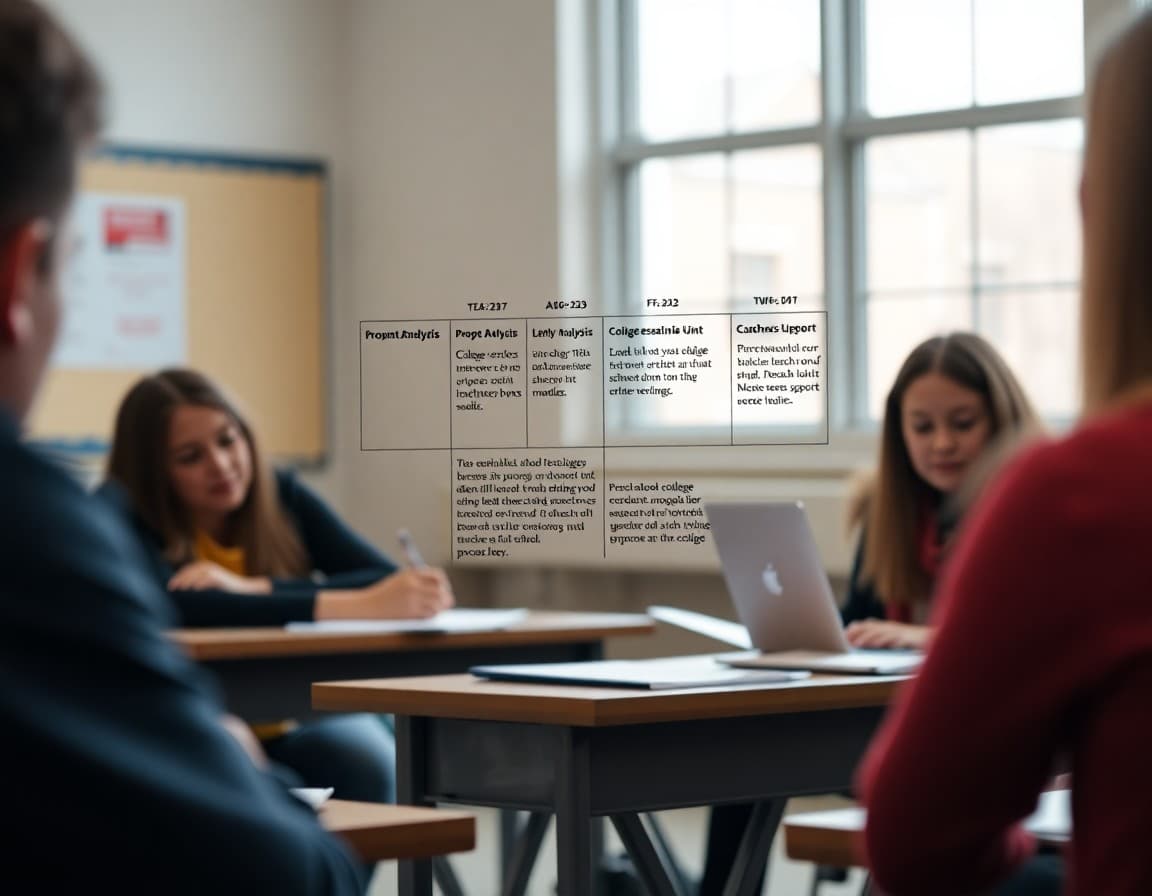
What the College Essay Unit Is Actually Teaching
The college essay unit teaches students to write with genuine specificity and authentic voice about their own experience. This is harder than it sounds, not because students cannot write, but because most high school writing has trained students to be general, formal, and safe. The college essay asks for the opposite. A newsletter that explains this shift helps families understand why the work looks different from academic writing and why that difference is the point.
The Common App Personal Statement: What It Asks
The Common Application personal statement gives students seven prompts and a word limit of 650 words. The prompts are broad by design, and most strong essays could be submitted under multiple prompts. Students spend class time learning that the prompt is a starting point rather than a constraint, and that the essay works when it tells a specific, honest story rather than attempting to cover a comprehensive self-portrait. Your newsletter should explain this approach so families do not direct their student toward the most literal interpretation of a prompt.
Brainstorming Without Judgment
The brainstorming phase of the college essay unit asks students to generate many possible topics before committing to one. This process requires freedom from judgment, including from family. Students who come to class having been told that their idea is not impressive or not college-worthy often abandon the most authentic topics for safer, more predictable ones. Your newsletter should ask families to stay curious rather than evaluative during the brainstorming phase.
The Draft Process and Revision
College essays go through multiple drafts. A newsletter that explains the revision process, including what peer response looks like in class and what the teacher reviews, helps families understand that a rough early draft does not indicate a problem. Students who share early drafts openly and revise seriously produce stronger final essays than those who try to write a finished product on the first attempt.
The Role Families Should Play
Family support in the college essay process should be warm and minimal in terms of content. Asking how the essay is going, offering to listen while the student reads it aloud, and celebrating the completion of drafts are all appropriate. Editing for grammar, suggesting better word choices, or proposing topic changes are not. The authenticity of the essay is its value. Families who protect that authenticity give their student the best possible submission.
Timeline and Deadlines
A newsletter that gives families the full essay submission timeline, including when first drafts are due in class, when peer response workshops happen, and what the final submission deadline is, helps families support the schedule without adding their own informal deadlines that create pressure before the student is ready.
Consistent Updates Through Daystage
High school English teachers who send college essay unit newsletters through Daystage ensure that every family understands the process and their role in it. Consistent communication prevents the overinvolvement that can undermine the most personally important writing a student does in high school.
Get one newsletter idea every week.
Free. For teachers. No spam.
Frequently asked questions
What should a college essay unit newsletter tell families?
A college essay unit newsletter should explain what the Common App personal statement asks students to do, how the class will support the writing process, what the timeline looks like, and crucially, what appropriate family involvement looks like. The college essay is one area where well-intentioned family involvement most often crosses from helpful to harmful.
What makes a strong college essay?
A strong college essay is specific, honest, and written in the student's own voice. It tells a story that reveals something genuine about who the student is rather than summarizing their resume or performing an admissions-optimized version of themselves. Essays that read like they were written by a parent, a tutor, or an AI assistant are recognizable to experienced readers and undermine the application they are meant to support.
What should families do and not do when their student is writing a college essay?
Families can ask the student to read the essay aloud and share how it felt to write it. They can ask whether the essay sounds like their student. They should not edit the grammar, suggest phrasing changes, tell the student what to write about, or rewrite sections. The college essay is one of the few places in the application where the student speaks directly to the admissions reader. That voice should belong to the student.
When should seniors start the college essay process?
Ideally, students begin brainstorming in late spring of junior year so that drafting begins in the summer. Students who start early arrive at the fall application season with a polished draft rather than writing under deadline pressure during one of the most logistically demanding periods of high school. A newsletter that explains this timeline helps families encourage early work rather than treating the essay as a fall problem.
What tool helps teachers send newsletters efficiently?
Daystage is built for school communication. High school English teachers use it to send formatted newsletters with essay unit timelines, family support guidelines, and prompt analysis tips directly to parent email lists.

Adi Ackerman
Author
Adi Ackerman is a former classroom teacher and curriculum writer with 8 years in K-8 schools. She writes about school communication, parent engagement, and what actually works in real classrooms.
More for High School
Teacher Newsletter for College Application Timelines: Keeping Senior Families on Track
High School · 6 min read
Teacher Newsletter for College Prep Programs: Communicating Academic Readiness to Families
High School · 6 min read
Teacher Newsletter for Senior Projects: Communicating Requirements and Milestones to Families
High School · 6 min read
Ready to send your first newsletter?
3 newsletters free. No credit card. First one ready in under 5 minutes.
Get started free