

Teacher Newsletter for College Prep Programs: Communicating Academic Readiness to Families
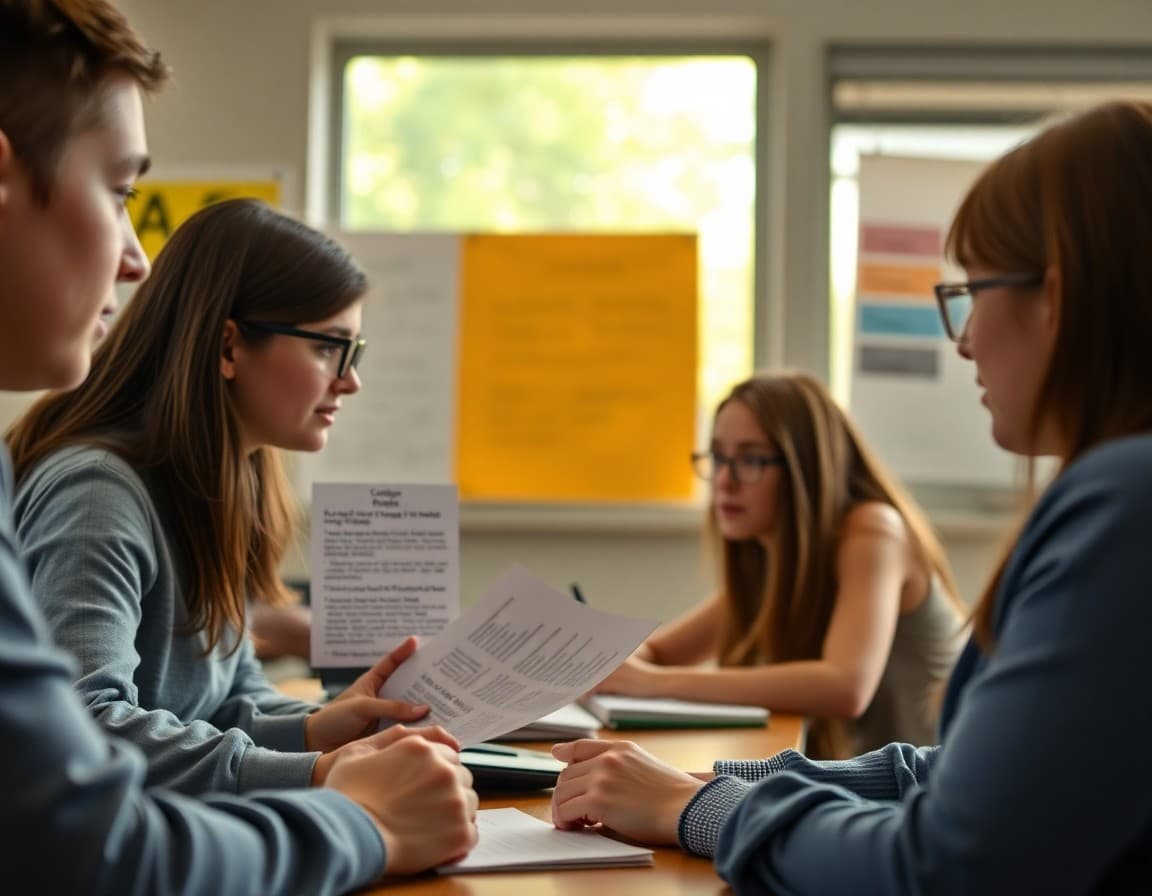
What College Prep Programs Actually Do
A college prep program is not simply a collection of harder courses. It is a structured effort to develop the academic skills, executive function habits, and self-awareness that college-level work requires. Students who develop genuine intellectual curiosity, the capacity to manage long-term assignments independently, and the habit of seeking help before they are failing arrive at college ready to succeed regardless of where they enroll. Your newsletter should explain this framing so families understand what they are supporting.
Academic Skills in Focus This Semester
A college prep newsletter should name the specific academic skills the current semester develops. Whether the focus is analytical writing, research methodology, independent reading stamina, time management across multiple courses, or test-taking strategies, naming the skill gives families a conversational entry point. Students who can discuss what they are working on academically are students who are developing the metacognitive awareness college requires.
The Course Transcript and What Colleges See
Colleges review four years of high school coursework. The pattern of course selection, the rigor of the curriculum, the grade trend, and the context the school report provides all matter. A newsletter that explains how colleges read transcripts, including what rigor signals and what grade trends reveal, helps families understand why course selection and grade maintenance in 9th and 10th grade are not too early to take seriously.
Extracurricular Engagement and Its Role
Extracurricular engagement signals genuine interests and the capacity to commit to something beyond minimum requirements. Students who engage deeply in one or two areas over multiple years tell a more compelling story than those who list many activities with shallow involvement. A newsletter that frames extracurricular participation as intellectual and personal development rather than resume building helps families support authentic engagement.
The Standardized Testing Landscape
The role of standardized testing in college admissions continues to evolve, with many institutions now test-optional or test-free. A newsletter that explains the current testing policies of college types the student is considering, when testing should happen, and what preparation looks like helps families make informed decisions rather than defaulting to anxiety-driven over-preparation or dismissal of testing altogether.
Long-Term Planning Starts Early
A college prep newsletter that maps out the junior and senior year milestones, standardized testing, campus visits, application deadlines, financial aid, and the essay, helps freshman and sophomore families understand the full arc. Students who understand the timeline can make 9th and 10th grade decisions with a clear sense of where they are heading.
Staying Informed Through Daystage
College prep advisors and teachers who use Daystage for program newsletters reach every family consistently without requiring individual meetings. Regular updates on academic expectations, testing timelines, and application milestones build the informed partnership between school and home that college preparation requires.
Get one newsletter idea every week.
Free. For teachers. No spam.
Frequently asked questions
What should a college prep program newsletter explain to families?
A college prep newsletter should explain what academic skills the program develops, what coursework standards students are working toward, how the program connects to college application requirements, and what families can do to support college readiness at home. Families who understand the connection between high school coursework and college expectations can encourage the right habits.
What skills define college readiness?
College readiness includes strong reading comprehension and analytical writing, the ability to manage long-term projects independently, mathematical reasoning, note-taking and study skills that work at a faster pace than high school, and the self-advocacy skills to seek help without being directed to do so. Academic preparation is necessary but not sufficient; executive function skills matter equally.
When should students start thinking about college preparation?
College preparation begins with 9th grade course selection. The transcript that colleges review covers all four years of high school. Students who take appropriately challenging courses from freshman year, maintain strong grades, pursue meaningful extracurriculars, and develop genuine academic interests build a stronger application profile than those who begin preparing intensively in junior year.
How can families support college prep without creating pressure?
Families can support college prep by discussing genuine interests, asking about challenging coursework with curiosity rather than anxiety, normalizing the help-seeking behaviors that college requires, and modeling the long-term planning mindset that academic success depends on. Pressure focused on college names rather than academic growth tends to produce short-term performance and long-term burnout.
What tool helps teachers send newsletters efficiently?
Daystage is built for school communication. College prep teachers use it to send formatted newsletters with academic skill updates, college readiness tips, and application timeline notes directly to parent email lists.

Adi Ackerman
Author
Adi Ackerman is a former classroom teacher and curriculum writer with 8 years in K-8 schools. She writes about school communication, parent engagement, and what actually works in real classrooms.
More for High School
Teacher Newsletter for Honors Class Introductions: Setting Expectations With Families
High School · 6 min read
Teacher Newsletter for College Application Timelines: Keeping Senior Families on Track
High School · 6 min read
Teacher Newsletter for College Essay Units: How Families Can Support Without Taking Over
High School · 6 min read
Ready to send your first newsletter?
3 newsletters free. No credit card. First one ready in under 5 minutes.
Get started free