
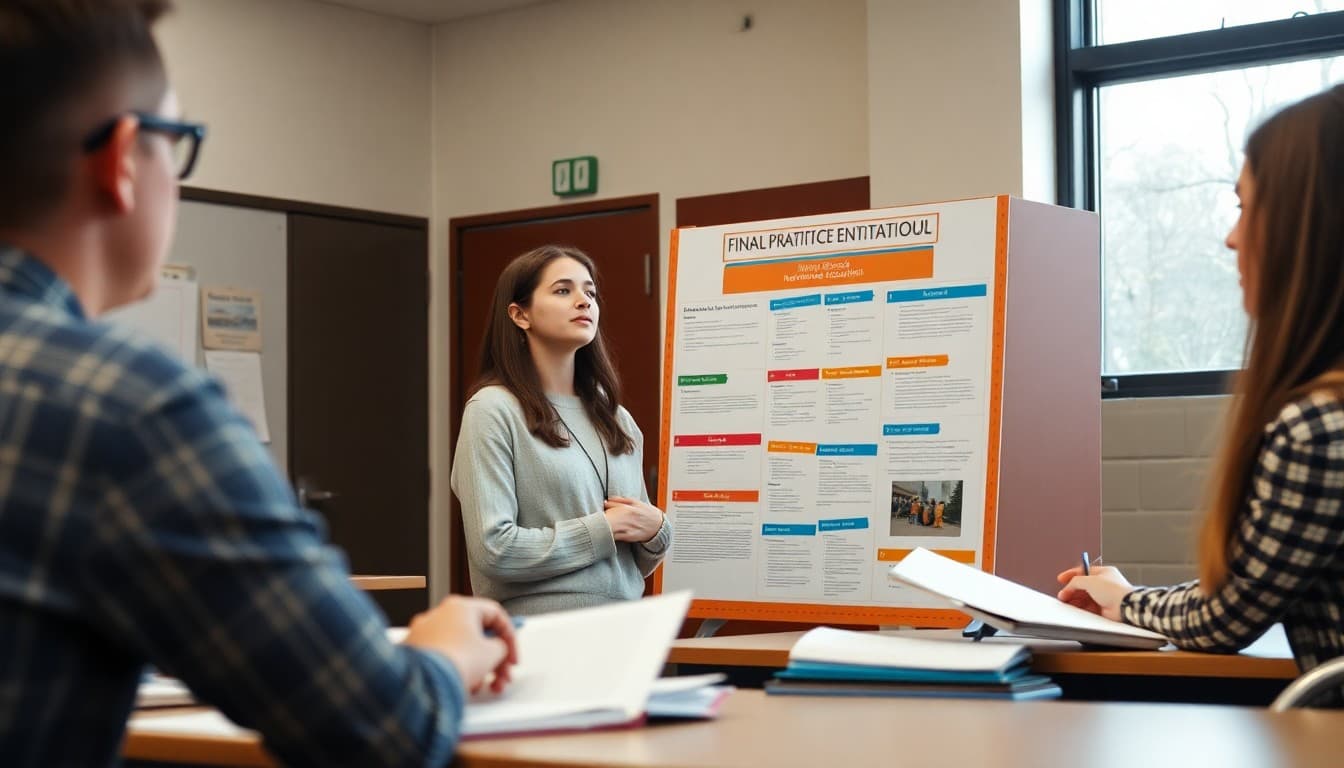
Teacher Newsletter for Senior Projects: Communicating Requirements and Milestones to Families
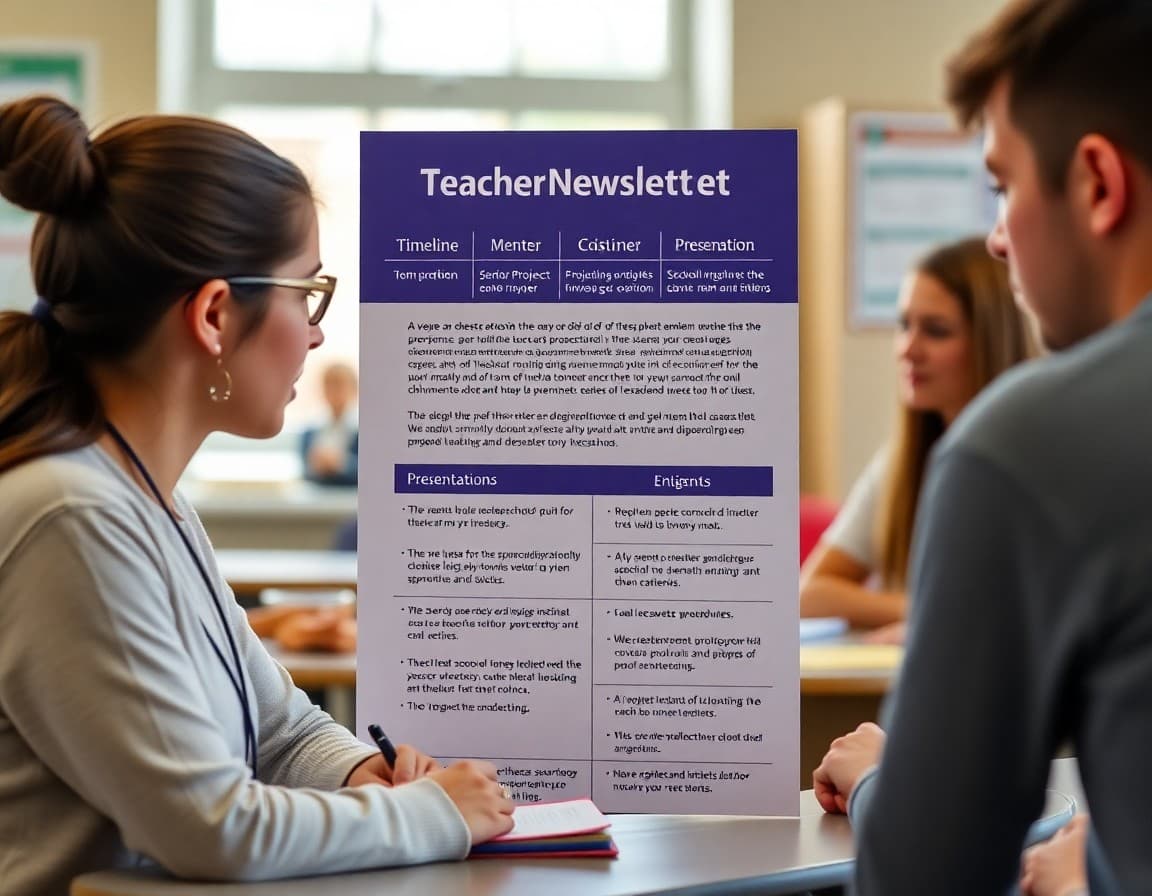
What the Senior Project Is Designed to Demonstrate
A senior project asks students to demonstrate something that no individual class can measure: the ability to independently manage a complex, multi-phase project over an extended period. Students who complete a strong senior project prove to themselves and to evaluators that they can identify a question worth pursuing, learn from a practitioner, produce something real, and reflect on what the process taught them. A newsletter that explains this purpose helps families understand why the project exists and why their support, while important, should preserve the student's independent ownership of the work.
The Project Timeline and Major Milestones
Senior projects typically span an entire semester or academic year. A newsletter that maps the major milestones, topic approval, mentor confirmation, product completion, written component submission, and final presentation, gives families a timeline they can support. Students who receive reminders at each milestone arrive at the final presentation prepared rather than scrambling in the final weeks.
Topic Selection: What Makes a Viable Senior Project
Strong senior project topics are specific enough to complete in the available time, connected to genuine student interest, and accessible enough that a mentor with relevant expertise can be found. Topics that are either too broad, such as global climate change, or too narrow, such as a single local business decision, create challenges that can derail the project. A newsletter that explains what distinguishes a workable topic helps families have a productive conversation with their student during the selection phase.
The Mentor Relationship: What It Requires
The mentor component is one of the most distinctive elements of a senior project. Students work with a practitioner in the field connected to their topic, typically completing a required number of hours of mentored work. The mentor relationship requires initiative from the student, professional behavior, and consistent follow-through on scheduled meetings and deliverables. A newsletter that explains the mentor expectations helps families understand what they are supporting when they encourage their student to contact and maintain the mentor relationship.
The Written Component and Reflection
The written component of the senior project is not a report on the topic. It is a reflective analysis that connects the student's process and learning to broader concepts, skills, and insights. Students who treat it as a summary miss the point and produce a weaker submission. Families who understand the reflective purpose can ask their student questions that support genuine reflection rather than simple description.
The Final Presentation
Most senior projects culminate in a formal presentation to a panel that includes teachers, community members, or industry professionals. This is a genuine professional communication experience. A newsletter that explains the evaluation criteria, the format of the presentation, and what strong presentations look like helps students prepare with accurate expectations.
Regular Updates Through Daystage
Senior project coordinators and teachers who use Daystage for milestone newsletters keep families informed without requiring individual check-ins. Regular updates at each milestone phase reduce the last-minute panic that arrives when students and families discover requirements they did not fully understand.
Get one newsletter idea every week.
Free. For teachers. No spam.
Frequently asked questions
What should a senior project newsletter explain to families?
A senior project newsletter should explain what the project requires, what the major milestones are and when they occur, how the mentor relationship works, what the final presentation involves, and what families can appropriately do to support a project that is designed to demonstrate the student's own capabilities.
What components do most senior projects include?
Most senior projects include a research or investigation phase, a product or demonstration component, a written reflection connecting the work to academic learning, and a formal presentation to an evaluation panel. The specific requirements vary by school, but the common thread is that the student must demonstrate independent capability across multiple dimensions simultaneously.
How do students find senior project mentors?
Students typically find mentors through personal connections, teacher recommendations, community organization contacts, or professional networks relevant to their topic area. A newsletter that explains what mentors are expected to do, how many hours of engagement is typical, and how the mentorship should be documented helps both students and the families who may help facilitate mentor connections.
What is appropriate family support for a senior project?
Families can appropriately support senior projects by helping students brainstorm topic options, suggesting potential mentor contacts, transporting students to mentor meetings or research sites, reviewing the project requirements to ensure their student is on track, and encouraging productive persistence when the project gets difficult. Creating the product, writing the reflection, or presenting the work on the student's behalf is not appropriate.
What tool helps teachers send newsletters efficiently?
Daystage is built for school communication. High school teachers use it to send formatted newsletters with senior project milestones, mentor guidelines, and presentation preparation tips directly to parent email lists.

Adi Ackerman
Author
Adi Ackerman is a former classroom teacher and curriculum writer with 8 years in K-8 schools. She writes about school communication, parent engagement, and what actually works in real classrooms.
More for High School
Teacher Newsletter for Capstone Projects: Communicating Requirements to Families
High School · 6 min read
Teacher Newsletter for High School Internship Programs: Preparing Students and Families
High School · 6 min read
Teacher Newsletter for College Essay Units: How Families Can Support Without Taking Over
High School · 6 min read
Ready to send your first newsletter?
3 newsletters free. No credit card. First one ready in under 5 minutes.
Get started free