
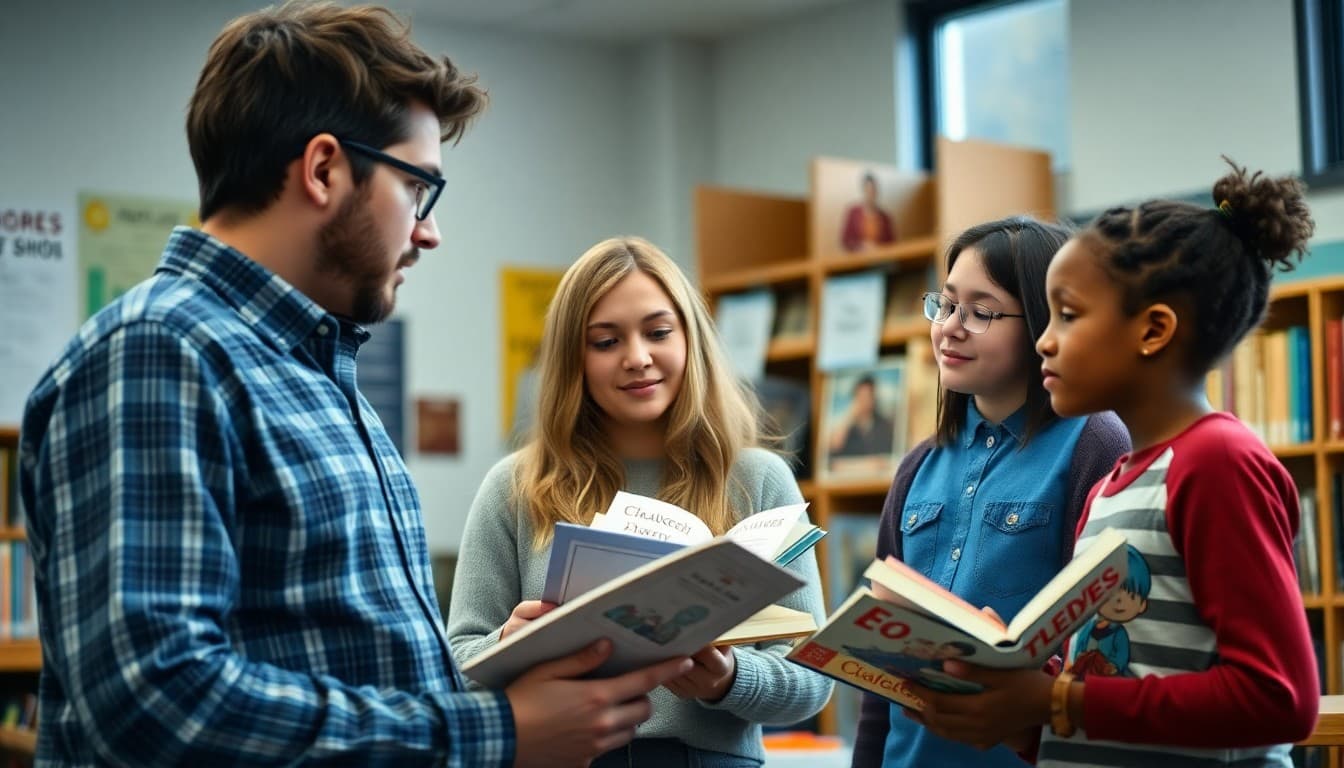
Teacher Newsletter for Banned Books Units: Communicating Academic Purpose to Families
Why This Communication Matters
High school literature and writing units address content that families sometimes encounter without context. A newsletter that explains the academic purpose behind banned books units before students bring home challenging or unfamiliar texts creates understanding rather than concern.
What to Cover in Your Newsletter
Cover the specific texts or assignments in this unit, the academic skills students are developing, what the major assessments look like, and what resources are available if students need extra support with the reading or writing demands.
Skills and Outcomes Students Develop
Literature and writing units build close reading, analytical writing, historical and cultural context knowledge, and the sustained attention required to work through complex texts. These skills appear in AP exams, college entrance essays, and every college humanities course students will take.
How Families Can Support at Home
The most effective parent support for literature units is engaged curiosity: asking what students are reading and what they think about it, connecting the texts to related films or historical events families are already familiar with, and treating literary difficulty as normal rather than alarming.
Community and Recognition Opportunities
Many literature units connect to school-wide reading celebrations, literary magazine submissions, writing contests, or class presentations. A newsletter that flags these opportunities helps students who are genuinely engaged find additional ways to extend their work.
Assessment and What Success Looks Like
Assessment in this unit evaluates the quality of analysis, not just completion. Strong work demonstrates specific textual evidence, clear analytical reasoning, and engagement with the complexity of the text rather than summary. A newsletter that explains what strong analysis looks like helps families encourage the right kind of effort.
Building a Consistent Communication Habit
Literature unit newsletters work best at the start of each new text or unit and before major assessment deadlines. Keep a standard template and update only the specific text and assignment information each cycle. The habit of consistent communication across a year-long English course builds the kind of family partnership that supports student reading development.
Get one newsletter idea every week.
Free. For teachers. No spam.
Frequently asked questions
What is the purpose of a banned books unit in high school?
A banned books unit examines the history of censorship, the First Amendment, and the relationship between literature and social power. Students read challenged or previously banned texts, research the reasons behind their banning, and analyze what the act of censorship reveals about the society that banned the work. The unit develops critical thinking, research skills, and understanding of civil liberties.
What books are commonly included in high school banned books units?
Common banned books units include texts that have faced challenges in different historical periods: "The Catcher in the Rye," "To Kill a Mockingbird," "Of Mice and Men," "The Color Purple," "Brave New World," "Their Eyes Were Watching God," and "Persepolis." The specific selection depends on curriculum goals, and any challenging content is contextualized within the academic purpose.
How should teachers address parent concerns about banned books units?
Communicate clearly before the unit begins: which texts students will read, why those specific texts, what the learning objectives are, and how the classroom will handle discussion of challenging content. Families who receive this information in advance approach the unit with context rather than reacting to content without framework. A parent who disagrees with a specific text choice deserves a direct conversation, not a generic reassurance.
What analytical skills does a banned books unit develop?
Banned books units develop primary source research skills, First Amendment law understanding, comparative analysis of cultural contexts across different periods of censorship, argument construction for and against specific claims about literary content, and the ability to discuss challenging content with intellectual rigor and appropriate nuance.
What tool helps high school teachers send newsletters about Banned Books Units?
Daystage is built for school communication. High school teachers use it to create formatted newsletters, manage parent and student email lists, and send updates about Banned Books Units in minutes without extra design tools.

Adi Ackerman
Author
Adi Ackerman is a former classroom teacher and curriculum writer with 8 years in K-8 schools. She writes about school communication, parent engagement, and what actually works in real classrooms.
More for High School
Ready to send your first newsletter?
3 newsletters free. No credit card. First one ready in under 5 minutes.
Get started free