

Teacher Newsletter for Dystopian Literature Units in High School
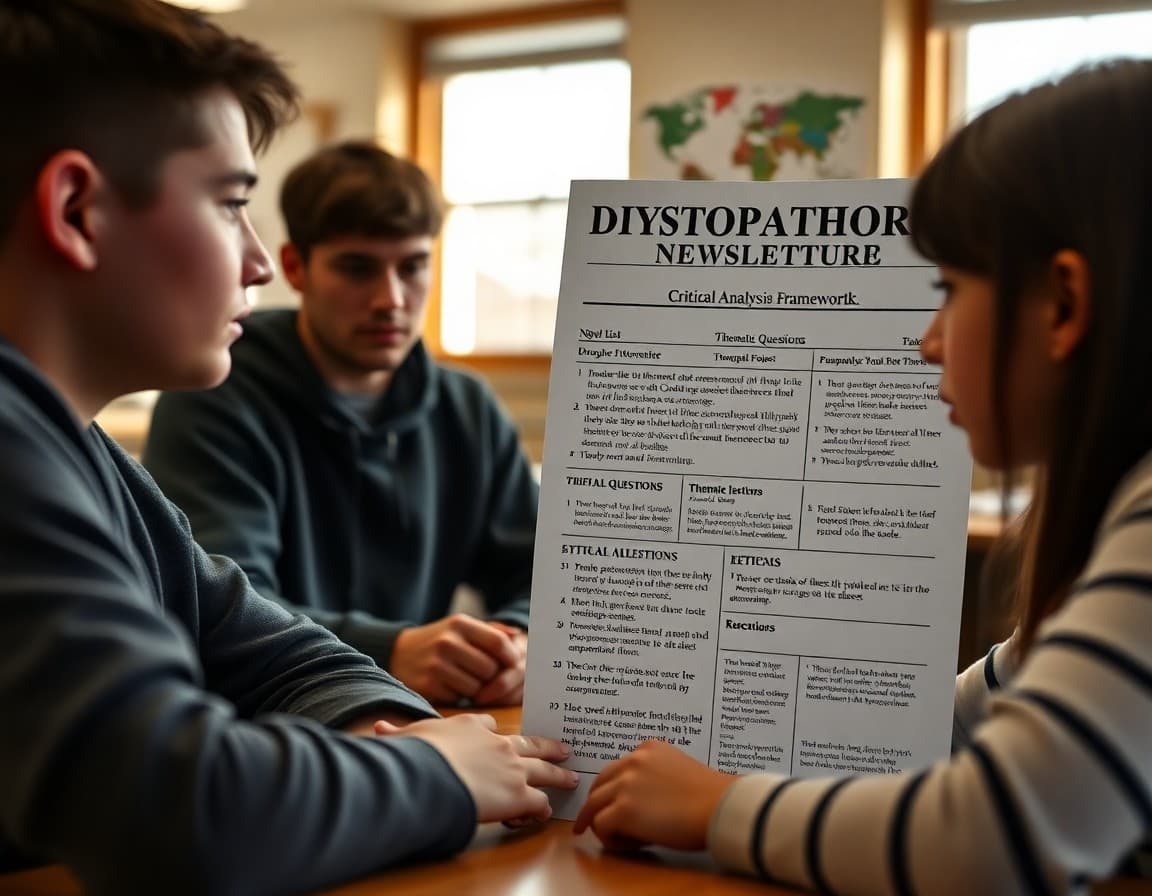
Why This Communication Matters
High school literature and writing units address content that families sometimes encounter without context. A newsletter that explains the academic purpose behind dystopian literature units in high school before students bring home challenging or unfamiliar texts creates understanding rather than concern.
What to Cover in Your Newsletter
Cover the specific texts or assignments in this unit, the academic skills students are developing, what the major assessments look like, and what resources are available if students need extra support with the reading or writing demands.
Skills and Outcomes Students Develop
Literature and writing units build close reading, analytical writing, historical and cultural context knowledge, and the sustained attention required to work through complex texts. These skills appear in AP exams, college entrance essays, and every college humanities course students will take.
How Families Can Support at Home
The most effective parent support for literature units is engaged curiosity: asking what students are reading and what they think about it, connecting the texts to related films or historical events families are already familiar with, and treating literary difficulty as normal rather than alarming.
Community and Recognition Opportunities
Many literature units connect to school-wide reading celebrations, literary magazine submissions, writing contests, or class presentations. A newsletter that flags these opportunities helps students who are genuinely engaged find additional ways to extend their work.
Assessment and What Success Looks Like
Assessment in this unit evaluates the quality of analysis, not just completion. Strong work demonstrates specific textual evidence, clear analytical reasoning, and engagement with the complexity of the text rather than summary. A newsletter that explains what strong analysis looks like helps families encourage the right kind of effort.
Building a Consistent Communication Habit
Literature unit newsletters work best at the start of each new text or unit and before major assessment deadlines. Keep a standard template and update only the specific text and assignment information each cycle. The habit of consistent communication across a year-long English course builds the kind of family partnership that supports student reading development.
Get one newsletter idea every week.
Free. For teachers. No spam.
Frequently asked questions
What dystopian novels are commonly taught in high school?
Common high school dystopian texts include Orwell's "1984," Huxley's "Brave New World," Atwood's "The Handmaid's Tale," Bradbury's "Fahrenheit 451," Collins's "The Hunger Games," and Le Guin's "The Ones Who Walk Away from Omelas." Each offers different entry points for discussing surveillance, government control, social conformity, and individual resistance.
What should a dystopian literature newsletter cover?
A dystopian literature newsletter should explain the specific text being read, the thematic questions the unit explores, how the text connects to historical or contemporary contexts, what major analysis assignments students will complete, and any content considerations that parents should be aware of in advance.
How does dystopian literature connect to civic education?
Dystopian fiction consistently asks students to examine what conditions allow unjust systems to persist, how individuals respond to systematic oppression, and what values would need to change for a society depicted in the novel to become real. These questions connect directly to civic literacy and critical thinking skills that schools across the political spectrum value.
What content warnings should parents know about dystopian texts?
Many dystopian texts include violence, sexual content at various levels, totalitarian violence, and surveillance themes that some families prefer to discuss in advance. A newsletter that names the specific content considerations in the text being read gives parents the information they need to prepare their student or have a conversation before the reading begins.
What tool helps high school teachers send newsletters about Dystopian Literature Units in High School?
Daystage is built for school communication. High school teachers use it to create formatted newsletters, manage parent and student email lists, and send updates about Dystopian Literature Units in High School in minutes without extra design tools.

Adi Ackerman
Author
Adi Ackerman is a former classroom teacher and curriculum writer with 8 years in K-8 schools. She writes about school communication, parent engagement, and what actually works in real classrooms.
More for High School
Teacher Newsletter for Banned Books Units: Communicating Academic Purpose to Families
High School · 6 min read
Teacher Newsletter for Classic Literature Units: What Families Need to Know
High School · 6 min read
Teacher Newsletter for Satire Unit: Communicating Curriculum Goals to Families
High School · 6 min read
Ready to send your first newsletter?
3 newsletters free. No credit card. First one ready in under 5 minutes.
Get started free