
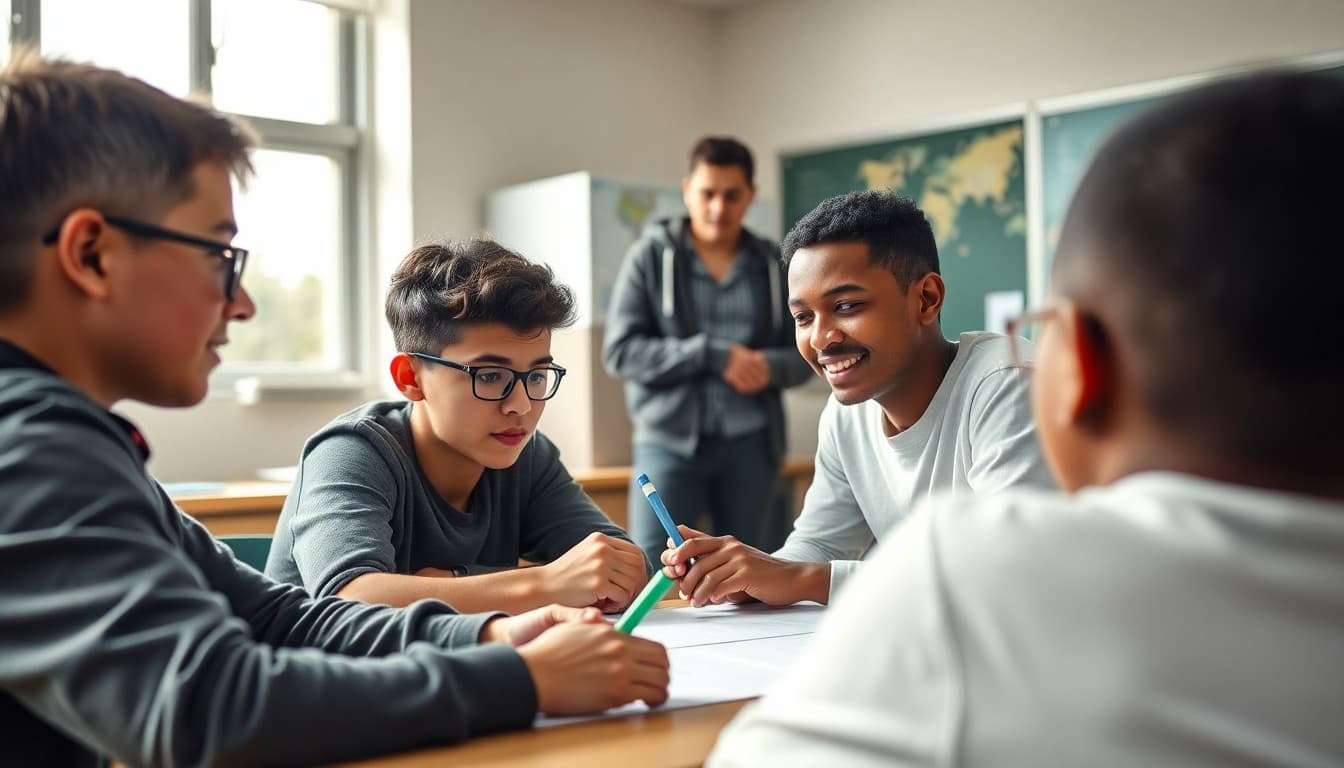
High School Parent Social Skills Support Newsletter Ideas
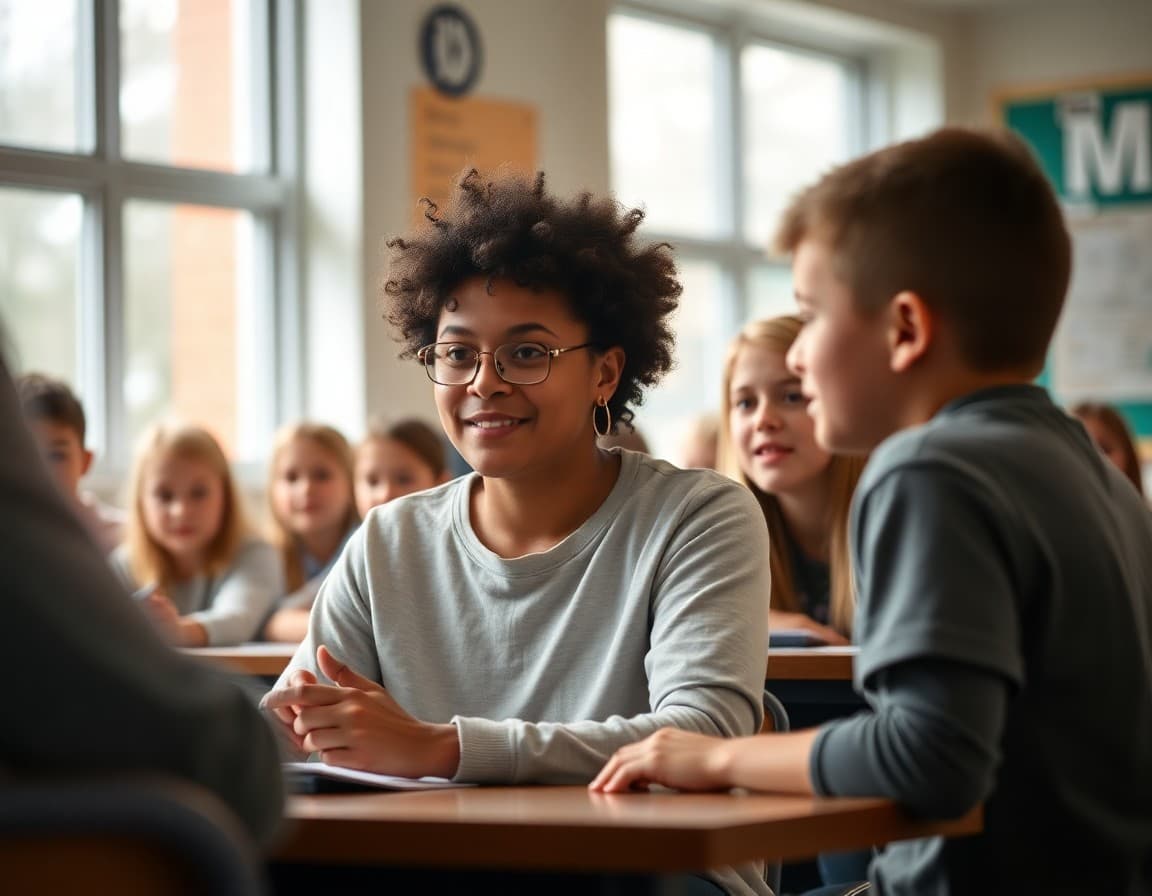
Social Skills as an Academic Issue
High school teachers see social dynamics affect academic performance every day. Group projects that fail because students cannot resolve conflict. Presentations that fall apart because a student lacks the confidence to speak in front of peers. Collaborative assignments that produce resentment because one student does not contribute. Social skills are not separate from academic success. They are embedded in it.
What Schools Can and Cannot Teach
Schools teach communication, collaboration, and conflict resolution in formal and informal ways. But the foundational social skills students bring to high school, the capacity to listen, to disagree without contempt, to repair relationships after conflict, come primarily from family. A parent newsletter that addresses these foundations helps families see their role in social development as specific and important, not vague and general.
Navigating Peer Relationships in High School
High school peer relationships are more complex than most adults remember. Social hierarchies, changing friend groups, romantic relationships, social media dynamics, and the pressure to belong all operate simultaneously. Parents who want to stay connected to their student's social world need to ask questions without interrogating, listen without immediately problem-solving, and take social pain seriously rather than minimizing it.
Conflict Resolution Skills That Transfer
The conflict resolution skills students learn in high school, how to name a concern without attacking the person, how to listen to a perspective you disagree with, how to repair a relationship after something goes wrong, are exactly the skills that determine success in college group projects, workplace teams, and long-term relationships. Framing these skills as career preparation rather than character education tends to resonate with high school families.
When Social Problems Become Academic Problems
Students who are experiencing serious social difficulty, exclusion, bullying, or significant relationship stress, show it in their academic work. Grades drop, absences increase, engagement in class falls off. A parent newsletter that connects social wellbeing to academic performance helps families understand why you are raising a social concern in an academic communication. These are not separate systems.
Digital Social Dynamics in High School
A significant portion of high school social life now happens on phones and social media platforms. Group chats, public posts, and direct messages create new contexts for both connection and conflict that can spill directly into classroom dynamics. Parents who understand this landscape can have more realistic conversations with their student about online behavior, privacy, and the permanence of digital communication.
Building a Socially Healthy Classroom Culture
Parent newsletters about social skills serve the classroom as well as individual families. When parents reinforce collaboration, respect, and conflict resolution at home, those norms appear in group work and discussions at school. A brief note about what collaborative skills you are emphasizing in your class, and how parents can reinforce them, makes the classroom a more productive place for everyone.
Get one newsletter idea every week.
Free. For teachers. No spam.
Frequently asked questions
What social skills do high school students need for success?
High school students need strong communication skills, the ability to disagree respectfully, capacity to collaborate on group work, resilience when friendships change, and awareness of how their words and actions affect others. These skills transfer directly to college, workplace, and community settings. Teachers who address social development in parent newsletters position these competencies as academic, not extracurricular.
How can parents support social skills development in high school students?
Parents can model respectful disagreement at home, debrief social conflicts with their student by asking questions rather than giving verdicts, encourage their student to initiate plans with friends, and take social problems seriously rather than dismissing them as drama. High school social dynamics are genuinely complex and the skills learned there have long-term consequences.
How should teachers address social conflict in parent newsletters?
Address social conflict patterns you observe in class without naming individual students. If group work regularly produces friction, describe what collaborative communication looks like and how families can reinforce it at home. If you observe exclusion or unkind behavior, frame it as a skill gap rather than a character flaw, and invite parents to discuss these patterns with their student.
What role does peer pressure play in high school social development?
Peer influence in high school is a normal and developmentally appropriate part of identity formation. The goal is not to eliminate peer influence but to help students develop internal standards that persist under social pressure. Parents who know what peer dynamics look like in your classroom can have more targeted conversations at home about decision-making and identity.
What tool helps high school teachers communicate about social development with parents?
Daystage lets high school teachers send formatted newsletters about social skills, classroom climate, and development topics to parent email lists quickly. Teachers use it to address whole-class patterns without individual conversations, which keeps the communication scalable and the tone informational rather than disciplinary.

Adi Ackerman
Author
Adi Ackerman is a former classroom teacher and curriculum writer with 8 years in K-8 schools. She writes about school communication, parent engagement, and what actually works in real classrooms.
More for High School
Ready to send your first newsletter?
3 newsletters free. No credit card. First one ready in under 5 minutes.
Get started free