
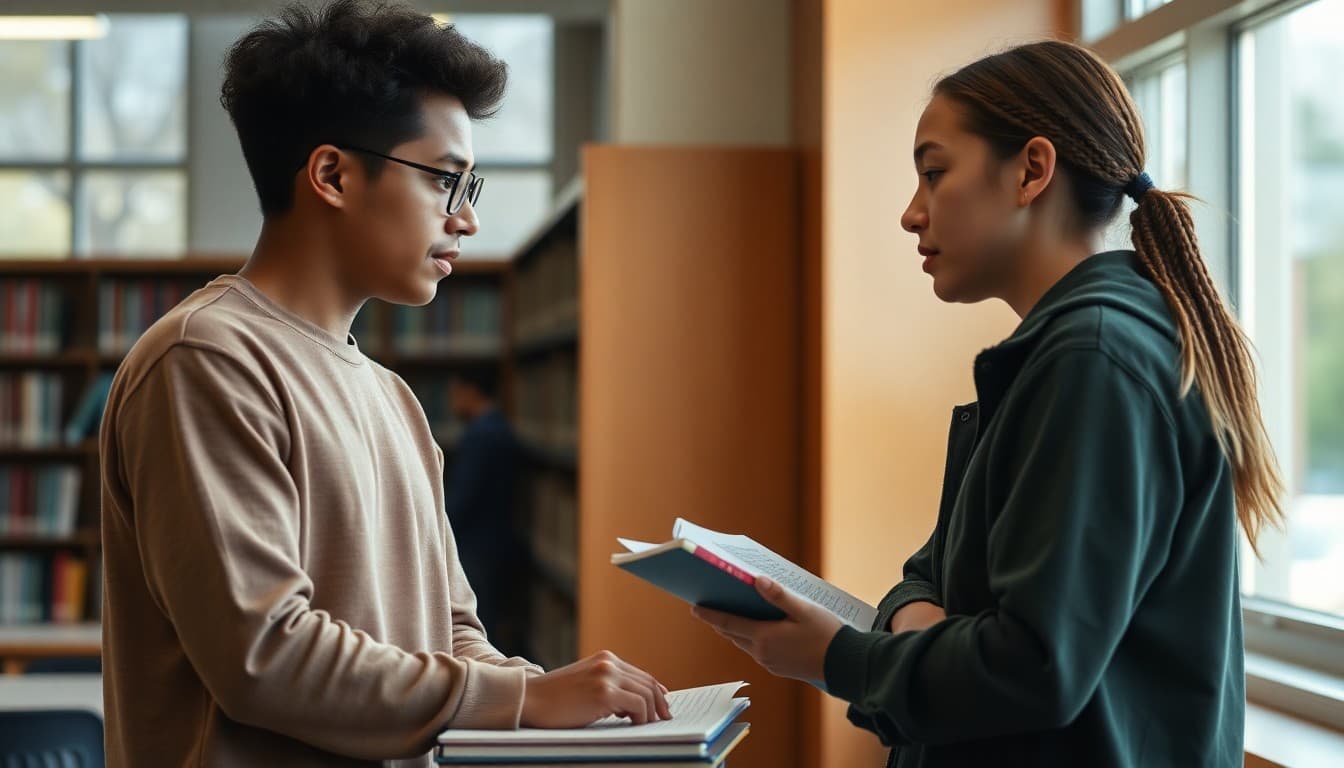
11th Grade Social Skills Newsletter: Relationship Building at School
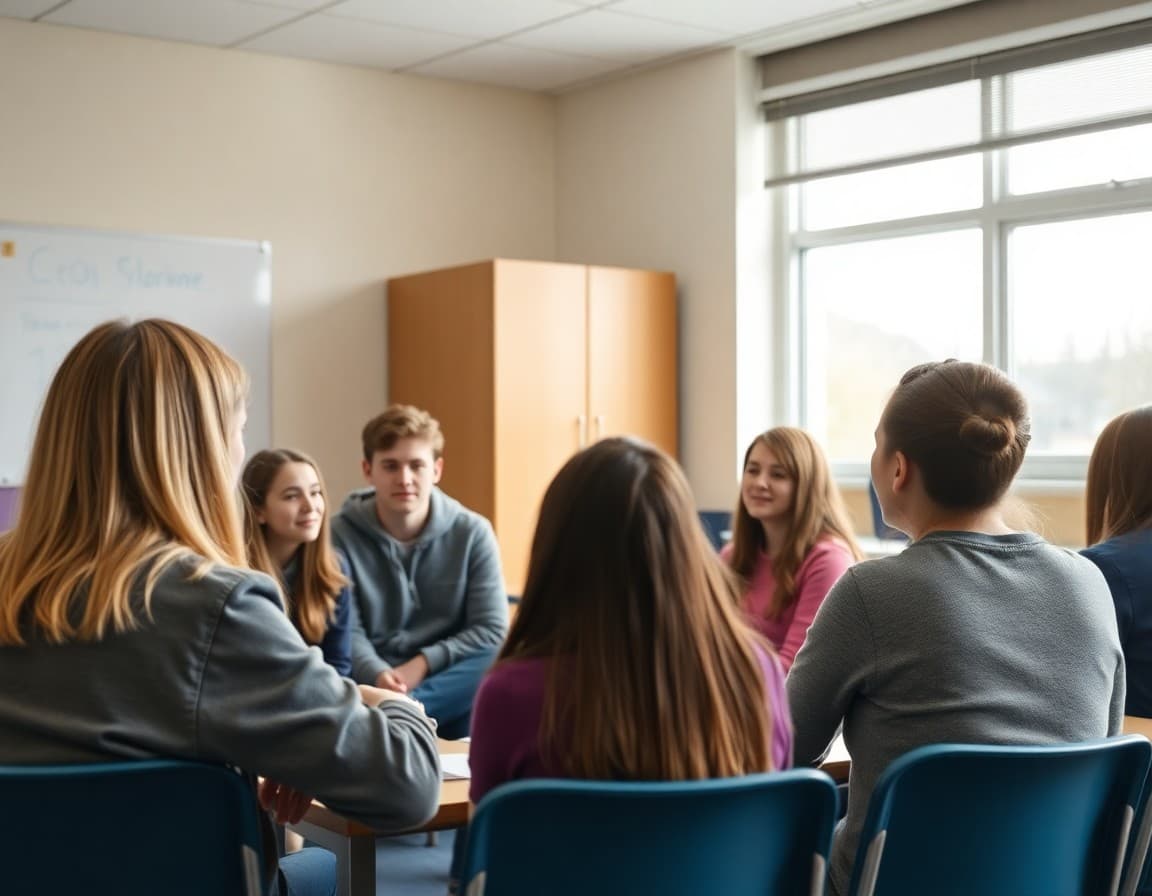
Junior year social life is more complex than any previous high school year. The pressure to perform academically, the anxiety of college planning, and the real possibility that close friends are heading toward very different futures all affect how students relate to each other in the classroom. A newsletter that acknowledges this complexity and gives families practical guidance is more useful than one that either ignores it or escalates it.
Acknowledge What Junior Year Social Life Actually Looks Like
Your newsletter should name the social realities of 11th grade without sensationalizing them. Friend group dynamics shift as students' college and career plans diverge. Competition over class rank and academic recognition can create friction between students who were previously close. Anxiety affects social functioning in ways students and families may not recognize as anxiety. These patterns are common and worth naming.
Explain How You Manage Academic Competition in the Classroom
If you use collaborative learning structures that reduce zero-sum competition, describe them. Discussion protocols where students are evaluated on the quality of their engagement, not just the correctness of their answers. Peer feedback that rewards giving good feedback as much as producing good work. Group projects graded on individual contributions rather than the collective product. Families who understand these structures appreciate them.
Connect Social Skills to College and Professional Life
By 11th grade, students can engage with the long-term case for social skill development. Colleges look for evidence of leadership, collaboration, and the ability to work across differences in applications and interviews. Employers consistently identify communication, conflict resolution, and emotional intelligence as the skills most lacking in new graduates. These are not soft benefits. They are measurable, valued, and built in classrooms like yours.
Address the Impact of Anxiety on Social Behavior
Junior year anxiety is widespread and affects classroom behavior in ways families may misread. A student who stops raising their hand in class may be anxious about being wrong in front of peers who are competing for the same colleges. A student who withdraws from group work may be managing social conflict outside the classroom. Your newsletter can briefly note that if their student's social behavior or engagement has changed, it is worth a conversation with you or the counselor.
Give Families Language for the College Planning Conversation
Many 11th grade friend group fractures happen because students are not talking to each other about their college plans and are instead making assumptions. Families who encourage their student to be honest with friends about where they are applying, what they want to study, and what they are feeling about the future reduce the misunderstanding that can turn into real social damage. A simple prompt: 'Have you told [friend] where you are thinking about applying?'
Sample Newsletter Section on 11th Grade Social Skills
Here is copy you can adapt:
"Junior year is when students start to imagine themselves in genuinely different futures, and that is both exciting and hard for peer relationships. In class, we work on collaboration practices that reduce competition and increase shared learning. Outside of class, the most useful thing families can do is stay curious about their student's social world without trying to fix it. Ask who they spent time with this week. Ask what they are excited about. Ask what feels hard. That's enough."
Share the Mental Health Resources Available
Name the school counselor, their availability, and how students can access the service. If your school has a student wellness program, peer mentorship, or crisis line, include that information. Tell families that counselor visits are routine and do not require a crisis to trigger. Students who talk to a counselor proactively about stress and social challenges manage junior year better than those who wait until they are in acute distress.
Close with the Long View
End your newsletter by reminding families that the social skills their student builds this year, including how to handle competition, navigate conflict, ask for help, and maintain relationships through a stressful period, are the skills that will define their professional and personal effectiveness for decades. That is not an overstatement. It is a reason to take the social dimension of junior year as seriously as the academic one.
Get one newsletter idea every week.
Free. For teachers. No spam.
Frequently asked questions
What social challenges do 11th graders face that are different from earlier years?
Junior year social life is complicated by diverging college plans, competition for academic reputation, and the first real sense of separation as students imagine different futures. Friend groups that were stable through 10th grade can fracture when one group is laser-focused on college applications while another is not. Romantic relationships become more serious. Mental health struggles, particularly anxiety, peak for many students in 11th grade.
How does social life affect academic performance in 11th grade?
Significantly. Students who are dealing with social conflict, romantic distress, or peer pressure around academic choices have less cognitive bandwidth available for coursework. A student who is navigating a friend group fracture while preparing for AP exams and the SAT is managing a lot. Teachers who are aware of the social dimension of their classroom can design structures that reduce unnecessary social friction.
What can families do to support social development in their 11th grader?
Stay genuinely curious about their student's social life without policing it. Ask about specific friendships, not just whether the student has friends. Acknowledge that college planning can strain peer relationships. Be a sounding board for social conflicts rather than immediately suggesting the student change how they handle things. And model the kind of professional and authentic relationship-building that will matter after high school.
How should I talk about peer competition in an 11th grade community newsletter?
Acknowledge it as real and name the alternative your classroom offers. Students do not need to compete over grades in order to succeed academically. Students who collaborate and support each other's learning perform better on average than students who work in isolation. Frame this as a practical claim, not a moral one.
What newsletter tool is best for sending 11th grade community and social skills updates to families?
Daystage lets you build a newsletter with a community section alongside academic updates. One send covers both without requiring two separate communications. You can include counselor contact information and resource links in the same newsletter.

Adi Ackerman
Author
Adi Ackerman is a former classroom teacher and curriculum writer with 8 years in K-8 schools. She writes about school communication, parent engagement, and what actually works in real classrooms.
More for High School
11th Grade Classroom Community Newsletter: Building Belonging Together
High School · 6 min read
Eleventh Grade Behavior Newsletter to Parents: How to Communicate Classroom Expectations Clearly
High School · 6 min read
Eleventh Grade College Prep Newsletter: Communicating the Junior Year College Search to Families
High School · 7 min read
Ready to send your first newsletter?
3 newsletters free. No credit card. First one ready in under 5 minutes.
Get started free