
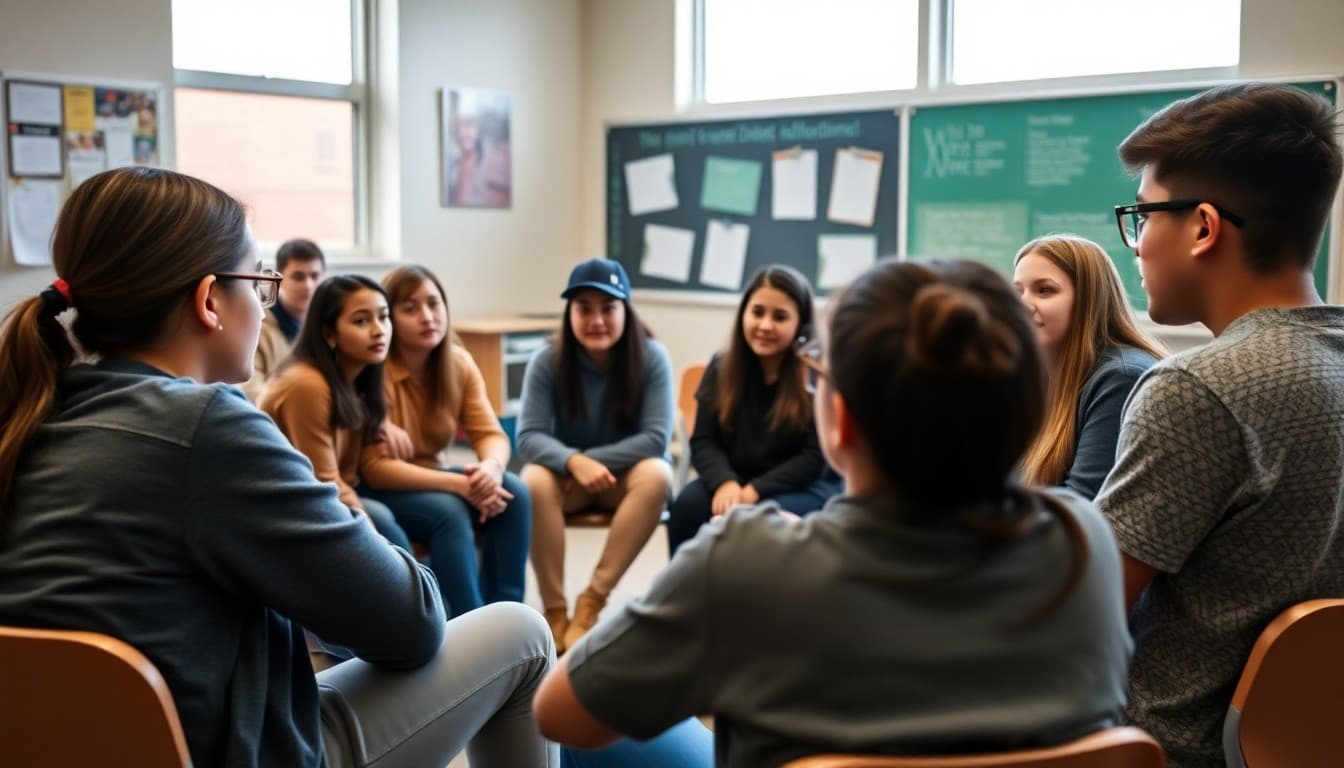
11th Grade Classroom Community Newsletter: Building Belonging Together
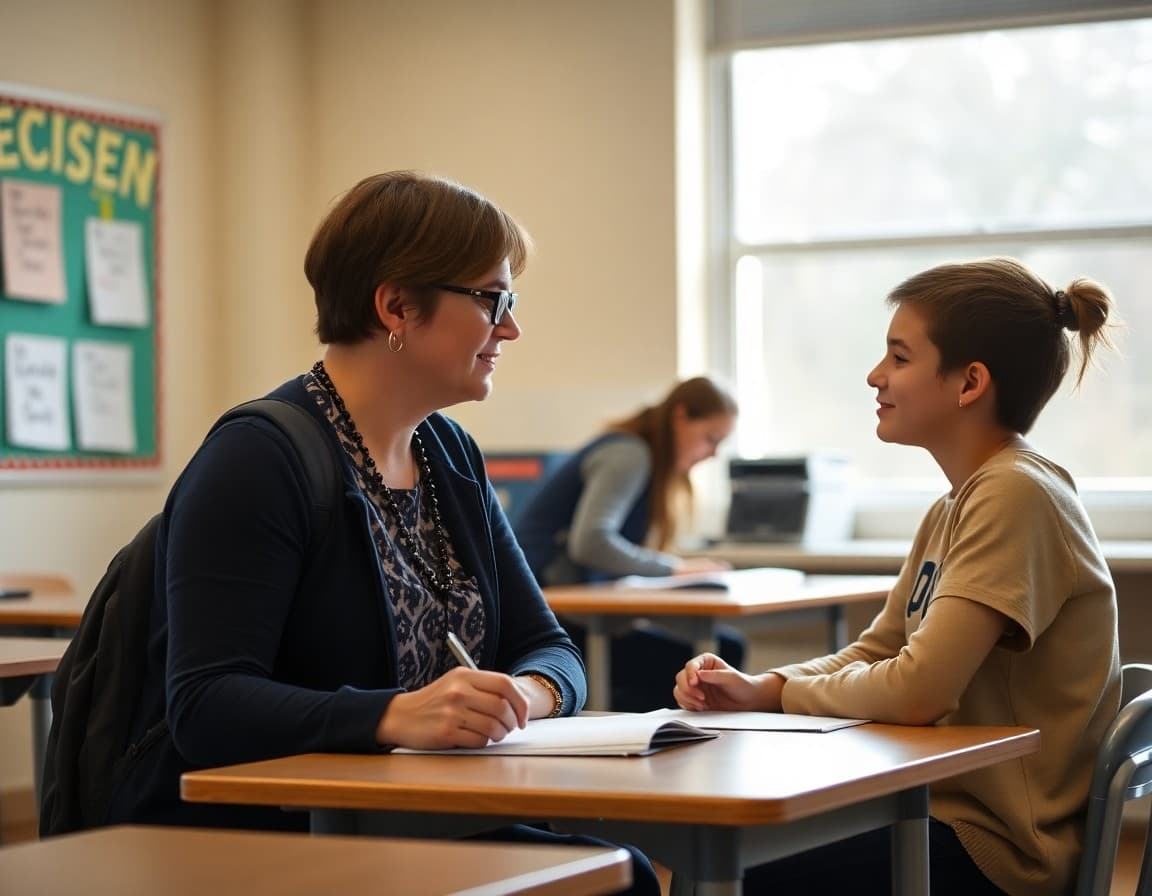
Junior year is stressful. SAT prep, AP courses, college planning, and the first real sense of what post-high school life will look like all converge at once. The classroom communities that hold up under this pressure are the ones a teacher has built with intention since September. A newsletter that tells families what you are doing to maintain that culture during the hardest year of high school is worth writing.
Name the 11th Grade Pressure Directly
Your newsletter should acknowledge what is happening. Junior year brings more academic pressure than any previous year, and that pressure changes classroom dynamics in ways that are worth naming. Increased competition for class rank, anxiety about test scores, and the social complexity of diverging college application plans can all create tension in a classroom that was previously cohesive. Naming this is not alarming; it is honest.
Describe Your Academic Community Structures
What do you do deliberately to maintain a collaborative culture in an environment where students are under competing pressure? If you use discussion protocols that require building on classmates' ideas, share them. If you use collaborative note-taking or peer feedback on writing, explain them. Families who understand that your class intentionally maintains academic community appreciate it. Students who hear their families acknowledge the value of this approach take it more seriously.
Address Competitiveness and Academic Anxiety
Junior year can produce visible competition over grades, class rank, and academic reputation. Your newsletter can address this without being preachy. Something like: 'Our class operates on the premise that explaining an idea to a classmate makes your own understanding better, not worse. Students who hoard their preparation do not get ahead; they miss the chance to solidify their understanding through teaching.' This reframe is specific and practical.
Highlight a Community Moment from the Past Month
Give families a concrete example. A moment where a student defended an unpopular interpretation and the class engaged with it rather than dismissing it. A peer review session where students gave feedback that improved each other's essays in measurable ways. A moment where a student admitted they did not understand something and two classmates stayed to explain it. These specific moments tell families more about the class culture than any description.
Address Student Mental Health Without Making It the Focus
Junior year mental health struggles are common and real. Your newsletter should briefly acknowledge this, name the resources available (school counselor, student support services, teacher office hours), and move on. A brief section is enough: 'If your student is feeling overwhelmed this semester, please encourage them to use our school counseling services. [Counselor name] is available [days/hours] and can be reached at [contact]. Asking for help is effective, not weak.'
Sample Newsletter Section on 11th Grade Community
Here is copy you can adapt:
"Junior year puts a lot of pressure on this community, and I want families to know that we are managing it intentionally in class. We recently completed a peer feedback workshop on analytical writing. Students read each other's drafts and gave written feedback on thesis strength and evidence use. The feedback was specific, honest, and useful, because this class has practiced giving and receiving academic critique for two years. That's community work that matters."
Connect Community to College Preparation
A collaborative academic community in 11th grade directly prepares students for college, where seminars, study groups, and peer critique are standard. Students who have practice participating in honest academic discourse, receiving feedback without defensiveness, and building on others' ideas are more effective college students. Tell families this so they understand that community-building in a 11th grade classroom is not a soft skill: it is college preparation.
Invite Families to Keep the Channel Open
End by reminding families that you are available and interested in how their student is navigating this year, not just academically but as a person. Families who feel the teacher sees their student as more than a grade are more likely to reach out proactively when something is going wrong. That early contact makes a meaningful difference in outcomes.
Get one newsletter idea every week.
Free. For teachers. No spam.
Frequently asked questions
Why does classroom community matter in 11th grade when stakes are so high?
Because high stakes amplify social dynamics. Eleventh graders under pressure for grades and college applications become more competitive, more anxious, and more likely to disengage if they feel they cannot keep up. A classroom culture that prioritizes intellectual courage, shared effort, and honest struggle creates conditions where students take risks, ask questions, and learn better under pressure.
What community-building looks like in an 11th grade classroom
It looks like structured academic discourse rather than friendship-building activities. Protocols that require students to build on each other's ideas, practices that reward intellectual risk-taking, and peer feedback structures that make sharing work feel safe are all forms of community building that fit the academic pressure of junior year.
How should I talk about stress and mental health in an 11th grade community newsletter?
Briefly and practically. Name the reality that junior year is stressful. Say what you do in the classroom to manage that stress collectively. Name the school's mental health resources. Then move on. An overly long focus on stress in a newsletter can increase rather than decrease anxiety.
What can families do to support their 11th grader's sense of belonging at school?
Encourage their student to maintain relationships outside of their academic track. Ask about friendships, not just grades. Remind their student that the best college applicants are well-rounded humans, not academic maximizers. And normalize the idea that asking for help, from teachers, counselors, or tutors, is a sign of effectiveness, not weakness.
What newsletter tool makes it easy to include community updates alongside academic news for 11th grade?
Daystage lets you build a newsletter with multiple sections: academic updates, community highlights, and resource links, all in one send. Teachers do not need to send separate community and academic newsletters.

Adi Ackerman
Author
Adi Ackerman is a former classroom teacher and curriculum writer with 8 years in K-8 schools. She writes about school communication, parent engagement, and what actually works in real classrooms.
More for High School
Eleventh Grade Behavior Newsletter to Parents: How to Communicate Classroom Expectations Clearly
High School · 6 min read
Eleventh Grade Back to School Newsletter: Starting Junior Year With Purposeful Family Communication
High School · 7 min read
Eleventh Grade College Prep Newsletter: Communicating the Junior Year College Search to Families
High School · 7 min read
Ready to send your first newsletter?
3 newsletters free. No credit card. First one ready in under 5 minutes.
Get started free