
Eleventh Grade Behavior Newsletter to Parents: How to Communicate Classroom Expectations Clearly
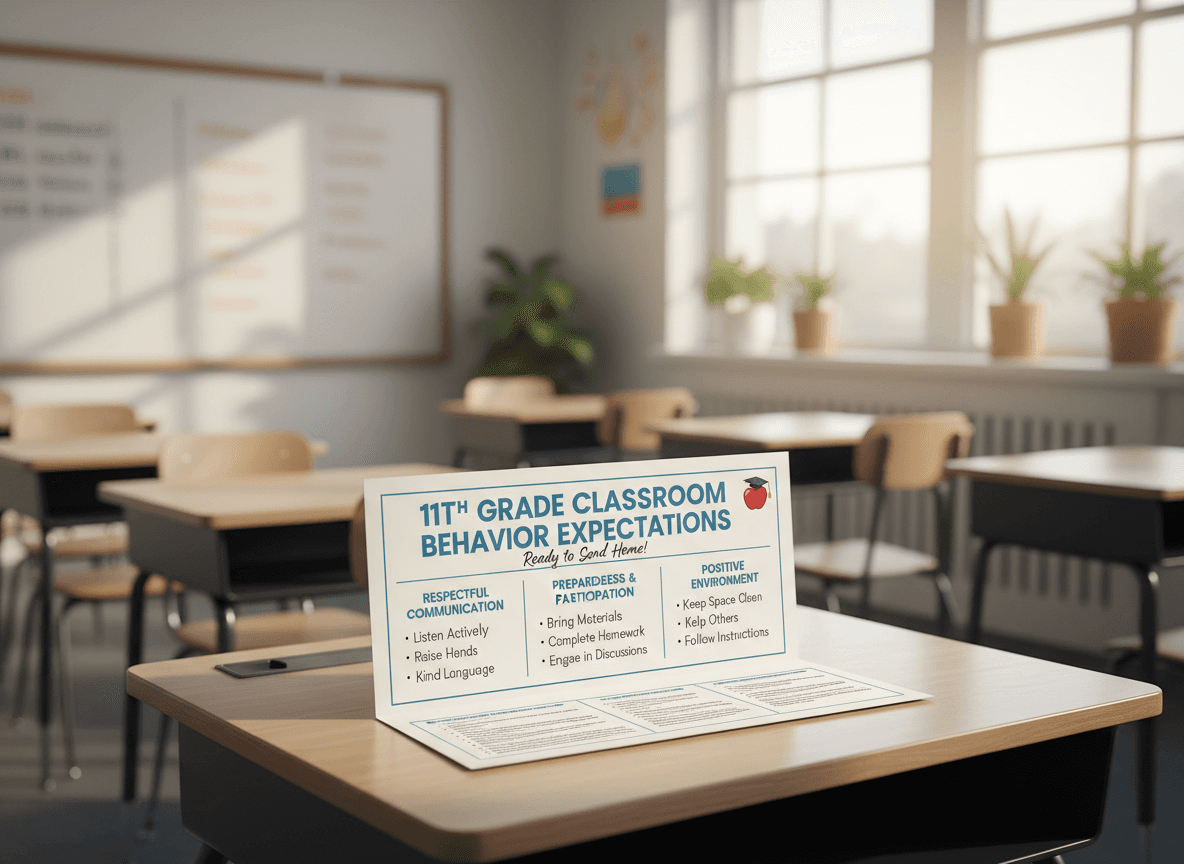
Behavior communication with the parents of high schoolers is different from anything you do in earlier grades. Juniors are 16 and 17 years old. They push back. They have opinions about their classroom environment. And their parents, who have watched them grow up, sometimes have a hard time reconciling "my kid is a good person" with "your kid is disrupting my class."
A well-written behavior newsletter does not solve all of that. But it does give you a foundation. It establishes your expectations before there is a conflict. It tells parents how you handle problems. And it positions you as someone who communicates proactively instead of just calling home when things go wrong. This guide covers how to write that newsletter for an eleventh grade class.
Send It Before You Need It
The best behavior newsletter is one you never had to write reactively. Send your expectations home in the first week of school, before any specific behavior becomes a problem. This accomplishes two things. First, families know what the rules are and why they exist. Second, when you do need to follow up about a specific issue, you can reference a document they have already received. That changes the conversation from "here is something bad your kid did" to "here is how we move forward from here."
A first-week behavior newsletter also signals to parents that you run a structured classroom. That matters. Families who feel confident that you are in control of your room are more likely to back you when issues arise.
Write Expectations in Terms of Purpose, Not Rules
Rules without reasons create adversarial energy. At the junior level especially, students and their parents are more receptive to expectations they understand. Take each expectation and pair it with the reason it exists in your room.
Phone use during instruction is a common one. Rather than writing "no phones during class," try: "Devices stay away during direct instruction because students who track their notes in real time retain the material better and ask sharper questions. We set up designated times for students to check messages between activities." That is not softer. It is more useful. It explains what you are optimizing for, which makes it harder to dismiss.
Be Specific About What Disruption Looks Like
Vague rules lead to vague compliance. "Be respectful" means different things to different families. Name the specific behaviors you are watching for. Late arrivals without a pass. Side conversations during instruction. Responses to feedback that derail the lesson. Leaving seats without permission during group work.
When parents see their student's specific behavior named in a document they received at the start of the year, the conversation is very different from the one where you are describing the behavior for the first time. Specificity protects both of you.
Describe Your Response Process
Parents want to know what you do before you call them. Walk through your steps. First, you address the behavior privately with the student. If it continues, you document and send a brief note home. If there is no change after that, you involve a counselor or administrator. If there is an immediate safety concern, you escalate directly.
This sequence does two things. It reassures families that you handle things thoughtfully before involving them. And it tells them that if they do get a phone call, it is because the problem has persisted through earlier steps. Neither of those is a small thing when you are managing a challenging situation with a junior's family.
Address Attendance and Tardiness Directly
Junior year attendance patterns often start slipping. Students are more likely to be driving themselves to school. They have more activities. Some are working part-time jobs. Their social lives are more complex. All of that shows up in tardy slips and early dismissals.
Put your attendance expectations in the behavior newsletter. How does tardiness affect participation grades? How many absences trigger a conversation with a counselor? What is the make-up work policy for missed content? Parents who know these policies upfront are less likely to be surprised or upset when they see the consequences.
Invite Partnership, Not Confrontation
The behavior newsletter is a place to establish yourself as someone who wants to work with families, not against them. Acknowledge that juniors are at a developmentally complex stage. Name the things you see students doing well. Then describe the areas where you want to build shared expectations between home and school.
Language like "I want to make sure we are on the same page so that if I need to reach out, we already have a foundation" frames the whole document as collaborative. You are not issuing warnings. You are setting up a working relationship. That distinction matters enormously when you eventually do need a parent on your side.

Close With How to Reach You
End every behavior newsletter with your preferred contact method and response time. If you check email once a day, say so. If parents should go through the school's communication system for formal concerns, explain that. If you are available by phone during a specific window, give that window.
Families who know exactly how to reach you and when to expect a response are far less likely to escalate before giving you a chance to respond. Clear contact information at the end of a behavior newsletter is not an administrative detail. It is part of the behavior management system itself.
Get one newsletter idea every week.
Free. For teachers. No spam.
Frequently asked questions
When should I send a behavior newsletter to junior year parents?
The start of the school year is the most important time. Set expectations before problems arise. A mid-year check-in is useful if you are noticing patterns that need addressing with a group of families. Individual behavior concerns should be handled with direct contact, not a class-wide newsletter.
How do I communicate behavior expectations without sounding confrontational?
Frame every expectation around what it enables rather than what it prevents. 'Phones are away during direct instruction so students can track their own progress in real time' lands differently than 'no phones.' One describes a purpose. The other describes a rule. Purpose-based language invites cooperation instead of resistance.
Should I mention consequences in a behavior newsletter to parents?
Yes. Parents want to know what happens when expectations are not met. Be specific and matter-of-fact about it. Outline the steps you take before escalating to administration. Families who understand the process before a consequence happens are far less likely to challenge it when it does.
How do I address a class-wide behavior pattern in a newsletter without calling out individual students?
Write at the behavior level, not the student level. 'We have been seeing an increase in late arrivals that disrupts the first five minutes of class for everyone' is specific enough to be useful without targeting anyone. Follow it with what you are going to do about it and what you need from families.
What newsletter platform works well for sending behavior updates to high school parents?
Daystage is a good fit for this. Teachers write the update once, and it goes to the whole class list as a clean, readable newsletter rather than a dense email. For behavior communication, presentation matters. A well-organized newsletter signals that you are thoughtful and professional, which sets the right tone before a parent even reads the first line.

Adi Ackerman
Author
Adi Ackerman is a former classroom teacher and curriculum writer with 8 years in K-8 schools. She writes about school communication, parent engagement, and what actually works in real classrooms.
More for High School
Eleventh Grade Classroom Rules Newsletter: How to Communicate Expectations to Junior Families
High School · 6 min read
Eleventh Grade Homework Policy Newsletter: Setting Clear Expectations for Junior Year Families
High School · 6 min read
Eleventh Grade Back to School Newsletter: Starting Junior Year With Purposeful Family Communication
High School · 7 min read
Ready to send your first newsletter?
3 newsletters free. No credit card. First one ready in under 5 minutes.
Get started free