

School Mental Health Resources Newsletter for Families
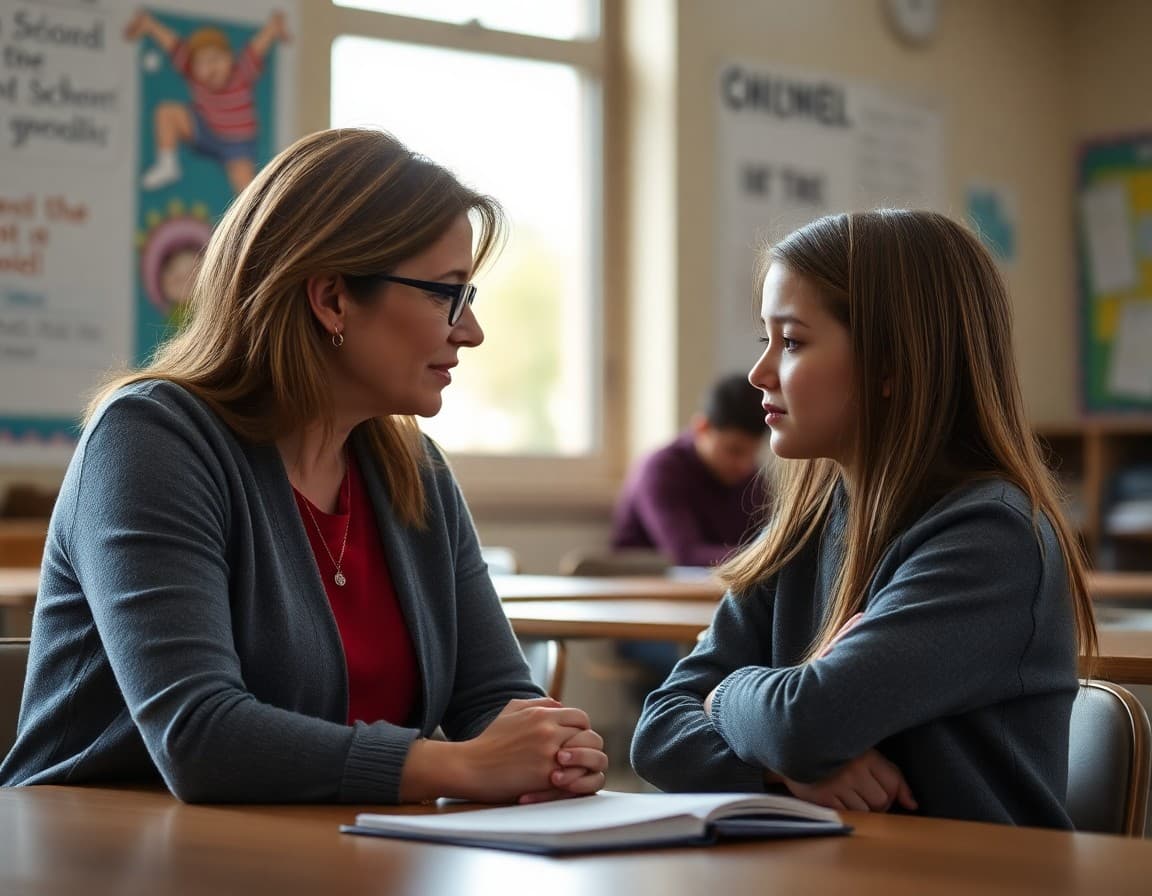
A mental health resources newsletter is a preventive tool, not a crisis response document. The goal is to give every family the information they need before they are in a difficult moment with their child, so that when they need it, they know where to turn.
Open by normalizing mental health challenges in young people
Families are more likely to seek help for their child if they understand that mental health challenges are common and not a sign of failure. An opening that frames mental health as a normal part of human health reduces the stigma that prevents families from asking for support.
"One in five young people experience a significant mental health challenge at some point during their school years. Most of these challenges are treatable, and students who receive support early fare significantly better than students who struggle without help. The resources in this newsletter are here for every family, not just families in crisis. We encourage you to read through them now, before you need them."
List the school's counseling resources with contact information
Families often do not know how to access school counseling services. Make the process as simple as possible: name the counselor, their role, and exactly how to contact them or schedule an appointment.
"Our school counselor is [Name]. She is available for student and family consultations Monday through Friday, 8 AM to 4 PM. Students can request to see the counselor through their teacher or by stopping by the counseling office. Families can contact her directly at [email] or [phone]. She responds within one business day."
Describe what signs to watch for at different ages
Mental health warning signs look different at different developmental stages. A brief, age-appropriate guide helps families calibrate what normal looks like versus what warrants concern.
"Elementary students: persistent reluctance to attend school, frequent physical complaints without medical cause, regression in behavior, or sudden fearfulness. Middle school students: significant withdrawal from friends and activities, marked changes in mood or behavior, declining performance. High school students: isolation, hopelessness, risk-taking behavior, any statement suggesting life is not worth living. At any age: talk about wanting to hurt themselves or others requires immediate attention."
List crisis resources with accurate contact information
Crisis resources should be listed in every mental health newsletter, not just newsletters sent during a crisis. Families who have this information already are better positioned to use it.
"988 Suicide and Crisis Lifeline: call or text 988. Available 24 hours, 7 days a week. Crisis Text Line: text HOME to 741741. NAMI Helpline: 1-800-950-6264. Local crisis center: [Local name and number]. If you believe your child is in immediate danger, call 911 or go to your nearest emergency room."
Sample newsletter template excerpt
Mental health resource update for [school name] families:
The start of a new school year brings real adjustments for students: new teachers, new peers, new academic expectations. For most students, those adjustments smooth out by October. For some, they do not.
If your student is struggling, please reach out early. Our counselor can meet with your student for an initial conversation, help identify what kind of support would be most useful, and connect your family to community resources if needed. Early conversations are easier and more effective than waiting until a problem becomes a crisis.
Provide guidance on how to start a conversation with your child
Many families want to support their child but do not know how to open a conversation about mental health. A brief, practical guide in the newsletter gives families a starting point.
"How to start: find a low-pressure moment, not right after school or right before bed. Say something specific: 'You seem different lately. I'm not trying to pry, but I want you to know I'm here if you want to talk.' Then actually listen. Do not immediately problem-solve. The goal of the first conversation is for your child to feel heard, not for you to fix something."
List community mental health resources with access information
Include the specific community mental health services available in your area, with information about whether they accept Medicaid or offer sliding scale fees. Families who cannot afford private therapy need to know where they can get help without that barrier.
Get one newsletter idea every week.
Free. For teachers. No spam.
Frequently asked questions
What mental health signs in students should prompt families to seek help?
Signs that a student may need mental health support include persistent sadness or irritability lasting more than two weeks, significant withdrawal from friends, family, or activities they previously enjoyed, changes in sleep or eating patterns, declining academic performance that is not explained by other factors, expressions of hopelessness or worthlessness, increased anxiety that interferes with daily activities, and any statement about not wanting to be alive or that others would be better off without them. The last category requires immediate action. Other signs benefit from a conversation with a school counselor or pediatric mental health professional.
What mental health services does a school counselor provide?
School counselors provide short-term counseling for common challenges like academic stress, peer conflict, grief, family changes, and adjustment difficulties. They conduct risk assessments when safety concerns are present and connect students and families to community mental health resources for longer-term treatment needs. They also coordinate with teachers and administrators to support students with mental health challenges in the academic environment. School counselors are not licensed therapists and do not provide long-term psychotherapy, but they are often the first point of contact and can guide families toward the right level of care.
How do schools handle student mental health information with regard to family privacy?
Mental health discussions between a student and a school counselor are generally confidential. Exceptions exist when the counselor believes a student is at risk of harming themselves or others, in cases of abuse or neglect, or when legally required to disclose. In most cases, the counselor will discuss with the student what will and will not be shared with parents before sharing anything. Families who want to know about counseling their child is receiving should have a direct conversation with the counselor about what can appropriately be shared.
What community mental health resources should school newsletters list?
School mental health resource newsletters should include the national mental health hotlines (NAMI, SAMHSA, Crisis Text Line), the 988 Suicide and Crisis Lifeline, local community mental health centers that accept Medicaid, local private therapy practices that serve children and adolescents, and any school-based mental health programs the district funds. For high school newsletters, including resources specifically for teenagers and young adults is important. Resources should include both crisis-level support and routine mental health services.
How does Daystage help school counselors share mental health resources with families?
Daystage lets school counselors send mental health resource newsletters directly to families with clickable links to hotlines, community programs, and school counseling contact information in a format that families can save and reference. When a family receives a Daystage newsletter listing mental health resources in a clear, organized format, they are more likely to have those resources available when they need them than if the information was buried in a paper sent home months earlier.

Adi Ackerman
Author
Adi Ackerman is a former classroom teacher and curriculum writer with 8 years in K-8 schools. She writes about school communication, parent engagement, and what actually works in real classrooms.
More for Health & Wellness
Ready to send your first newsletter?
3 newsletters free. No credit card. First one ready in under 5 minutes.
Get started free