
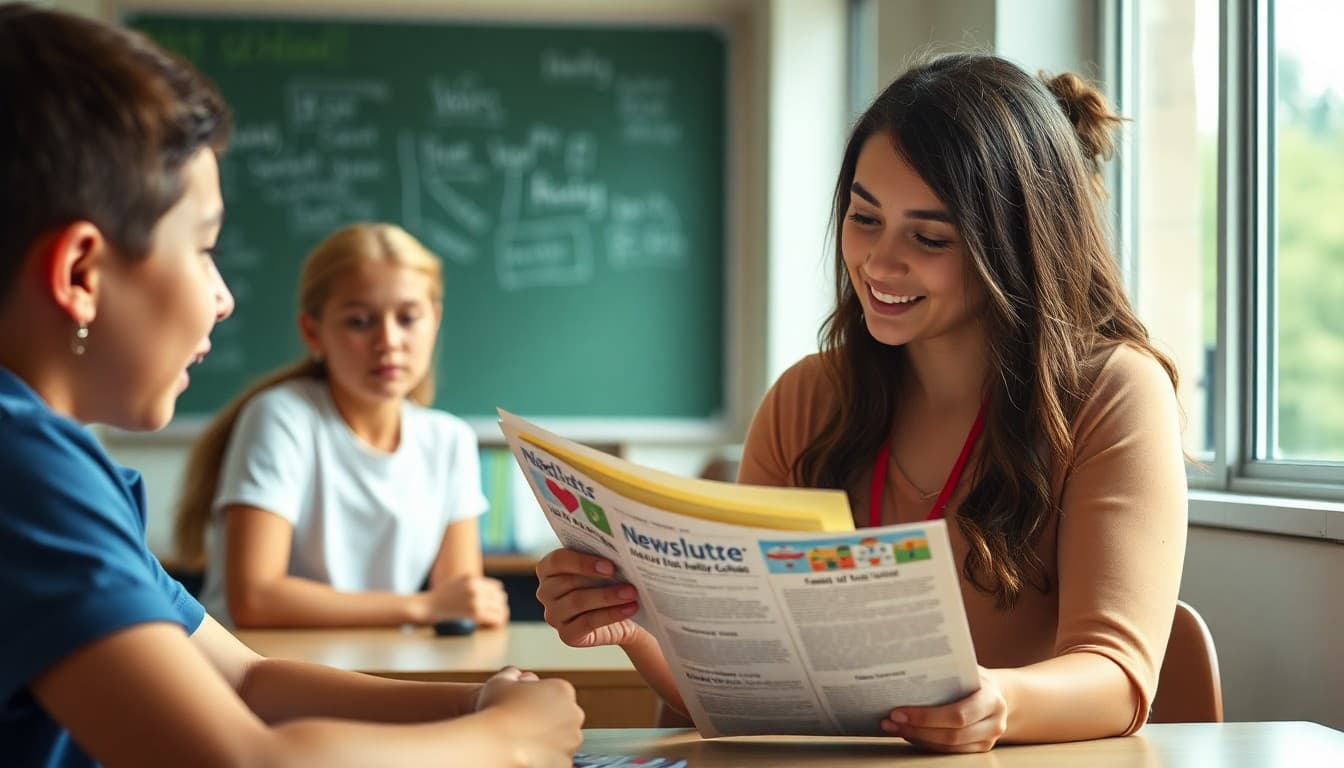
PE Teacher Parent Resources Newsletter: Health and Fitness Tools for Families
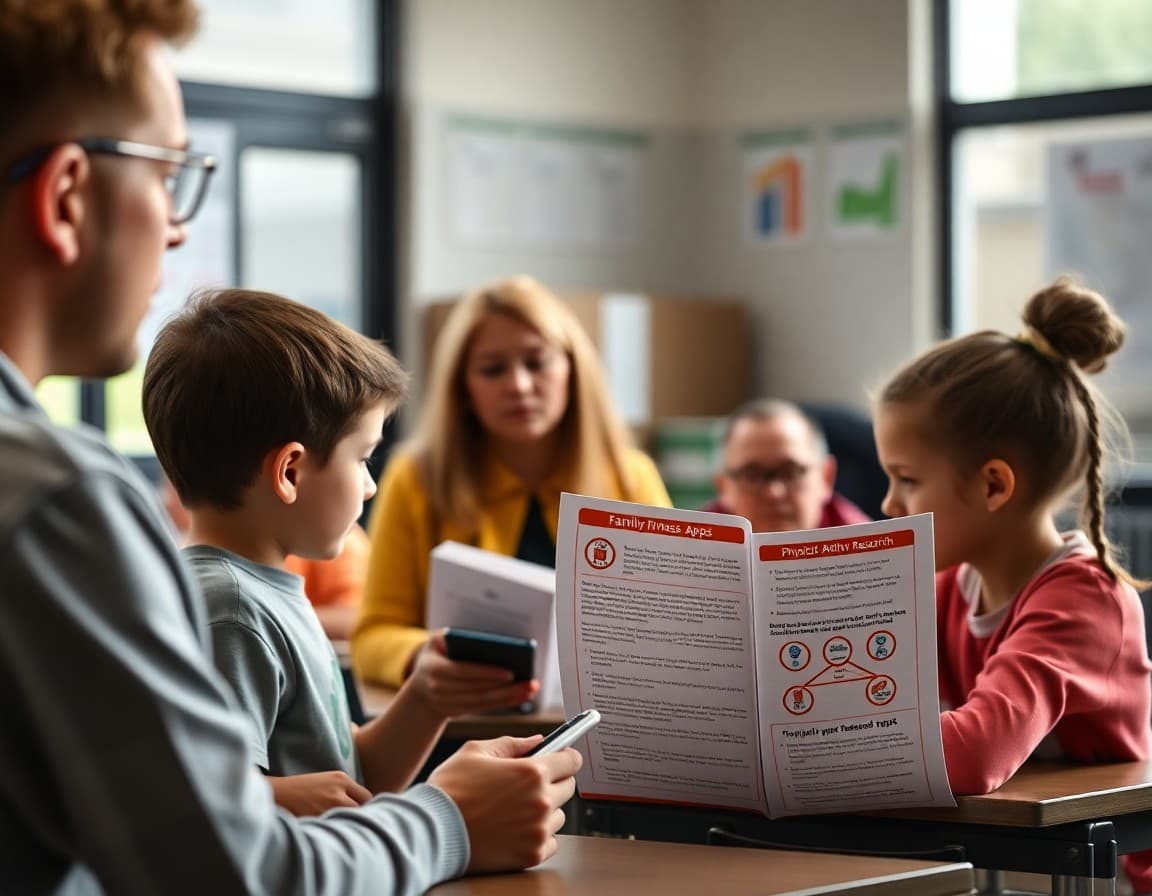
PE teachers are among the best-positioned educators to help families navigate physical activity decisions, because they understand both child development and movement science. A resources-focused newsletter that shares practical, evidence-based tools for staying active at home extends the PE teacher's impact far beyond the 45 minutes students are in class and builds family confidence in supporting their child's physical development.
Physical Activity Guidelines Families Should Know
Start by sharing the basics that many families do not know: the CDC and American Academy of Pediatrics recommend that children ages 6 to 17 get at least 60 minutes of moderate to vigorous physical activity every day. This should include aerobic activity most days, muscle-strengthening activities at least three days a week, and bone-strengthening activities at least three days a week. Most children in the US fall significantly short of these targets. Sharing this research, with the specific numbers, gives families a concrete target to work toward rather than a vague sense that their child should "be more active."
Free Physical Activity Apps for Families
Several excellent free resources make family physical activity more accessible. GoNoodle provides short movement videos for elementary-age children. Cosmic Kids Yoga on YouTube combines yoga with storytelling for younger children. Nike Training Club and the 7 Minute Workout app have family-friendly options. Strava and Runkeeper let families track walks, runs, and bike rides together. A newsletter that includes three or four specific, free app recommendations with brief descriptions gives families an immediate, low-friction path to more activity.
Local Physical Activity Resources
Community resources are often underutilized because families do not know about them. A newsletter section on local parks, free community sports leagues, recreation center programs, school athletic facilities open for community use, and trails or paths nearby gives families geographic context that app recommendations cannot provide. This section requires some local research but becomes one of the most used parts of the newsletter because it is genuinely specific to where families live.
The Research on Physical Activity and Learning
One of the most compelling arguments for family physical activity is the research on its effect on academic performance. Studies consistently show that physically active children have better attention, improved executive function, and stronger academic outcomes than sedentary peers. Sharing two or three specific research findings, with plain-language summaries, gives families the evidence base they need to prioritize physical activity even when schedules are busy. This kind of research-sharing positions the PE teacher as a credible health educator, not just a class manager.
Seasonal Activity Ideas
Match the activity recommendations to the season: outdoor swimming, cycling, and hiking in warm months; sledding, skating, and indoor gym play in winter; leaf pile jumping, nature hikes, and apple picking in fall. Seasonal suggestions feel immediately relevant and actionable rather than abstract. A brief list of five activities, with what to bring and what makes each one enjoyable for families with children at your students' developmental stage, is one of the highest-engagement sections any PE newsletter can include.
Screen Time and Physical Activity Balance
The American Academy of Pediatrics recommends that families manage screen time quality and context rather than focusing solely on hours. A PE newsletter section that helps families think about replacing passive screen time with active screen time, video games that require movement, YouTube fitness challenges, or active play inspired by screen content, is practically useful and avoids the confrontational tone that pure "limit screens" messaging tends to create. Reframing screen time as a physical activity partnership opportunity is more effective than treating it as the enemy.
Becoming the Family Health Resource
PE teachers who consistently share useful health and fitness resources through their newsletter develop a reputation as the school's family health expert, not just the gym teacher. This reputation supports program advocacy: families who rely on the PE teacher for health information are more invested in protecting the program. Daystage makes it easy to build and distribute these resource-rich newsletters consistently throughout the year.
Get one newsletter idea every week.
Free. For teachers. No spam.
Frequently asked questions
What parent resources should a PE teacher share in a newsletter?
Age-appropriate physical activity guidelines from the CDC or AAP, free fitness apps families can use together, YouTube channels with family workout videos, local parks and recreation programs, and research on the connection between physical activity and academic performance.
How does sharing resources position the PE teacher as a health advocate?
A PE teacher who consistently shares useful, evidence-based health resources becomes a trusted source for families navigating physical activity decisions. This builds program credibility and increases family support for PE funding and scheduling.
What free fitness resources work best for elementary school families?
GoNoodle (free movement breaks), Cosmic Kids Yoga on YouTube, the CDC's Physical Activity Guidelines for Americans, local park and trail maps, and family sports leagues through parks and recreation departments are all accessible and well-received.
What does the research say about children's physical activity that PE newsletters should share?
Children need 60 minutes of moderate to vigorous physical activity daily. Regular physical activity improves academic performance, attention, and behavior at school. Limited screen time and regular outdoor play are associated with better sleep and healthier weight.
What tool works best for PE teacher parent resource newsletters?
Daystage makes it easy to include clickable links, embedded videos, and organized resource lists in a newsletter that families can save and refer back to. The mobile-friendly format ensures resources are accessible from any device.

Adi Ackerman
Author
Adi Ackerman is a former classroom teacher and curriculum writer with 8 years in K-8 schools. She writes about school communication, parent engagement, and what actually works in real classrooms.
More for Health & Wellness
Ready to send your first newsletter?
3 newsletters free. No credit card. First one ready in under 5 minutes.
Get started free