

School Flu Prevention Newsletter: Staying Healthy This Season
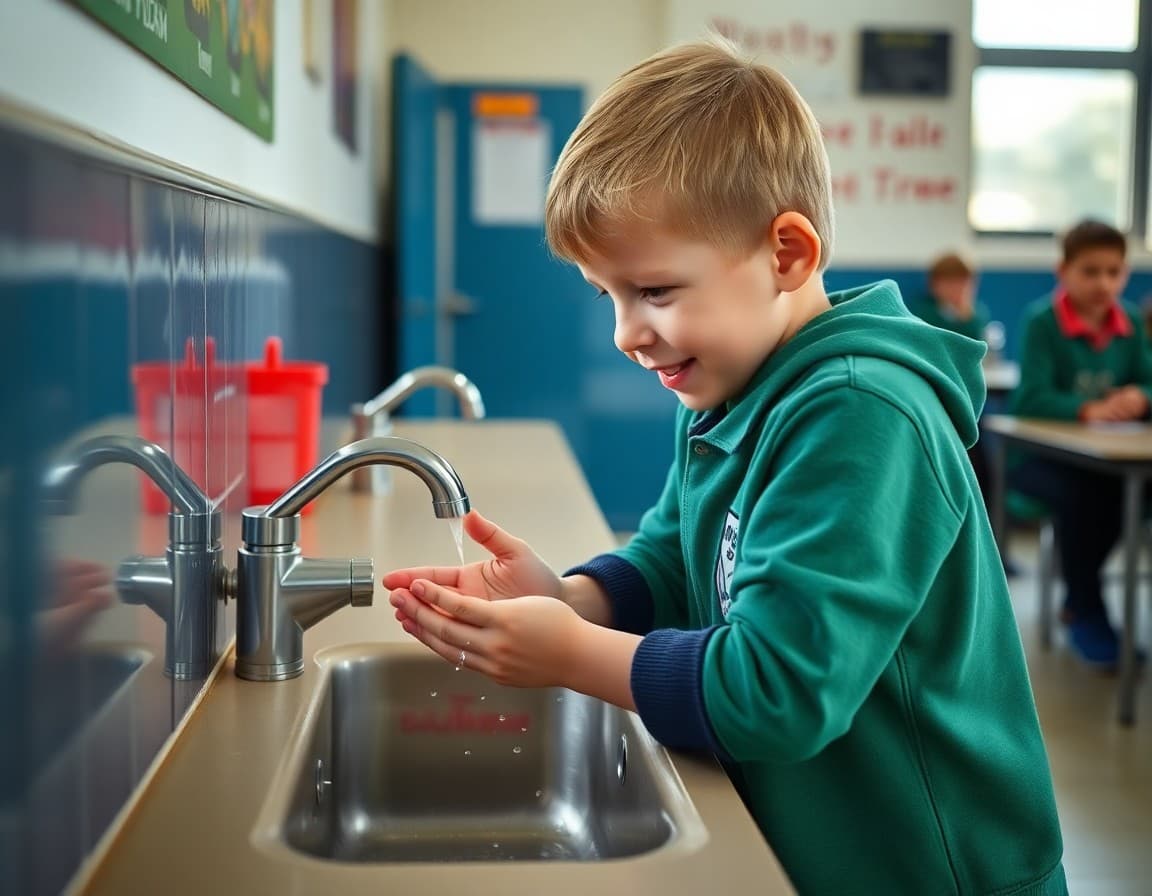
A flu prevention newsletter works best when it goes out in October, before flu season peaks, not after the first wave of absences hits. The goal is to set clear expectations about sick days and give families practical tools before they need them.
State the sick-day policy in plain language at the top
The most important information in a flu prevention newsletter is the sick-day policy: when to keep a child home and when it is safe to send them back. Put this where it cannot be missed.
"Keep your child home if they have: fever of 100.4°F or higher, vomiting or diarrhea in the past 24 hours, or symptoms that suggest they cannot participate normally in school. Students must be fever-free for 24 hours without fever-reducing medication before returning to school. A child who woke up with a fever at 3 AM cannot come to school that afternoon even if the fever is gone. The 24-hour clock starts when the last fever was recorded."
Explain what flu looks like versus a regular cold
Many families are uncertain whether their child's illness is the flu or a cold. A brief, practical description helps families make the right decision about whether to seek medical care.
"The flu typically comes on suddenly and includes fever, chills, muscle aches, headache, and exhaustion alongside respiratory symptoms. A cold usually builds gradually and causes mostly nasal and throat symptoms without the intense body aches and fatigue. If your child went to bed fine and woke up with a 102-degree fever and says their whole body hurts, that is a flu presentation. If they have a runny nose and mild sore throat, that may be a cold. When in doubt, keep them home."
Make the flu vaccination recommendation specifically
A newsletter that strongly recommends flu vaccination by name, with specific local resources, helps more families act than a general statement that vaccines are good.
"The CDC recommends annual flu vaccination for everyone over 6 months of age. The vaccine takes about two weeks to reach full effectiveness, so vaccinating in October is better than vaccinating in December. Local options: most pharmacies including CVS, Walgreens, and Rite Aid offer walk-in flu shots. Many offer free shots with insurance. The county health department also offers flu shots at low or no cost."
Describe what the school does to reduce transmission
Families who know the school is actively managing flu season are more likely to take the school's guidance seriously. Describe specific measures the school is taking.
"During flu season, our custodial team increases cleaning frequency on door handles, desks, and shared surfaces. Hand sanitizer is available at the classroom door and in hallways. Teachers have been asked to remind students about handwashing before lunch and after returning from common areas. The health office tracks absence patterns daily and will notify families if flu-like illness rates rise significantly in specific classrooms or grade levels."
Sample newsletter template excerpt
Flu season is here. Here is what our school is asking of every family:
1. Keep your child home if they are sick. Sending a visibly ill child to school exposes every student in their class and every teacher they encounter. It also does not help the child recover faster.
2. Flu vaccination. The most effective thing you can do to protect your child and the school community is to get them vaccinated. We are hosting a flu vaccine clinic in the gymnasium on October 28th from 2 to 6 PM. Families can walk in. Vaccines are available for children and adults. Bring your insurance card if you have one.
Address the myth that sick attendance helps grades
Some families pressure children to attend school while sick because they are concerned about missed work or attendance records. A newsletter that directly addresses this concern removes one of the most common barriers to appropriate sick days.
"A student who attends school while sick gets less from that school day than they would get from staying home and recovering. They also expose their classmates. Our attendance policy counts medically necessary absences differently from unexcused absences. If your child is sick enough to stay home, that absence will not count against them. A doctor's note is helpful but not required for a single day's absence."
Tell families what to do if they suspect their child has flu
Families who know the protocol when flu is suspected, keep home, call the doctor if symptoms are severe, test if the doctor recommends it, follow the 24-hour rule for return, act more decisively than families who receive vague guidance. Be specific.
Get one newsletter idea every week.
Free. For teachers. No spam.
Frequently asked questions
When should families keep a sick child home from school during flu season?
Students should stay home if they have a fever of 100.4 degrees Fahrenheit or higher, vomiting or diarrhea, signs of flu including sudden onset of fever, body aches, headache, fatigue, and respiratory symptoms like cough or sore throat. Students who have tested positive for influenza should remain home until they have been fever-free for 24 hours without the use of fever-reducing medication. This 24-hour rule applies even if the student says they feel better, because influenza remains contagious for approximately one to two days after symptoms resolve.
What are the most effective flu prevention practices for school-age children?
Annual influenza vaccination is the single most effective prevention measure and is recommended by the CDC for everyone 6 months and older. Beyond vaccination, thorough handwashing with soap and water for at least 20 seconds, especially before eating and after coughing or touching shared surfaces, reduces transmission significantly. Teaching students not to touch their eyes, nose, or mouth with unwashed hands addresses the primary route of influenza virus entry. Staying at least three feet from people who are visibly sick, covering coughs and sneezes with a tissue or elbow, and not sharing food or drinks are additional effective practices.
How do schools reduce flu transmission in classrooms and common areas?
Schools reduce flu transmission through increased cleaning frequency of high-touch surfaces including door handles, desk surfaces, bathroom fixtures, and shared computer equipment during flu season. Hand sanitizer stations in hallways and classrooms supplement handwashing. Schools may adjust seating arrangements in cafeterias during high transmission periods. Some schools implement temporary restrictions on sharing food or supplies. Teachers who spot visibly sick students in class are encouraged to send them to the health office rather than allowing them to remain and expose classmates.
Should schools require flu vaccination for students or staff?
No U.S. state currently mandates influenza vaccination for school enrollment, unlike the vaccines required for measles, polio, and other diseases. Many school districts encourage vaccination strongly and may offer on-site flu vaccination clinics as a convenience for families. Healthcare workers in school health offices are sometimes required to receive flu vaccination under employer policy. A school newsletter can encourage vaccination strongly and describe where to access it locally without implying or stating that it is required.
How does Daystage help school nurses communicate flu prevention to families?
Daystage lets school nurses send flu prevention newsletters at the start of flu season with practical prevention tips, the school's sick-day policy, and local vaccination resources in a format families save and reference. When families receive a Daystage newsletter in October with specific guidance on when to keep a child home and where to get flu shots, compliance with sick-day policies improves and the spread of influenza through the school slows measurably compared to schools that communicate these policies only when an outbreak is underway.

Adi Ackerman
Author
Adi Ackerman is a former classroom teacher and curriculum writer with 8 years in K-8 schools. She writes about school communication, parent engagement, and what actually works in real classrooms.
More for Health & Wellness
Ready to send your first newsletter?
3 newsletters free. No credit card. First one ready in under 5 minutes.
Get started free