

Allergy Action Plan Newsletter: Keeping Students Safe
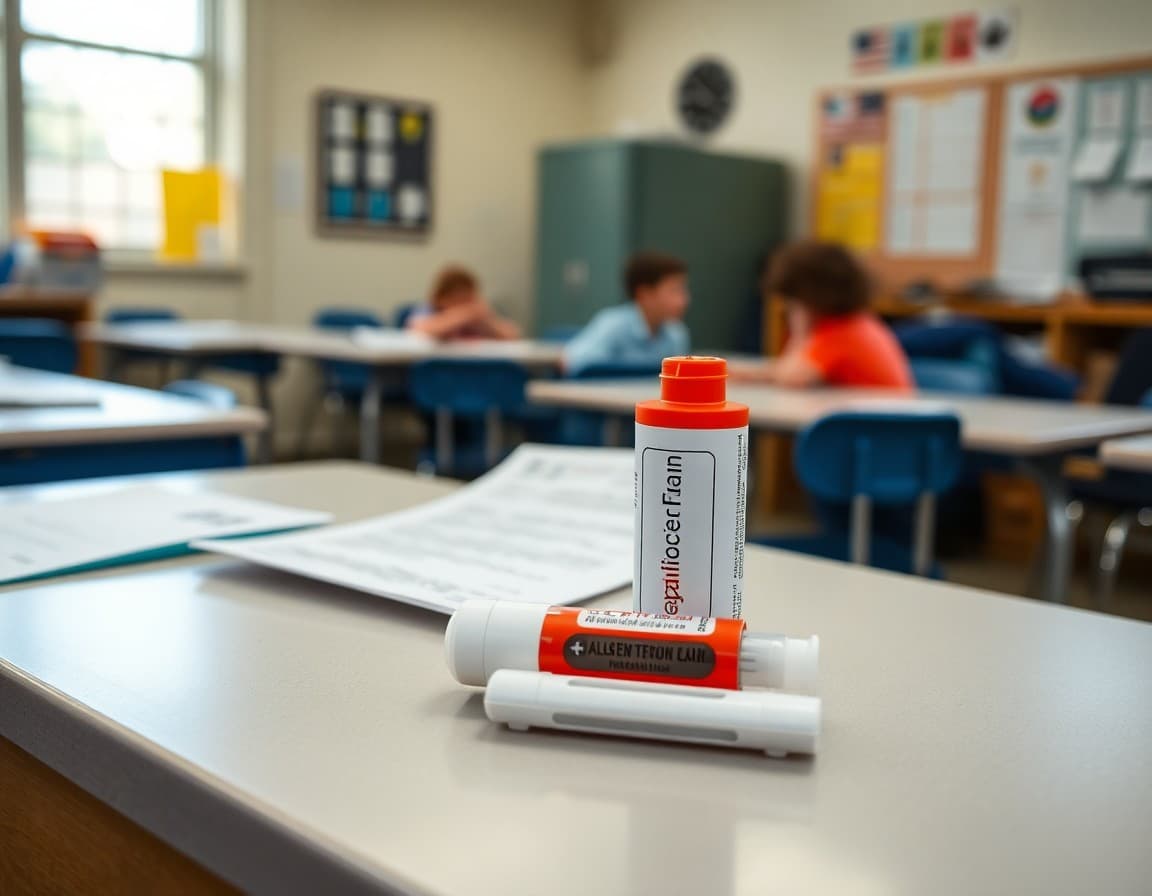
Allergy action plan newsletters serve two distinct audiences: families of students with allergies, who need to know what to provide and when, and the broader school community, who need to understand how the school manages allergies and what role they play in keeping allergic students safe.
Tell allergy families exactly what to provide and by when
Families of students with known allergies should receive a specific, actionable list of what to bring to school before the year begins. Vague instructions result in incomplete plans and missing medications.
"If your child has a diagnosed food allergy or anaphylaxis risk, please provide the following to the health office by September 12th: one completed and physician-signed allergy action plan (form available from your doctor or from the health office), two epinephrine auto-injectors in original pharmacy-labeled packaging, and any additional medications listed on the action plan. Medications must not be expired. If a device expires during the school year, please replace it within two weeks."
Describe the school's response protocol in clear terms
Families of allergic students need to know specifically what the school will do if their child has a reaction. Describing the protocol builds confidence and prevents the secondary panic of not knowing.
"If your child shows signs of an allergic reaction at school: staff will consult the action plan on file, follow the treatment steps in the plan in order, administer epinephrine if indicated, call 911 if epinephrine is administered or if the reaction involves breathing difficulty, and call the parent or guardian immediately. Staff will not delay epinephrine to call the parent first if the plan indicates epinephrine is needed."
Explain cafeteria and classroom protocols to all families
Non-allergic families play an important role in allergy safety when they understand what the school asks of them. A newsletter that explains classroom food policies, allergen-free zones, and why these precautions exist builds community cooperation.
"This year, one classroom in grades 3 through 5 has been designated nut-free due to the presence of a student with a severe tree nut and peanut allergy. Families of students in those classrooms will receive a separate communication with the specific guidelines. We appreciate the support of all families in keeping this environment safe."
Address the school's stock epinephrine policy
Many states now allow or require schools to maintain stock epinephrine for use when a student does not have their personal device available. A newsletter that describes this policy builds family confidence and clarifies that the school can respond even in situations when the student's own medication is not immediately accessible.
"Our school maintains stock epinephrine auto-injectors under our state's school epinephrine access program. Stock epinephrine can be used for any student experiencing anaphylaxis, even a student who has never been diagnosed with an allergy before. Stock epinephrine is available in the health office and in a designated location in the gymnasium. All staff are trained annually on its use."
Sample newsletter template excerpt
Back to school health checklist for families of students with food allergies or anaphylaxis risk:
Due September 12th: updated allergy action plan signed by your physician, and two unexpired epinephrine auto-injectors in pharmacy packaging. If your child's allergy status has changed since last year, or if they have not been diagnosed with an allergy but you have concerns about food reactions, please schedule a meeting with the school nurse before school begins.
Communicate what teachers know about individual student allergies
Families sometimes worry that teachers do not know about their child's allergy. A newsletter that explains how allergy information is communicated to teachers and staff at the start of the year reduces this concern.
"At the start of each year, the health office sends a confidential notification to all teachers and staff who supervise each student with a known allergy. That notification includes the specific allergen, the signs of reaction to watch for, and the location of the student's action plan and medications. Staff who need a refresher on epinephrine use receive that training during the first week of school."
Invite families to communicate directly about concerns
Families of allergic students often have specific concerns about field trips, school events, birthday celebrations, or science experiments that may involve allergens. A newsletter that explicitly invites those conversations in advance prevents many of the situations that create risk.
Get one newsletter idea every week.
Free. For teachers. No spam.
Frequently asked questions
What is a school allergy action plan and who needs one?
A school allergy action plan is a written medical document, completed and signed by a physician, that describes a student's specific allergens, symptoms of allergic reaction, and the step-by-step treatment protocol the school should follow in case of an allergic reaction. Any student with a diagnosed food allergy, bee sting allergy, or other condition that could cause anaphylaxis or a severe allergic reaction needs an action plan on file at the school. Plans are updated annually and must be signed by both the physician and a parent or guardian.
What medications does a school allergy action plan require families to provide?
Most allergy action plans require families to provide epinephrine auto-injectors (EpiPens or equivalent) to the school, to be stored in the health office or a designated location. Some plans also include antihistamines like diphenhydramine (Benadryl) as a secondary treatment. All medications must be in their original pharmacy-labeled containers. Many states and schools also maintain stock epinephrine for use in emergencies when a student's personal device is unavailable. Families must provide new medications before the expiration date of previously supplied ones.
How does a school manage food allergies in the cafeteria?
Schools manage cafeteria food allergies through a combination of approaches: some schools maintain allergen-free zones or tables, provide allergen information on cafeteria menus, train cafeteria staff on cross-contact prevention, and coordinate with kitchen staff about ingredient transparency. Many schools prohibit specific allergens in classrooms that include a student with severe allergies to that substance. The specific approach varies by school and by the severity of individual student allergies. A newsletter should describe your school's specific protocols so all families understand the system.
What do teachers and staff need to know about student food allergies?
Every teacher and staff member who supervises a student with a known severe allergy should know the student's allergy, recognize the signs of an allergic reaction, know where the student's action plan and medications are stored, and be trained in the use of an epinephrine auto-injector. Many states require schools to provide annual epinephrine training to all staff. A newsletter that mentions this training builds family confidence that the school has prepared staff to respond effectively rather than waiting for the nurse in an emergency.
How does Daystage help school nurses communicate about allergy action plans?
Daystage lets school nurses send back-to-school newsletters requesting updated allergy action plans, listing the required medications families need to provide, and explaining the school's cafeteria and classroom allergy protocols. When families with allergic children receive a Daystage newsletter at the start of the year that clearly explains what is needed and when, action plan submission rates improve and the health office starts the year with complete records rather than chasing missing paperwork through October.

Adi Ackerman
Author
Adi Ackerman is a former classroom teacher and curriculum writer with 8 years in K-8 schools. She writes about school communication, parent engagement, and what actually works in real classrooms.
More for Health & Wellness
Ready to send your first newsletter?
3 newsletters free. No credit card. First one ready in under 5 minutes.
Get started free