
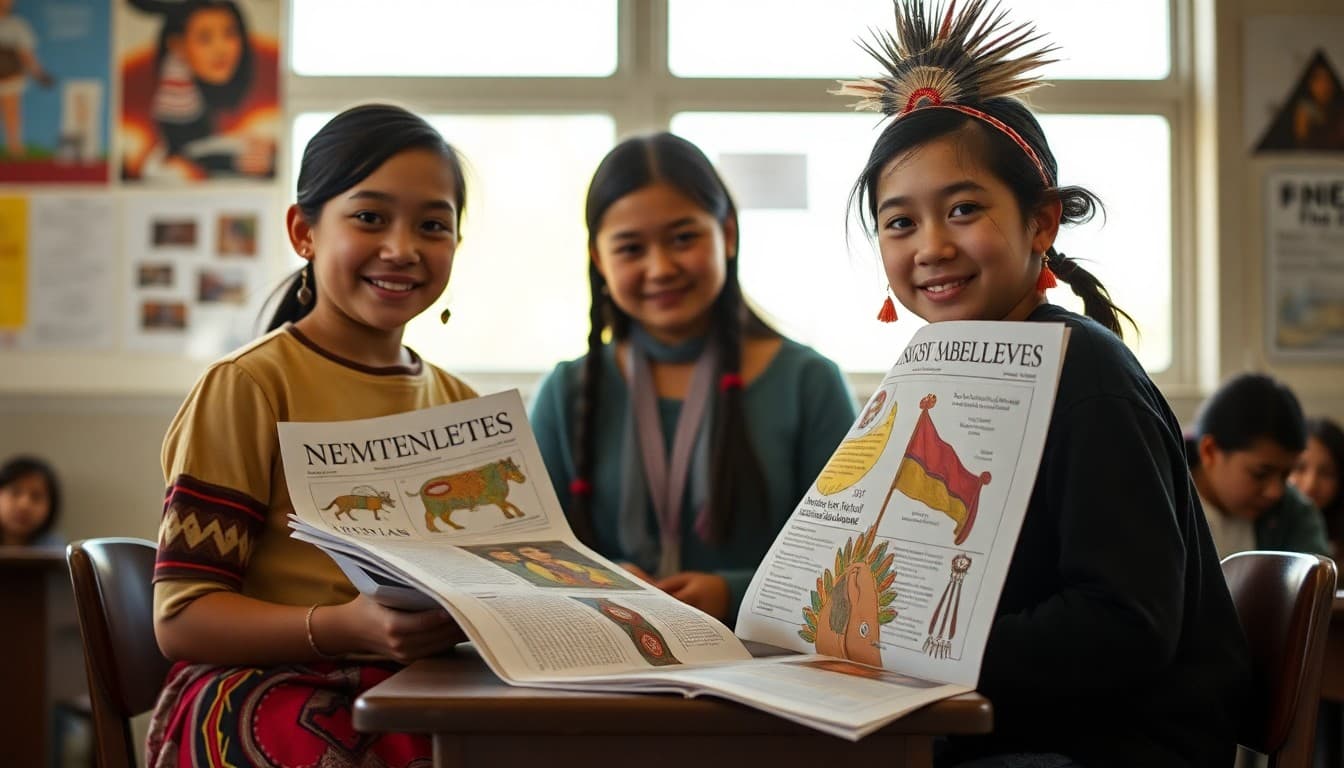
Tribal School Newsletter: Communication for Native Communities
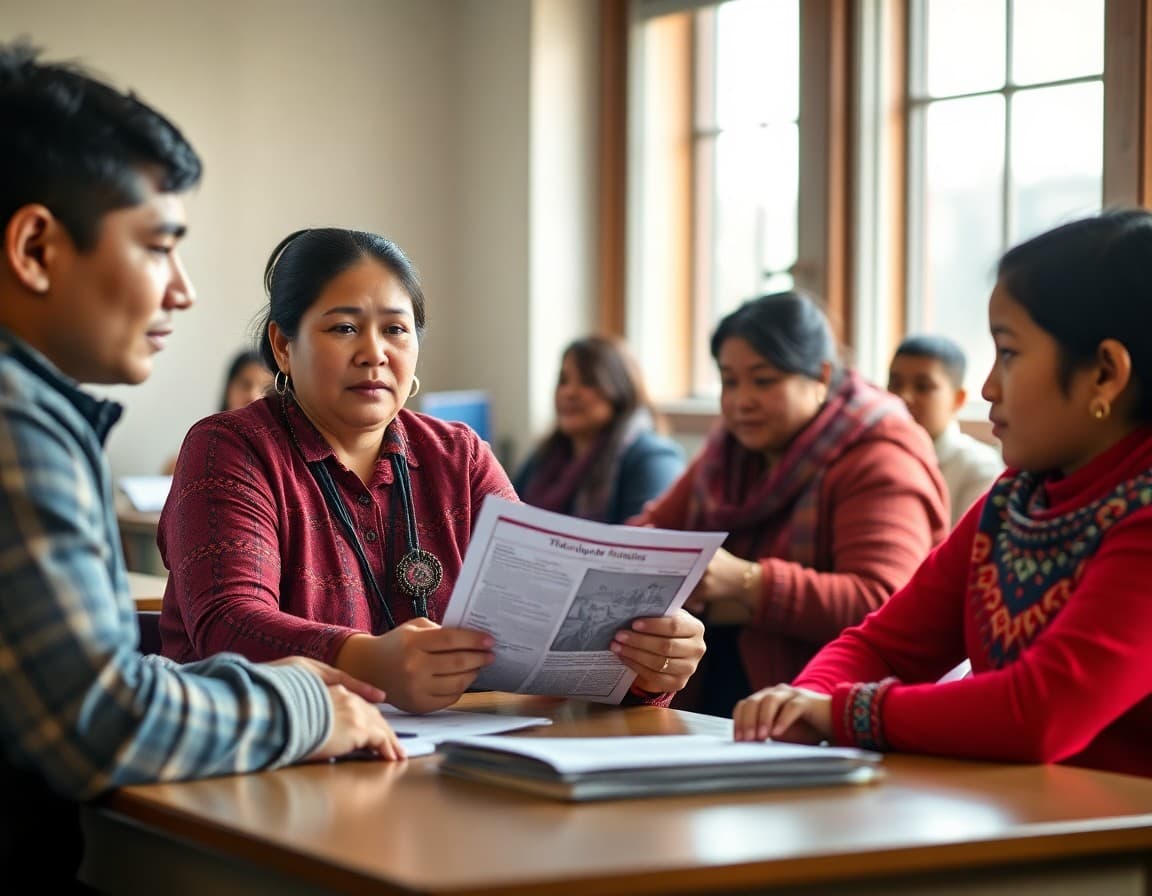
Tribal schools serve communities with deep histories, specific sovereignty rights, and communication values that may differ significantly from the standard school newsletter model. A newsletter written for a tribal school community is more than a vehicle for dates and events. Done well, it reflects the community it serves, honors the language and culture of that Nation, and builds a genuine connection between the school and the families whose children attend it.
Understanding the Governance Structure Before Writing Anything
Who governs the school determines what the newsletter must cover and who approves it. BIE schools have federal accountability requirements that shape their communications differently than tribally controlled schools, which answer primarily to a tribal board. Public schools serving Native students on or near reservation land have state curriculum and communication standards alongside any tribal education authority requirements. Before establishing a newsletter structure, understand which authorities the school answers to and whether the tribal education committee or cultural committee has a role in reviewing school communications. Skipping this step produces newsletters that fail culturally before they reach a single family.
Incorporating Indigenous Language Into the Newsletter
Indigenous language in the school newsletter is not just a translation exercise. It is a statement about what the school values and whose language belongs in official school communication. Start with high-visibility elements: a greeting in the indigenous language at the top of each newsletter, the months of the school year in the indigenous language alongside the English calendar names, a brief quote or phrase from a cultural value the school is working on this month. Over time, add a section summarizing key news in the indigenous language. Involve community language speakers in the creation of this content; machine translation is not appropriate for indigenous languages, most of which are not supported by standard translation tools.
Respecting Ceremonial and Seasonal Calendars
Tribal communities often have ceremonial and seasonal calendars that affect attendance, family availability, and what the community considers appropriate communication timing. Some ceremonies are not public and the newsletter should not reference them. Some seasonal events, like the start of rice harvest or a significant ceremony, affect school attendance in ways that the newsletter can acknowledge without intruding on the ceremony itself. Working with tribal elders or the tribal education committee to understand which community events should be acknowledged in the newsletter, and how, prevents well-meaning but culturally uninformed communication that offends the families the school is trying to serve.
Communal Recognition Over Individual Spotlight
Many Native cultures place significant value on communal achievement and are cautious about singling out individuals for public recognition. A newsletter that spotlights one student's accomplishment as an individual achievement may feel uncomfortable in a community where the expectation is that honors belong to the family, the clan, or the community as much as to the individual. Discuss this with the tribal education committee before establishing a student spotlight or recognition section. Some communities are fully comfortable with individual recognition; others prefer community-level acknowledgment. Get this right from the beginning rather than correcting it after families have expressed discomfort.
Template: Tribal School Newsletter Opening Section
Here is a framework for a culturally grounded newsletter opening:
[Greeting in indigenous language] (English translation: Welcome, [Month] Families)
[School Name] serves students in grades [K-12 or relevant range] on the traditional lands of the [Nation name] people. This newsletter comes to you as a record of what your children are learning, what our community has upcoming, and how you can be part of the school's work this month.
[One culturally grounded value or teaching the school is focused on this month, ideally in both languages]
[Key dates and upcoming events in simple list format]"
Distribution Strategies for Reservation Communities
Email alone will not reach most tribal school families in communities with limited broadband access. A multi-channel approach works best: print and distribute at school (backpack delivery), post on the community center bulletin board, make copies available at the tribal office, coordinate with the tribal radio station if one exists in your community, and distribute at community gatherings including tribal meetings. Some tribes have community text alert systems that can carry a brief newsletter summary and link. Understanding which communication channels the community already uses for important information is the starting point for getting the newsletter into those same channels.
Building a Newsletter That Reflects the School's Cultural Mission
Tribal schools often have explicit cultural preservation and language revitalization missions that are as central to their work as academic instruction. The newsletter should reflect this mission visibly. Include language learning updates: how many students are participating in the language program, a word or phrase families can practice at home this week, and how the language program connects to other subjects. Include cultural programming updates: what students learned in cultural arts, how the drum group is preparing for an upcoming gathering, what traditional ecological knowledge the science class explored this month. A newsletter that reflects the whole of the school's mission communicates to families that the school is genuinely committed to the values that distinguish it from non-tribal schools.
Get one newsletter idea every week.
Free. For teachers. No spam.
Frequently asked questions
How are tribal schools structured and who oversees them?
Tribal schools operate under three primary governance structures. Bureau of Indian Education (BIE) schools are federally operated or tribally contracted schools on reservations and are funded through the federal government. Tribally controlled schools receive federal Indian School Equalization Program (ISEP) funding and are governed by tribal boards. Public schools on or near reservation lands serve Native students but operate under state jurisdiction. Each structure affects which federal communication requirements apply and what flexibility the school has in its content and language choices.
Should tribal school newsletters include indigenous language content?
Yes, and doing so is both a cultural affirmation and a practical communication tool for families where elders or grandparents speak the Native language more fluently than English. Even if the newsletter cannot be fully translated, including a greeting, key dates, and one section in the indigenous language communicates respect for the community's linguistic heritage. For schools with language revitalization programs, the newsletter is a powerful everyday vehicle for reinforcing language learning at home.
What cultural values should shape how tribal school newsletters communicate?
This varies significantly by Nation and community, but common values that shape communication include: communal over individual focus (acknowledging the community rather than only individual students), respect for elders and traditional knowledge holders, recognition of seasonal and ceremonial cycles that affect family and school schedules, and a relational communication style that builds connection rather than just conveying information. Working with tribal cultural advisors or community elders to review newsletter communication is more valuable than any generic guidance.
How do connectivity challenges affect tribal school newsletter reach?
Many reservation communities have very low rates of home broadband access. FCC data consistently shows that broadband access on tribal lands lags the national average by significant margins. Tribal schools that rely entirely on email newsletters are leaving significant portions of their community without information. Printed newsletters, community posting, tribal radio announcements, and word-of-mouth through community organizations are all more reliable than email-only for many tribal school communities.
Can Daystage support newsletters that include indigenous language and cultural content?
Yes. Daystage's block-based newsletter builder supports any text content, including indigenous language, as long as the characters are supported in Unicode (which includes most Indigenous script systems used in the United States). Schools can create bilingual newsletter sections, incorporate custom colors that reflect their Nation's identity, and include community images and cultural artwork. The print-ready PDF feature is particularly useful for tribal schools with limited digital access in the broader community.

Adi Ackerman
Author
Adi Ackerman is a former classroom teacher and curriculum writer with 8 years in K-8 schools. She writes about school communication, parent engagement, and what actually works in real classrooms.
More for Guides
Ready to send your first newsletter?
3 newsletters free. No credit card. First one ready in under 5 minutes.
Get started free