
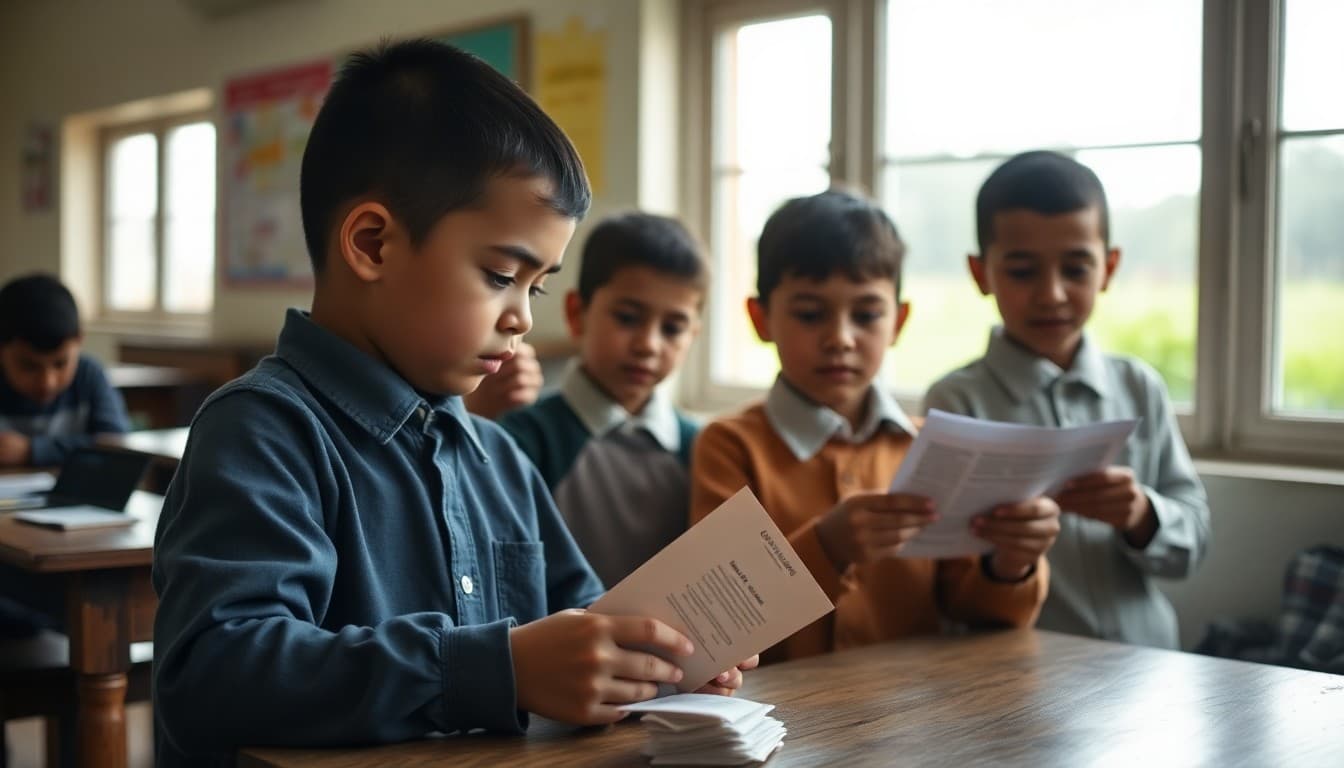
School Newsletter for Rural Families Without Internet Access
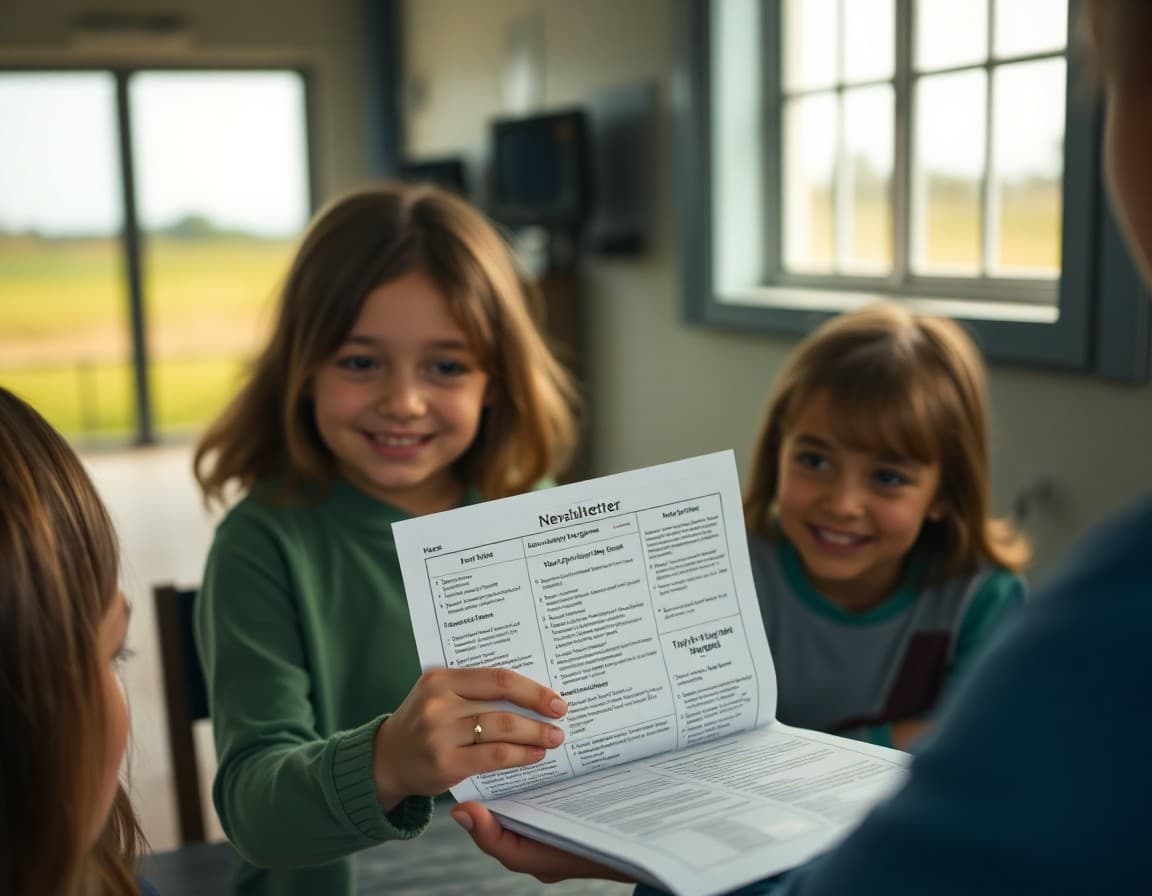
Rural schools often serve families where a reliable broadband internet connection is not available. Building a communication strategy that depends entirely on email in these communities means accepting that a significant portion of families will be systematically underinformed about their children's school life. This guide covers practical approaches for rural schools that need to reach every family, not just the connected ones.
Knowing Your Community's Connectivity Reality
Before designing your newsletter strategy, understand the actual connectivity situation in your school community. Send a brief survey at enrollment each year asking how families prefer to receive school communications and whether they have reliable home internet access. Review your email newsletter's open rate and ask whether it accurately reflects your parent population or whether low open rates partly reflect families who never receive the emails at all. Talk to teachers who do home visits or know their students' home situations. The data you collect helps you design a distribution strategy matched to your actual community, not an assumed one.
Backpack Delivery: The Reliable Core
Printed newsletters sent home with students are the most reliable distribution method for rural families without internet access. To make backpack delivery effective: print on both sides of a single sheet to minimize paper use and cost, use a consistent color or header so the newsletter is recognizable in a backpack full of papers, send it on the same day every month so families expect it, and ask teachers to give the newsletter directly to students rather than leaving it in a pile that may not make it home. A newsletter that consistently arrives on the first Thursday of every month becomes a communication students and families reliably look for.
First-Class Mail for Families Where Backpack Delivery Fails
Backpack delivery breaks down when students are absent on distribution day or when materials regularly do not make it from school to home. For families where this is a documented pattern, first-class mail is a reliable fallback. The cost is approximately $0.63 per newsletter plus printing. For a school with 50 families that need print-by-mail delivery, the annual cost is about $450, which is typically within a school's communication budget. The McKinney-Vento coordinator can identify which families need mailed copies based on their knowledge of students in unstable housing situations.
Phone-Based Notification for Time-Sensitive Information
Printed newsletters cannot communicate school closures, emergency situations, or last-minute changes in real time. Rural schools that serve families without internet access need a phone-based notification system as a complement to the newsletter. Automated phone calls or text messages to the family's cell phone provide a way to reach families urgently without internet. Many rural families have cell phone access even without home broadband. Cell-only communication is not a substitute for the newsletter but it fills the gap for urgent communications that cannot wait for the monthly print cycle.
Designing the Newsletter for Print
A newsletter designed only for digital reading does not translate well to print. Interactive elements like clickable links, embedded videos, and hover-over text lose all function in print. When designing your newsletter, always consider how it reads on paper: include full web addresses written out (not just hyperlinked text), make phone numbers and emails visually prominent, and avoid section layouts that depend on color coding to convey meaning. A newsletter that reads well in both formats is better for your digital readers too, because it is more scannable and information-dense by necessity.
Promoting Internet Connectivity Programs in the Newsletter
Your newsletter is one of the most effective places to inform families about programs that can bring internet access to their homes. Include a brief annual section (typically in September or October) about federal and state programs that subsidize internet access for qualifying families. The Lifeline program provides discounts on phone and internet service for eligible households. E-Rate extended programs support community access. State-specific rural broadband expansion programs vary by location. A family that reads about one of these programs in the school newsletter and applies for the subsidy gains both internet access for themselves and improved school communication access. That is a newsletter doing exactly what a school newsletter should do.
Coordinating With the School Library and Community Centers
Rural families without home internet often access internet at public libraries, community centers, or school libraries during open hours. Ensuring that printed newsletter copies are available at the school library and at any community library in the area extends your reach. Some schools partner with community centers to post the newsletter on their bulletin boards. These community touchpoints are particularly valuable for families who are not connected to the school through backpack delivery, such as grandparent caregivers whose grandchild is old enough to lose backpack materials or families with an absent student on distribution day.
Get one newsletter idea every week.
Free. For teachers. No spam.
Frequently asked questions
How widespread is lack of internet access in rural schools?
According to FCC data, approximately 14.5 million Americans in rural areas lack access to fixed broadband internet. In rural school districts, rates of home internet access can be 20 to 40 percentage points lower than in suburban districts. Some rural schools report that 30% or more of their enrolled families have no reliable home internet connection, meaning an email-only newsletter reaches fewer than three quarters of their families. This is not a small edge case; for many rural schools, it is the majority of their communication challenge.
What is the best alternative to email newsletters for rural families?
Backpack delivery of a printed newsletter remains the most reliable method for reaching rural families without internet access. Printed newsletters sent home with students on a consistent schedule (first Friday of every month, for example) reach families regardless of internet status. For families where backpack delivery is unreliable, first-class mail is a workable alternative. Phone-based notification for time-sensitive information, such as school closures and event reminders, supplements the printed newsletter for families who have cell phone access even without home internet.
Are there federal programs that help rural schools address the digital divide?
Yes. E-Rate is the federal Schools and Libraries program that subsidizes broadband connectivity for eligible schools and libraries, including rural institutions. The USDA's ReConnect Program provides grants and loans to bring high-speed internet to rural areas. The FCC's Affordable Connectivity Program (ACP) provides discounts on internet service for qualifying low-income households. Schools can promote these programs in newsletters to help families who want internet access but are deterred by cost. Check current program availability as some federal programs have changed in recent years.
How do you balance email efficiency with print access for rural families?
Use a hybrid model: send the newsletter by email on the scheduled date and distribute printed copies to all students the same day. This ensures every family receives the newsletter simultaneously regardless of internet status. The email version serves families who check email regularly and want to click links and access digital resources. The printed version serves families without internet access and those who prefer paper. The marginal cost of printing is small compared to the information equity it provides.
Can Daystage generate print-ready versions of newsletters for rural distribution?
Yes. Daystage generates a print-ready PDF of every newsletter you build, formatted for standard letter-size paper. Schools that send email newsletters through Daystage can simultaneously download the print-ready PDF and send it to their printer for backpack or mail distribution. This makes maintaining both digital and print distribution manageable from a single newsletter creation workflow without requiring two separate production processes.

Adi Ackerman
Author
Adi Ackerman is a former classroom teacher and curriculum writer with 8 years in K-8 schools. She writes about school communication, parent engagement, and what actually works in real classrooms.
More for Guides
Ready to send your first newsletter?
3 newsletters free. No credit card. First one ready in under 5 minutes.
Get started free