
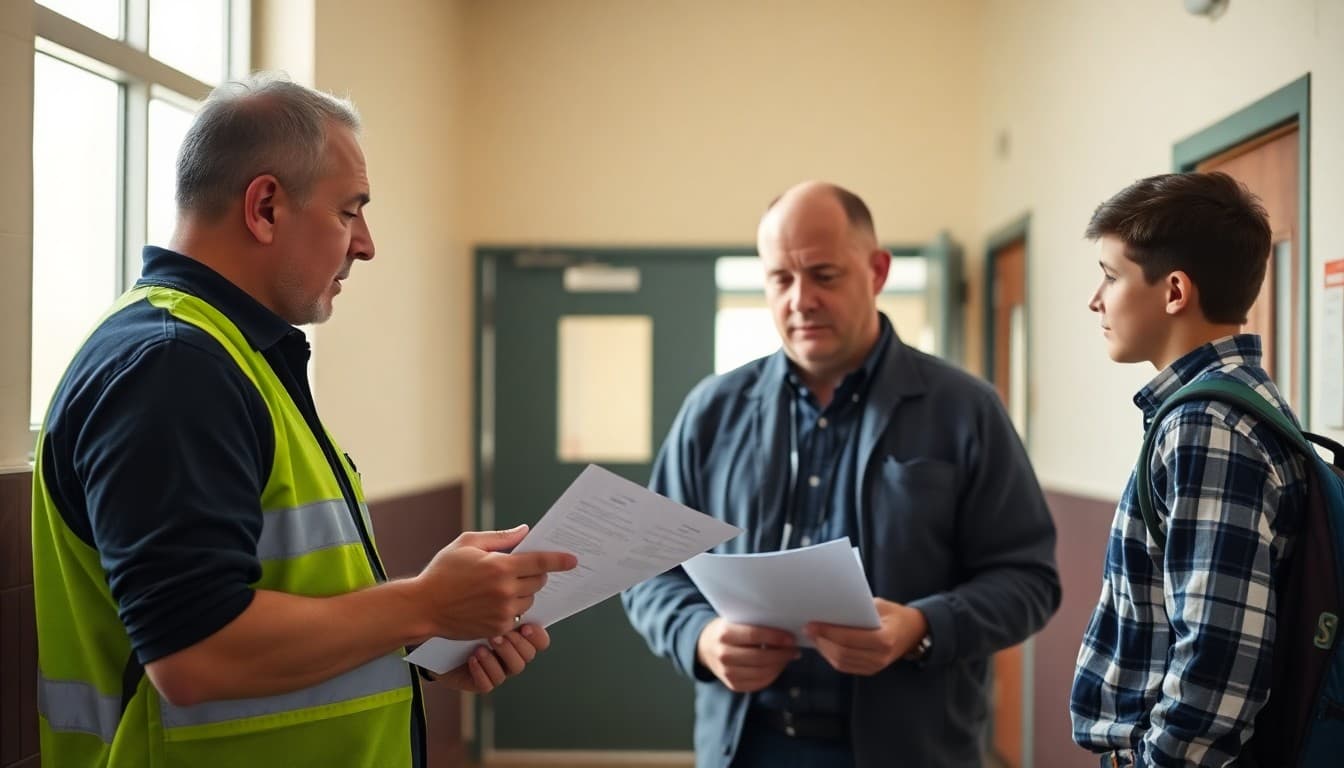
School Newsletter: Rodent Infestation Response Communication Template

A rodent infestation at school is the kind of news that sounds worse in a hallway conversation than in a written statement. A parent who hears "there were mice in the lunchroom" from their child processes that very differently from a parent who reads a clear newsletter that describes the situation, the health context, and the remediation plan. Write the newsletter. Control the narrative before the hallway conversation does.
Open with the facts and the timeline of discovery
"I am writing to inform our school community of a rodent issue that was identified at [School Name] on [date or over the past week]. Evidence of rodent activity was found in [general location: a storage closet near the cafeteria, the building's crawl space, classrooms in the west wing]. We became aware of the issue on [date] and immediately contacted a licensed pest control contractor." That opening is specific, honest, and gives families the timeline they need to understand when this began and how quickly the school responded.
Describe the health context without minimizing or exaggerating
"Rodent presence in a building can pose health risks through contact with droppings or nesting material. The specific risks associated with the type of rodent present [mice / rats] include [brief, accurate description]. Our pest control contractor has confirmed that [the affected areas are isolated / no food service areas were involved / the kitchen and cafeteria were inspected and cleared]. We are working with the district health office to ensure the remediation meets all health and safety requirements. If your student develops unusual symptoms in the next two weeks, please contact their pediatrician and mention the school's current situation."
Describe the remediation plan and timeline
"Our licensed pest control contractor began treatment on [date]. The remediation plan includes [specific measures: sealing entry points, placement of bait stations in non-student areas, deep cleaning of affected spaces, professional-grade disinfection of any areas where rodent activity was found]. All treatment is being conducted after school hours to avoid student exposure to any chemicals used. The treatment will continue through [date]. A follow-up inspection is scheduled for [date] to confirm that the remediation was effective."
State whether the school is open and which areas are restricted
"School will remain open during the remediation. The following areas are currently restricted to students until the treatment is confirmed complete: [list of areas]. All other areas of the school have been inspected and cleared. If the situation changes and any additional areas need to be restricted, we will notify affected families immediately." If the school is closed for any period, state that at the top of the newsletter, not buried in a later section.

Describe any changes to cafeteria operations
If food service is affected, be specific and give a timeline. "Out of an abundance of caution, the cafeteria kitchen is being temporarily closed for professional sanitation. During this period, hot lunch will not be available. Students should bring a bag lunch on [specific dates]. The cafeteria is expected to reopen for normal operations on [date] after a final health inspection. Families who qualify for free or reduced lunch will receive a bag lunch from the front office on each affected day."
Note the prevention measures being implemented going forward
"Following the remediation, we will implement the following measures to prevent recurrence: Monthly pest control inspections, sealed food storage in all food service and classroom areas, an audit of building entry points and seals, and a new protocol for immediate reporting of any future rodent sightings by custodial staff. We are also reviewing the sanitation schedule for food storage areas with our district facilities team."
Close with your contact and the follow-up update timeline
"I will send a follow-up newsletter when the remediation is confirmed complete and all restricted areas have been cleared. If you have questions in the meantime, please contact me at [email]. Thank you for your patience as we resolve this situation."
Get one newsletter idea every week.
Free. For teachers. No spam.
Frequently asked questions
Does a school need to notify families about a rodent problem?
A school should notify families when the rodent presence is significant enough to affect student health or when it is visible to students and already generating concern or discussion. A single mouse trap found by a custodian and removed before any student contact typically does not require a family-wide communication. Repeated sightings, evidence of rodent activity in food service or cafeteria areas, confirmed signs of nesting in classrooms, or any situation where students have directly encountered rodents warrants a proactive newsletter.
What health information should a school include in a rodent infestation communication?
The communication should acknowledge the potential health concern, describe the specific risks relevant to the situation (for mice and rats, the primary concern is hantavirus from dried droppings and leptospirosis, though both are extremely rare), explain the steps being taken to eliminate the health risk, and advise families to watch for any signs of illness in their student while the remediation is underway. Do not dismiss the health concern as nothing to worry about, but also do not overstate the risk. The vast majority of rodent encounters in school buildings do not result in student illness.
How do you communicate a rodent problem in a cafeteria specifically?
A rodent issue in the cafeteria or kitchen requires a more urgent communication because it involves the food supply. State clearly that the affected food service area is temporarily closed or operating under modified procedures. Explain what is being done to address the problem and what the sanitation and pest control steps are. Give families an estimated timeline for when food service will return to normal. If students need to bring lunch for a period of time, say so clearly and give a specific date range.
Should a school close during a rodent remediation?
A school typically does not need to close for rodent remediation unless the infestation is severe, widespread, or involves an area that cannot be safely worked around during the school day. Most pest control treatments can be conducted after school hours. However, if the remediation involves pesticides that require ventilation time, the affected areas should be closed to students for the specified period indicated by the pest control contractor. The newsletter should state clearly whether the school is open and whether any areas are restricted.
Can Daystage help schools communicate pest and health situations to families?
Yes. A rodent infestation communication requires a careful balance of honesty and measured tone. Daystage gives you a clean format to present the facts, the health information, and the remediation plan in clearly organized sections. Schools that communicate these situations through a professional newsletter format report less community panic than schools that send informal all-school emails or rely on word of mouth from custodial staff.

Adi Ackerman
Author
Adi Ackerman is a former classroom teacher and curriculum writer with 8 years in K-8 schools. She writes about school communication, parent engagement, and what actually works in real classrooms.
More for Guides
Ready to send your first newsletter?
3 newsletters free. No credit card. First one ready in under 5 minutes.
Get started free