
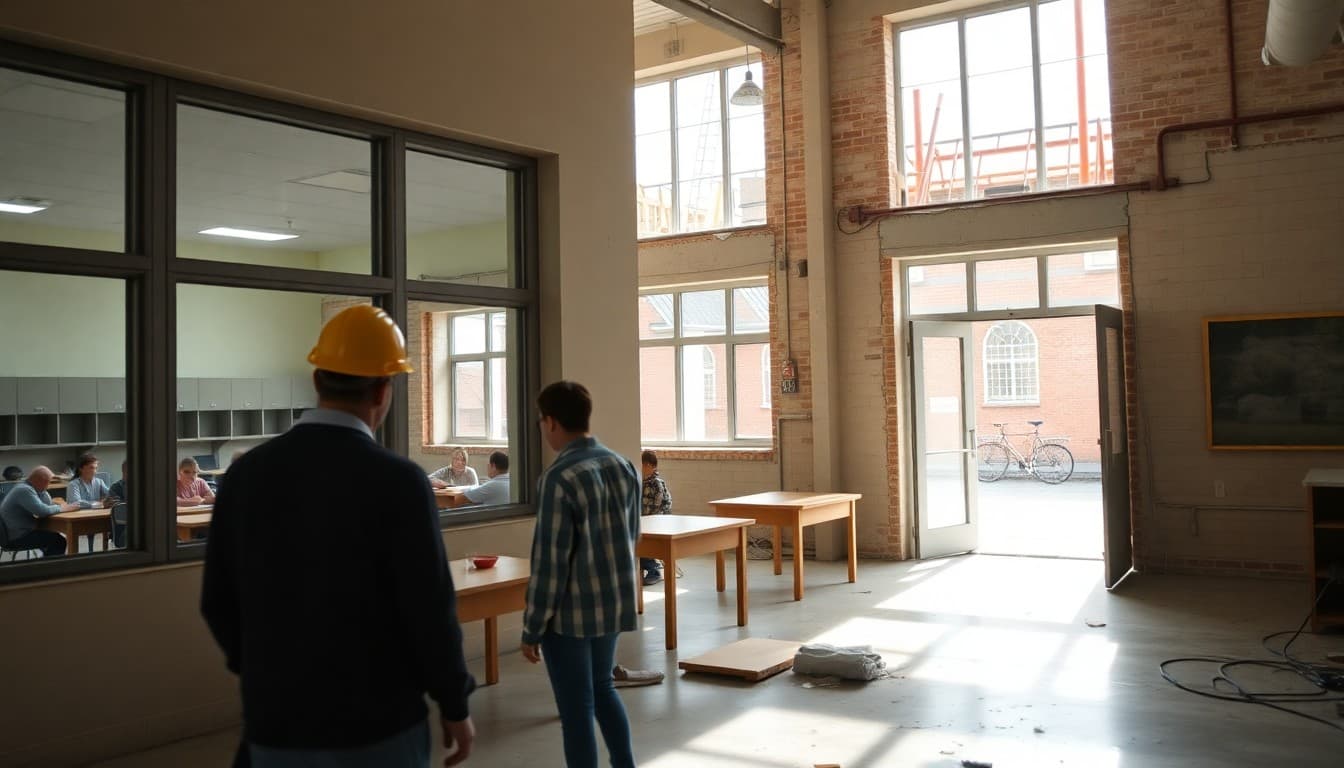
School Newsletter: Construction Noise and Disruption Update Template
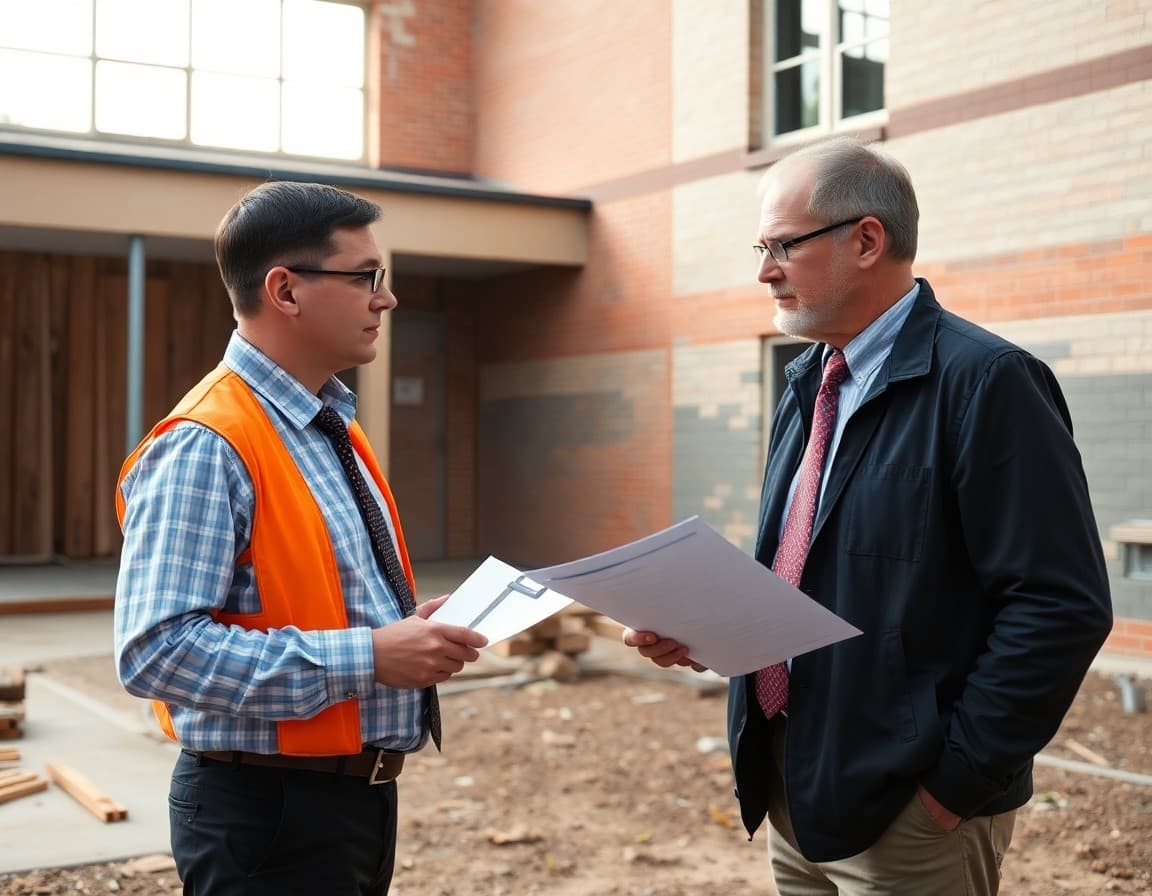
Construction near or on school grounds creates real disruption that families deserve advance notice about. A newsletter sent before the noise starts sets expectations. A newsletter sent during an active project that has been going on for weeks without communication patches a failure. The templates below cover both scenarios, but the goal is always the first one: communicate before the disruption begins.
Describe the project clearly and frame it as an investment
"Beginning [date], [School Name] will begin construction on [project description: a new gymnasium addition, renovation of the north wing classrooms, replacement of the HVAC system]. This project was funded through [bond measure / district capital improvement budget / federal grant] and represents a significant investment in our school's infrastructure. The completed project will [brief description of benefit: provide modern classroom spaces for 200 additional students, reduce energy costs by an estimated $40,000 per year, add a dedicated cafeteria]." Framing the construction as an investment helps families accept the disruption as worth it rather than resenting it as an imposition.
Give a specific timeline with phases
Families need a map of what to expect and when. "The construction schedule is as follows: Phase 1 (site preparation and excavation): [date range]. This phase involves the most disruptive noise. Heavy equipment will operate Monday through Friday from 7:00 AM to 3:30 PM. Phase 2 (structural framing): [date range]. Less loud than Phase 1 but still intermittent noise throughout the school day. Phase 3 (interior work): [date range]. Construction continues but primarily inside the new structure. Noise is significantly reduced. Completion: [target date]." That level of detail lets families know that the worst phase is temporary and when it ends.
Describe the mitigation measures in place
Tell families what the school has done to protect instruction. "We have taken the following steps to reduce the impact of construction on learning: Classrooms closest to the construction zone have been temporarily relocated to [alternate spaces]. Scheduled assessments and testing windows have been coordinated with the contractor to avoid the noisiest work phases. Noise-sensitive instruction such as standardized testing and music performances has been scheduled during lower-noise periods. The contractor has agreed to suspend power tool use during the 10:00 AM to 12:00 PM block, which covers our primary literacy and math instruction periods."
Address drop-off and pickup changes
Construction often changes traffic patterns. Be specific. "Due to construction equipment staging in the main parking lot, the following changes to drop-off and pickup will be in effect starting [date]: Morning drop-off will move to [alternate location]. The circle will operate as follows: [specific instructions]. Afternoon pickup will also use the [alternate route]. We recommend adding 5 to 10 minutes to your afternoon pickup routine during the first two weeks as families adjust. A map of the updated traffic pattern is attached to this newsletter."

Name the safety measures in place for students
"The construction site is fully fenced and separated from all student areas. Students have no access to the construction zone. All construction workers on site have been background checked by the contractor. Construction zones will be inspected daily by school administration. If you notice any safety concern related to the construction, please contact [name] at [email] immediately."
Provide monthly update communications for long projects
For any project lasting more than one month, commit to regular updates. "We will send a construction update newsletter at the beginning of each month throughout the project. If significant changes to the schedule or scope occur, we will send an additional update at that time. You can also view the current construction timeline on the school website at [link], which is updated every two weeks." Regular updates prevent families from feeling in the dark about a significant change to their child's school environment.
Get one newsletter idea every week.
Free. For teachers. No spam.
Frequently asked questions
When should a school communicate about nearby construction to families?
Send a construction communication before the disruptive work begins, not after the first day of jackhammering. Families who receive advance notice about construction noise, altered traffic patterns, or restricted areas are more patient when the disruption actually occurs because they expected it. Same-day communication about construction that is already happening generates more frustration than communication sent a week in advance.
What should a school construction newsletter include?
The newsletter should include what is being constructed or renovated and why, the timeline including the expected start and end dates, which areas of the campus will be affected, how instruction will be managed during noisy or disruptive phases, any changes to drop-off or pickup due to construction traffic, safety measures the school and contractor have implemented, and how families can raise concerns if the disruption significantly affects their child's learning.
How do you explain construction disruption to parents of young children?
Be specific and direct about what students will experience. 'Students in the classrooms nearest to the construction site will hear intermittent loud noises during the hours of 9 AM to 2 PM when heavy equipment is operating. We have identified quieter periods for high-concentration work like testing and reading. Students who are particularly sensitive to loud or unexpected sounds have been seated in classrooms farther from the construction area.' Families of young children respond to that level of specificity far better than a general assurance that 'construction may cause some noise disruption.'
How do you address academic impact concerns during a construction project?
Address assessment and high-stakes learning directly. 'We have reviewed the construction schedule and coordinated with the contractor to schedule the noisiest work phases during times that do not conflict with scheduled assessments. State testing days are fully protected and no loud construction will occur on those days. If unavoidable noise occurs during an assessment, affected classrooms will move to an alternate testing location.' Families who worry about test scores during construction need to hear that the school thought about this specifically.
Can Daystage help schools communicate ongoing construction updates to families?
Daystage works well for ongoing construction communications because you can build a template newsletter with the project basics and update the status section each month. Families who receive a consistent monthly update about construction progress feel informed and are less likely to call the main office with questions about the timeline. A construction project that runs for six months benefits from six newsletters, not one initial announcement and five months of silence.

Adi Ackerman
Author
Adi Ackerman is a former classroom teacher and curriculum writer with 8 years in K-8 schools. She writes about school communication, parent engagement, and what actually works in real classrooms.
More for Guides
Ready to send your first newsletter?
3 newsletters free. No credit card. First one ready in under 5 minutes.
Get started free