
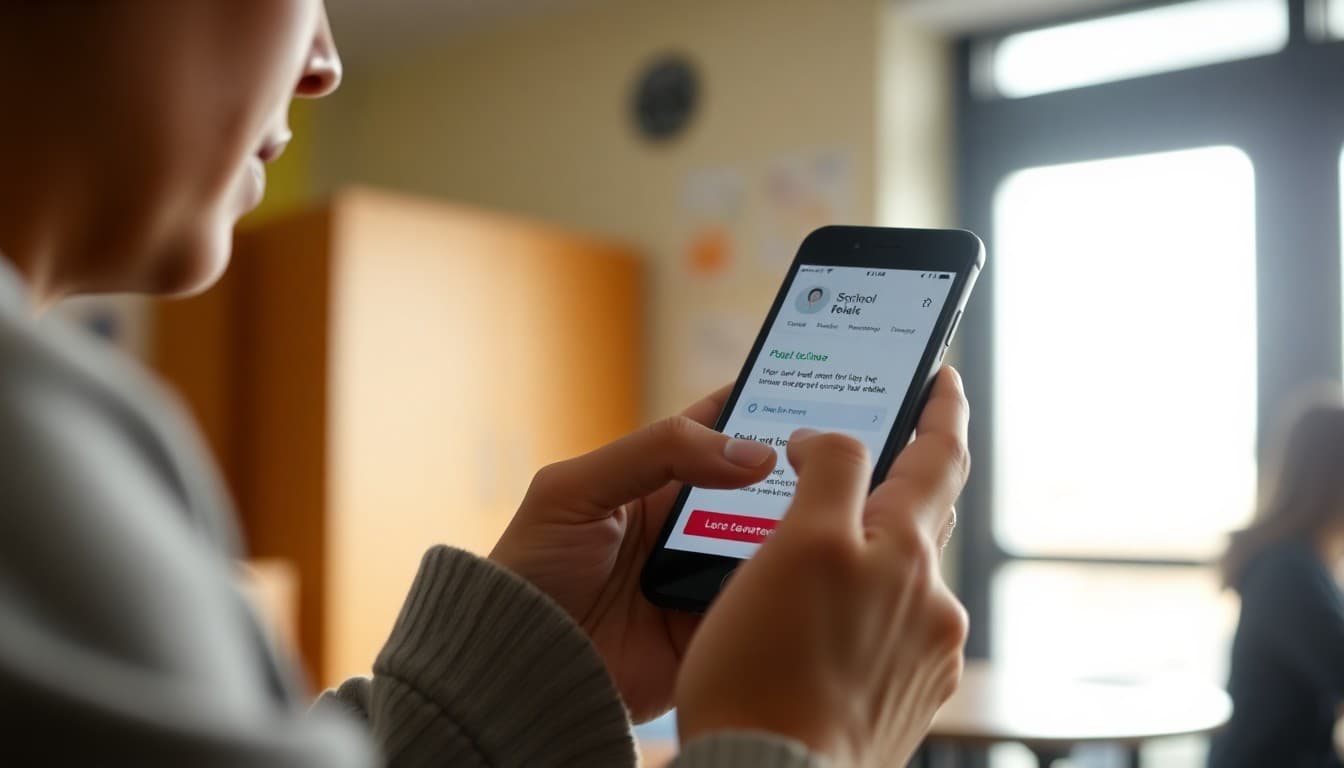
Interactive Elements in Your School Newsletter: What Works
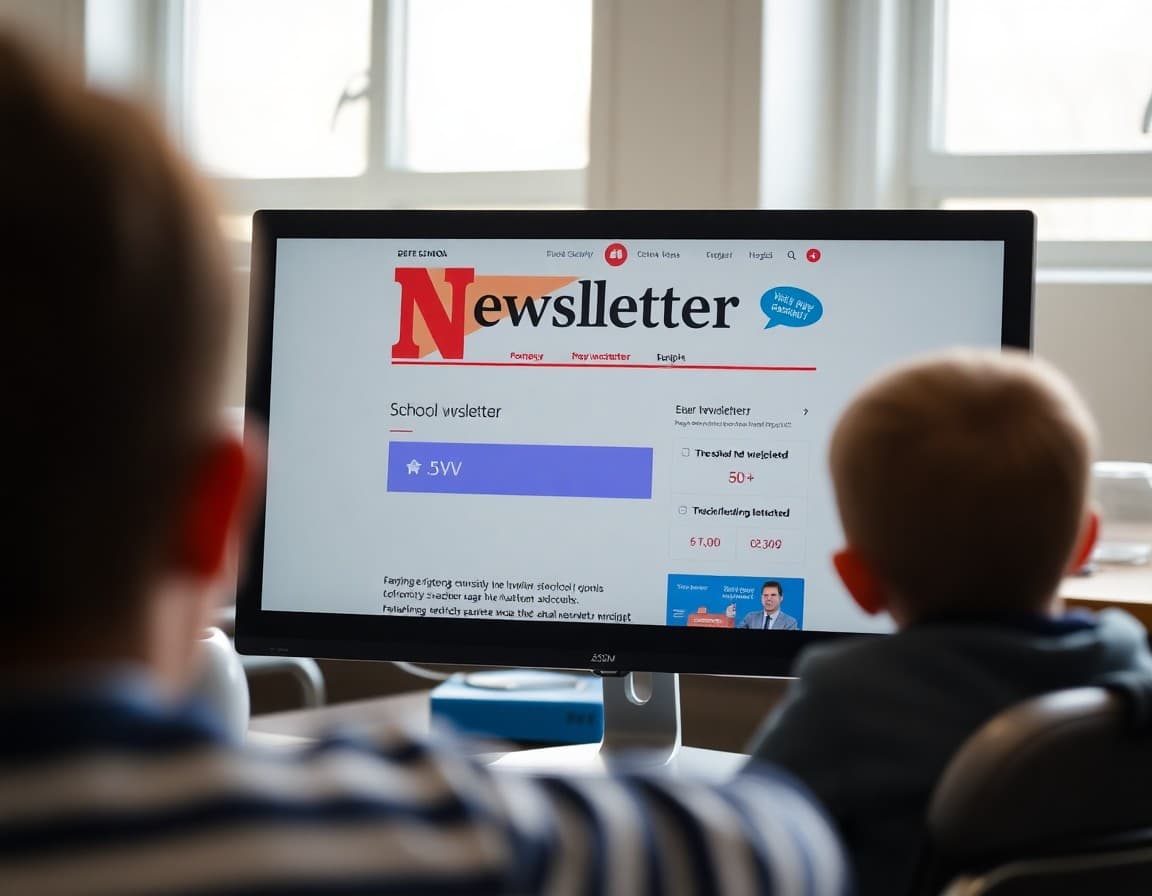
Most school newsletters are read passively. A parent opens it, skims the dates, and moves on. Interactive elements change that pattern. When a newsletter asks parents to respond to a quick poll or RSVP to an event inline, it turns a passive read into an active moment. Done well, interactive elements increase engagement. Done poorly, they create confusion and lower the read rate on the surrounding content.
The Rule for Interactive Elements
Every interactive element should require one action and take under 30 seconds to complete. That is the threshold between something parents do in the moment and something they intend to come back to but never do. An RSVP button that opens a one-question confirmation clears the bar. A link to a five-page permission packet does not. Design for the parent reading on a phone between two other tasks.
RSVP Forms for Events
RSVP forms are the most useful interactive element for most school newsletters. Families are already in the habit of responding to event invitations digitally. An inline RSVP for the school play or the parent curriculum night removes the friction of finding and navigating to a separate form. The RSVP should confirm immediately and give the parent a summary of what they responded. Missing either of those feedback signals leads to duplicate responses.
Polls for Low-Stakes Decisions
Single-question polls work well when parents have genuine input on the outcome. Voting for the class pet name, choosing between two field trip locations, or picking the theme for the end-of-year event all give parents a reason to respond. Keep the question simple and the choices to two or three options. Show the running results after voting so parents feel their input registered. Do not run polls on decisions that have already been made.
Call-to-Action Buttons
A well-placed button turns a newsletter item that requires action into an item that gets acted on. "Sign up by Thursday" as a text link gets lower click rates than a button labeled "Reserve your spot." The button signals priority and provides a clear starting point. Use one primary button per newsletter, maximum two. When every item has a button, nothing stands out.
Survey Links for Longer Feedback
If you need more detailed parent input than a single poll question, a link to an external survey is the right approach. Keep the survey to five questions or fewer and tell parents how long it will take: "This takes about two minutes." Set a clear deadline. Send a reminder in the following newsletter with how many responses you have received so far. Transparency about participation increases completion rates.
What Does Not Work in School Newsletters
Embedded contact forms inside newsletters get low completion rates because they feel like a lot of friction compared to the value of the ask. Auto-playing video or audio creates a negative experience on mobile. Scrolling banners and animation distract from the content and load slowly on older devices. Anything that requires parents to log in before interacting will lose most of your audience before the interaction starts.
Testing Interactive Elements Before Sending
Always test interactive elements by completing them yourself before the newsletter goes to families. Click the RSVP button and confirm it works. Vote in the poll and verify the response registers. Test the button link. An interactive element that is broken when families try to use it is worse than no interactive element at all. It creates confusion, drives follow-up emails, and damages trust in the newsletter.
Get one newsletter idea every week.
Free. For teachers. No spam.
Frequently asked questions
What interactive elements work best in school newsletters?
RSVP forms for events, single-question polls, and clearly labeled call-to-action buttons produce the most consistent engagement. These work because they ask for one specific action with low effort. Multi-step forms, surveys with more than five questions, and interactive elements that require account creation rarely get completed by busy parents.
Can polls in school newsletters improve parent engagement?
Yes, when used selectively. A poll asking parents to vote on the class auction theme or the family fun night activity gets responses because the stakes feel low and the topic is relatable. A poll asking for feedback on curriculum delivery gets lower engagement because parents feel unqualified to answer. Use polls for decisions that parents can participate in meaningfully.
Should every newsletter have a call-to-action button?
Not necessarily. If a newsletter has no required action from parents, adding a button for the sake of it creates confusion. Buttons work best when there is a clear, time-sensitive action: sign up for this event, pay for this trip, respond to this survey by Friday. When the action is optional or vague, a text link is enough.
Do interactive elements work in email newsletters?
Some do and some do not. Email clients have inconsistent support for interactive features. Buttons and links work universally. Inline polls that display without clicking a link work in some clients but not others. Embedded forms work in newsletter-specific platforms but not in standard email. If you send newsletters as emails, test interactive elements before relying on them.
How does Daystage support interactive elements in school newsletters?
Daystage includes a built-in RSVP block for events, a button block for call-to-action links, and a poll block on paid plans. The RSVP block collects responses directly in the newsletter and can notify you by email when a new guest responds. These elements work on both the web version of the newsletter and the email send.

Adi Ackerman
Author
Adi Ackerman is a former classroom teacher and curriculum writer with 8 years in K-8 schools. She writes about school communication, parent engagement, and what actually works in real classrooms.
More for Guides
Ready to send your first newsletter?
3 newsletters free. No credit card. First one ready in under 5 minutes.
Get started free